
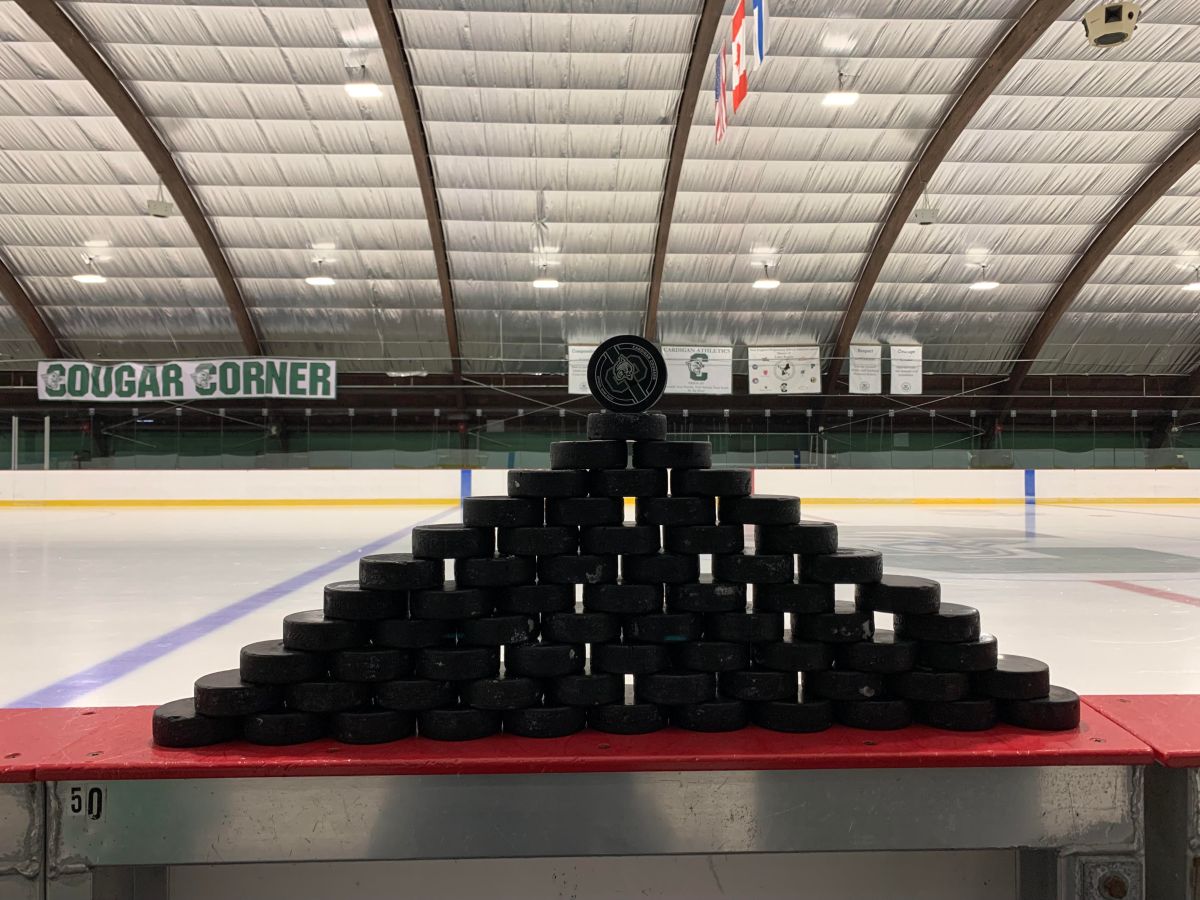
Last Wednesday night, I may have skated my last.
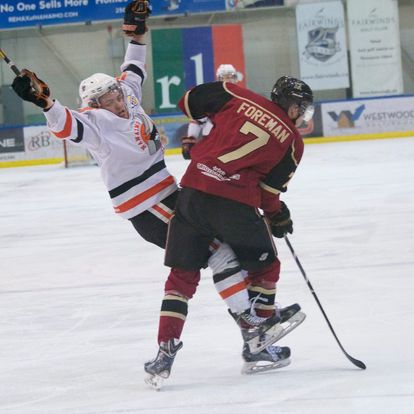
It had been over nine months since I played in one of our weekly faculty pick-up games, and I was looking forward to a new season of friendly competition, gentle trash-talking, and good sweats. Last February, a collision mid-ice with a large man did something weird to my hip, and I left that game and season early to heal.
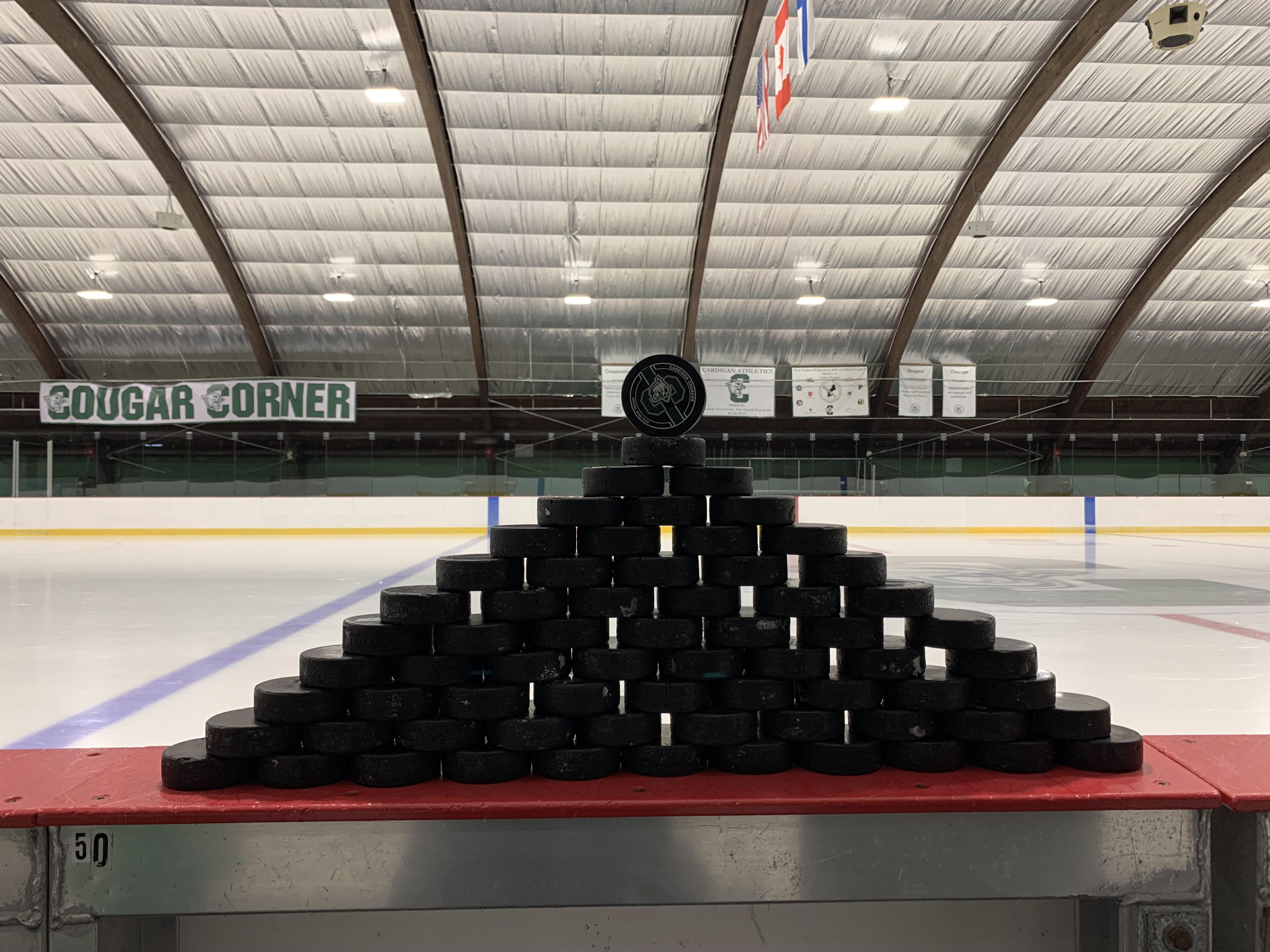
I had thought enough time had passed to try again this year, and with stubborn hope I aired out the gear, taped the sticks, and headed over to the rink. Things seemed to be holding together, though my leg did feel like the only thing attaching it to my hip socket was a wet noodle. Favoring that side helped for a while, but a sudden stop in front of the net exploded the area even worse than the year before, and I limped off once again, depressed and defeated.
I don’t know if one can fix a hip.
Although I thought the rest and rehab I had been doing since the original injury was working, the truth is that joint has ached and hitched ever since, sometimes catching me off guard with alarming ferocity. Time with my beloved chiro takes the edge off, but absent some invasive surgery, it appears I am stuck with what I’ve got: the death of hockey.
I suppose trying to deny aging is at fault, as in my mind’s eye I picture myself doing the same things at 62 that I did at 16.

It’s just no longer possible, and I’m looking for a way to make it okay.
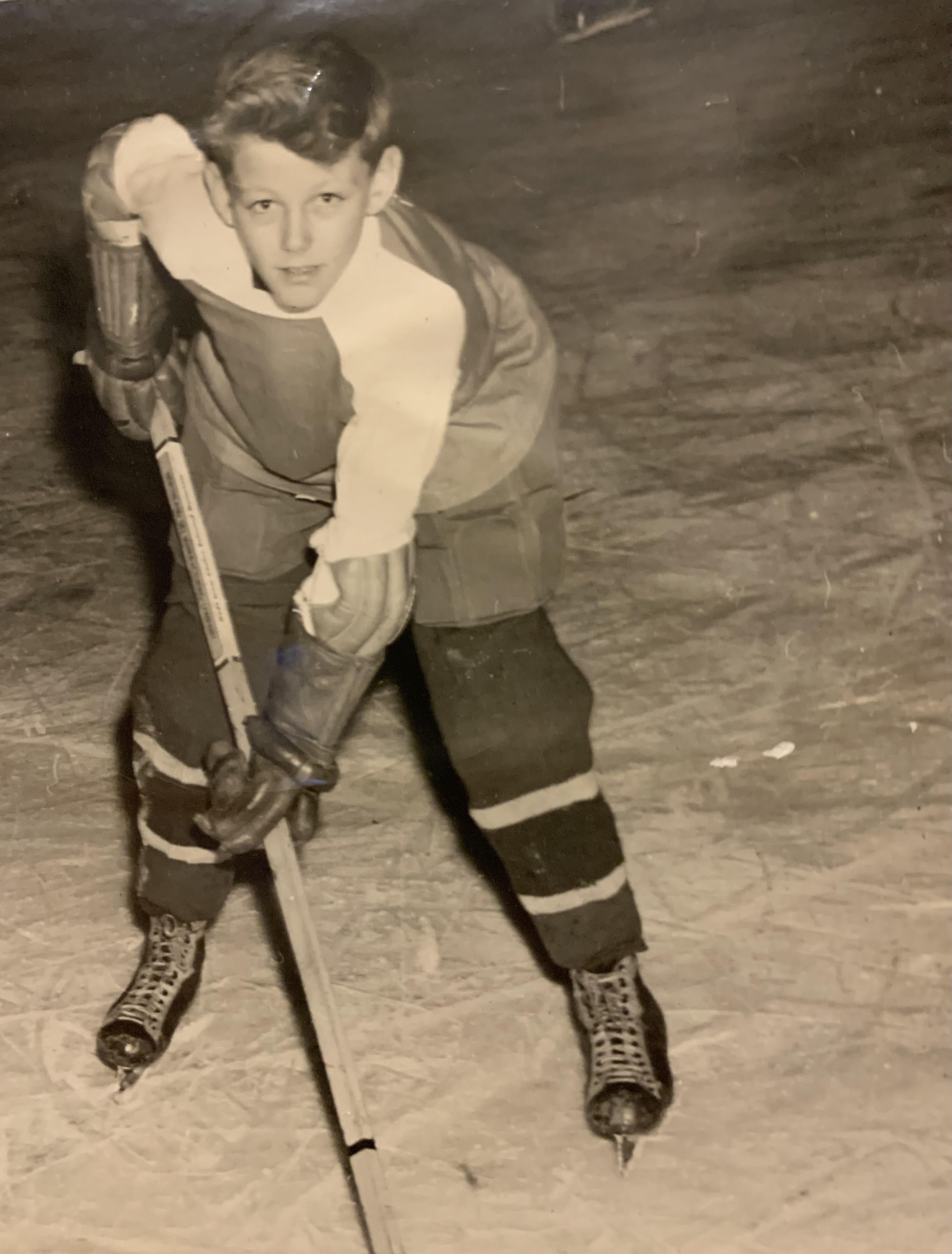
Hockey has been a part of my life for forever. Growing up, my father regaled us with stories of being part of the first PeeWee hockey team in the US. Though frequently prone to hyperbole, I’d like to think this claim of his is true.
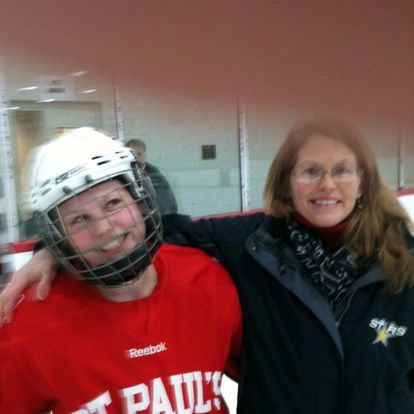
Hockey defined me through high school, college, and beyond; in an age where Title IV was just starting to level the playing field for female athletes, I joyed in being part of the revolution in a sport few women had yet to discover.
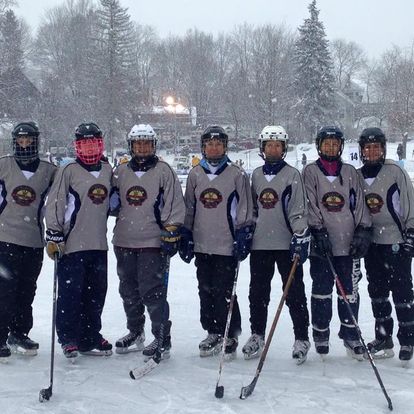
I taught and coached my kids, watched them compete all the way up to the beer leagues (I know, I know. But trust me – I wasn’t the only parent in the stands).
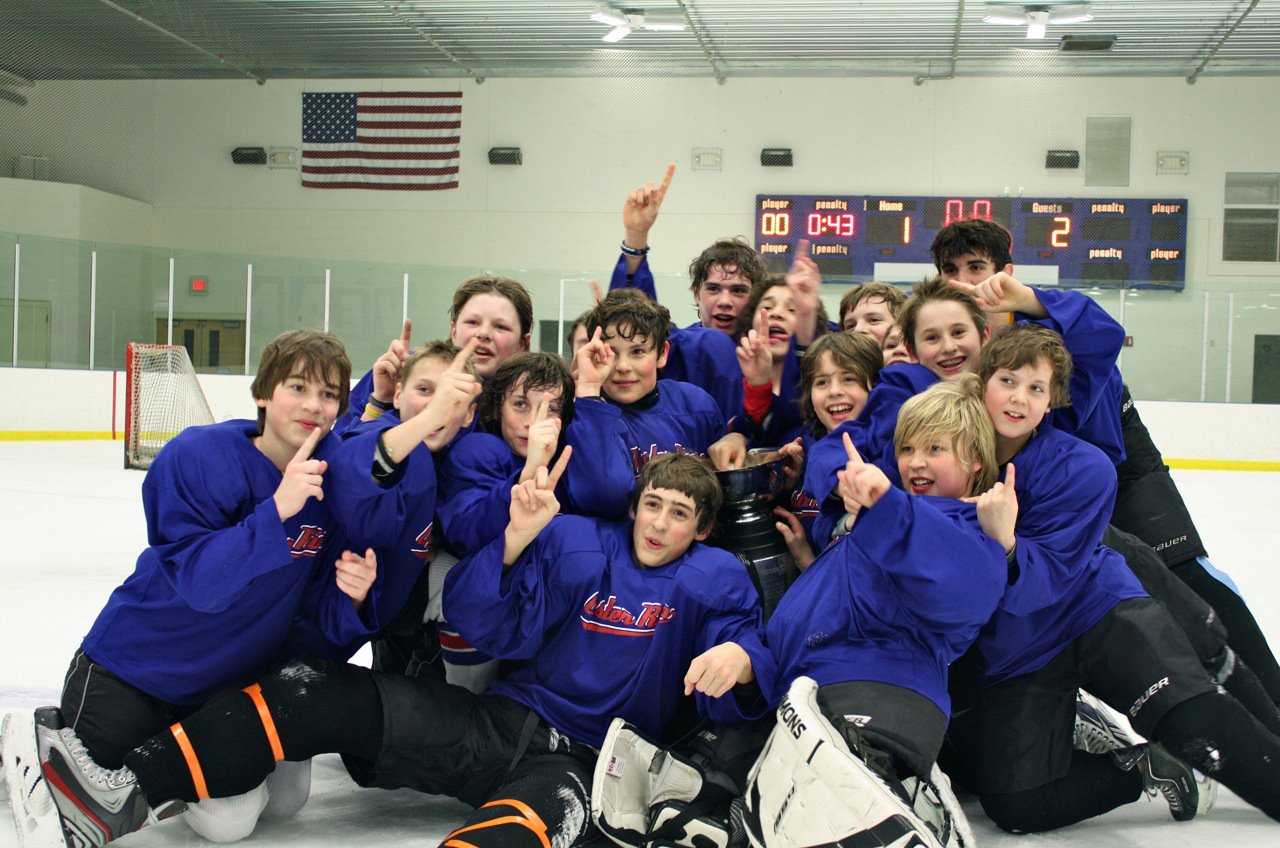
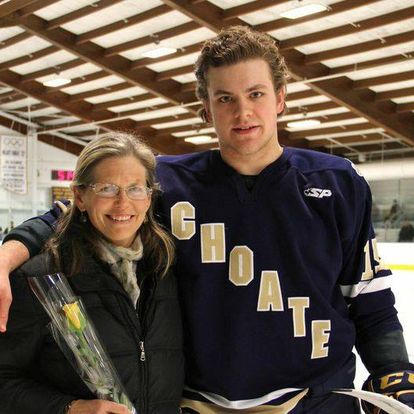
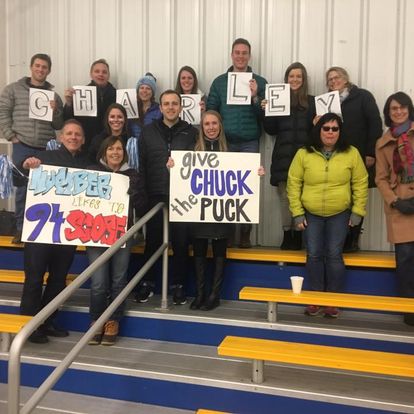
When our oldest son died, a yearly Christmas skate in his honor helped us to grieve and remember.
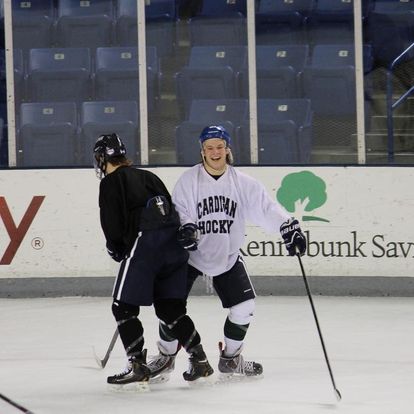
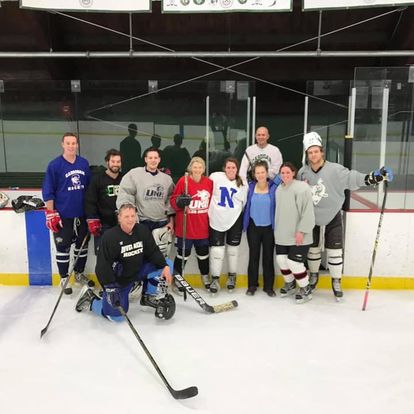
Hockey was the constant, a steady diet of contests and training, travel and fraternity, victories and defeats.

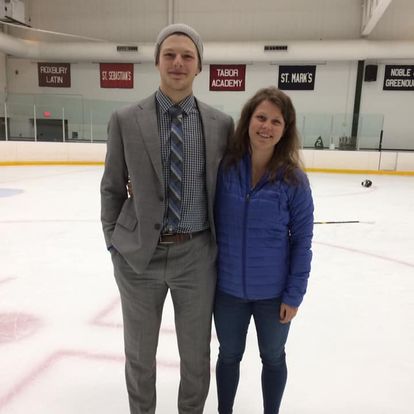
So what now?
Eugene Peterson writes in The Message that the way we conceive the future sculpts the present. If our sense of the future is weak, we tend to live listlessly.
So what is the breaking down of one’s body in the light of eternity? Or the loss of hockey, this beautiful game I love? I think the only answer is to live forward.
I cannot change what has already been. 50 years is a long time, and I feel blessed to have played as long as I have.
There is so much life left to live here, and beyond: my hope remains stubborn.
I know there are other losses ahead, but victory, the ultimate win, is as sure as the promise: And if I go and prepare a place for you, I will come back and take you to be with me that you also may be where I am” (John 14:3).
 walkwithme413