The Necessity of Clouds

About a week ago, I saw a window between duty and the many appointments dealing with my injury.

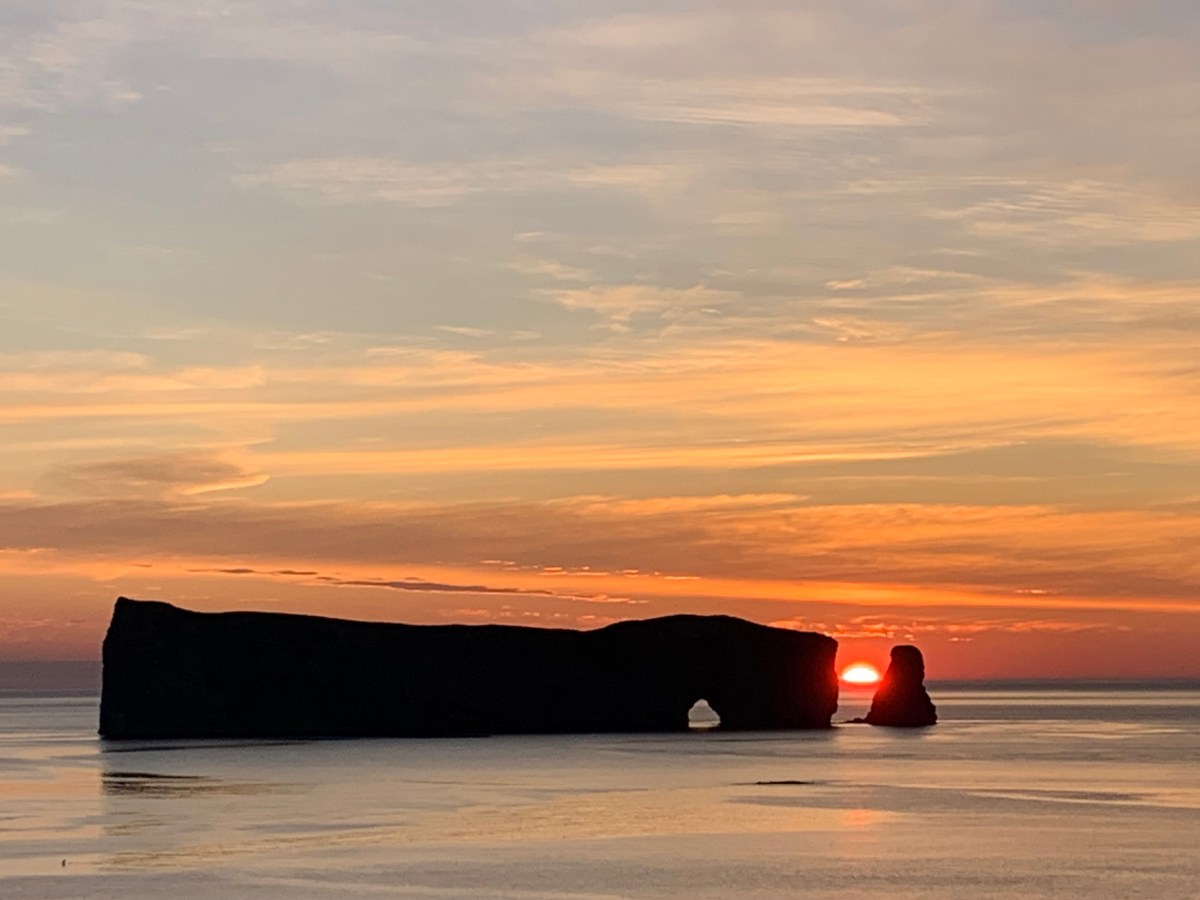
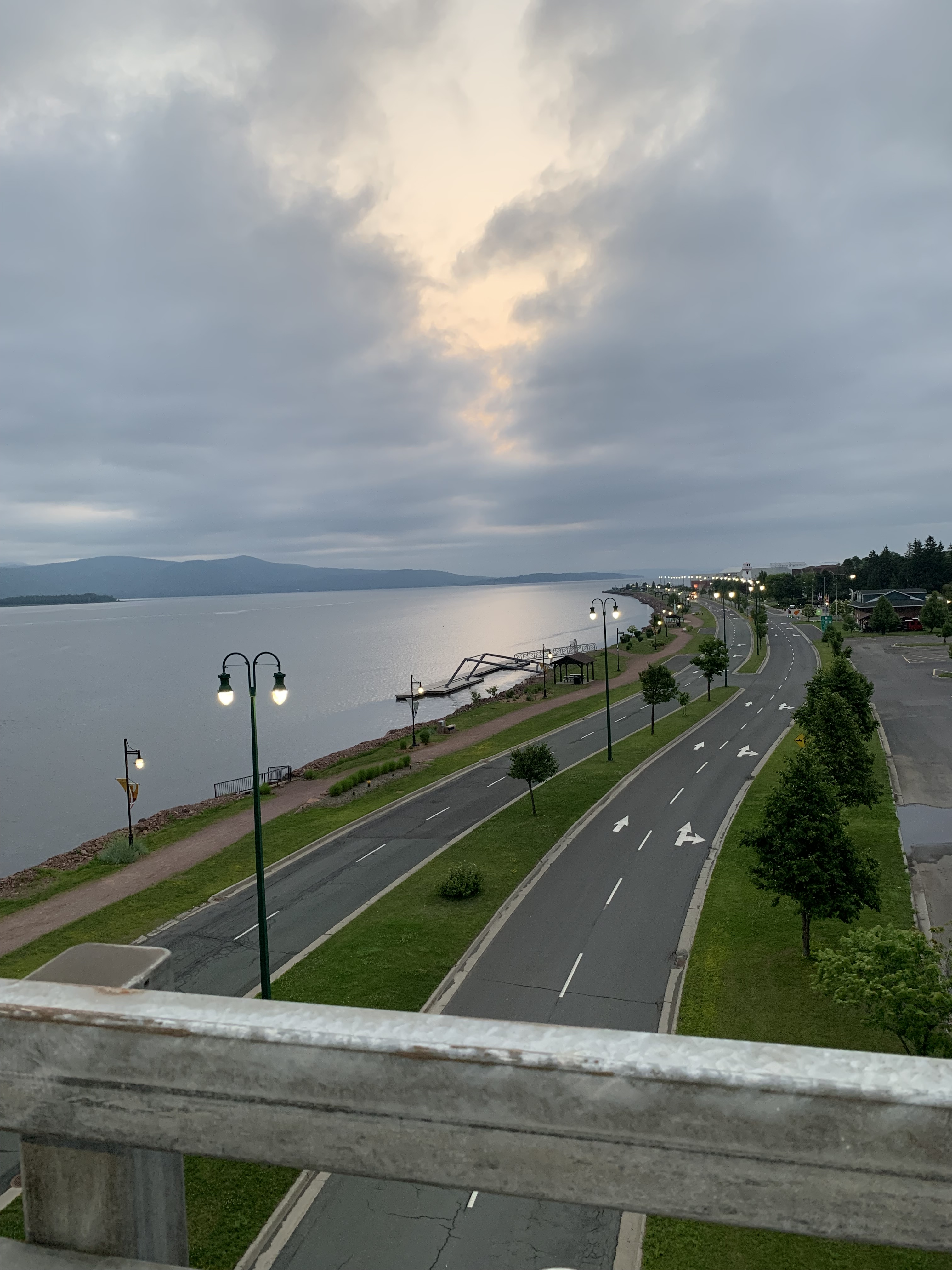
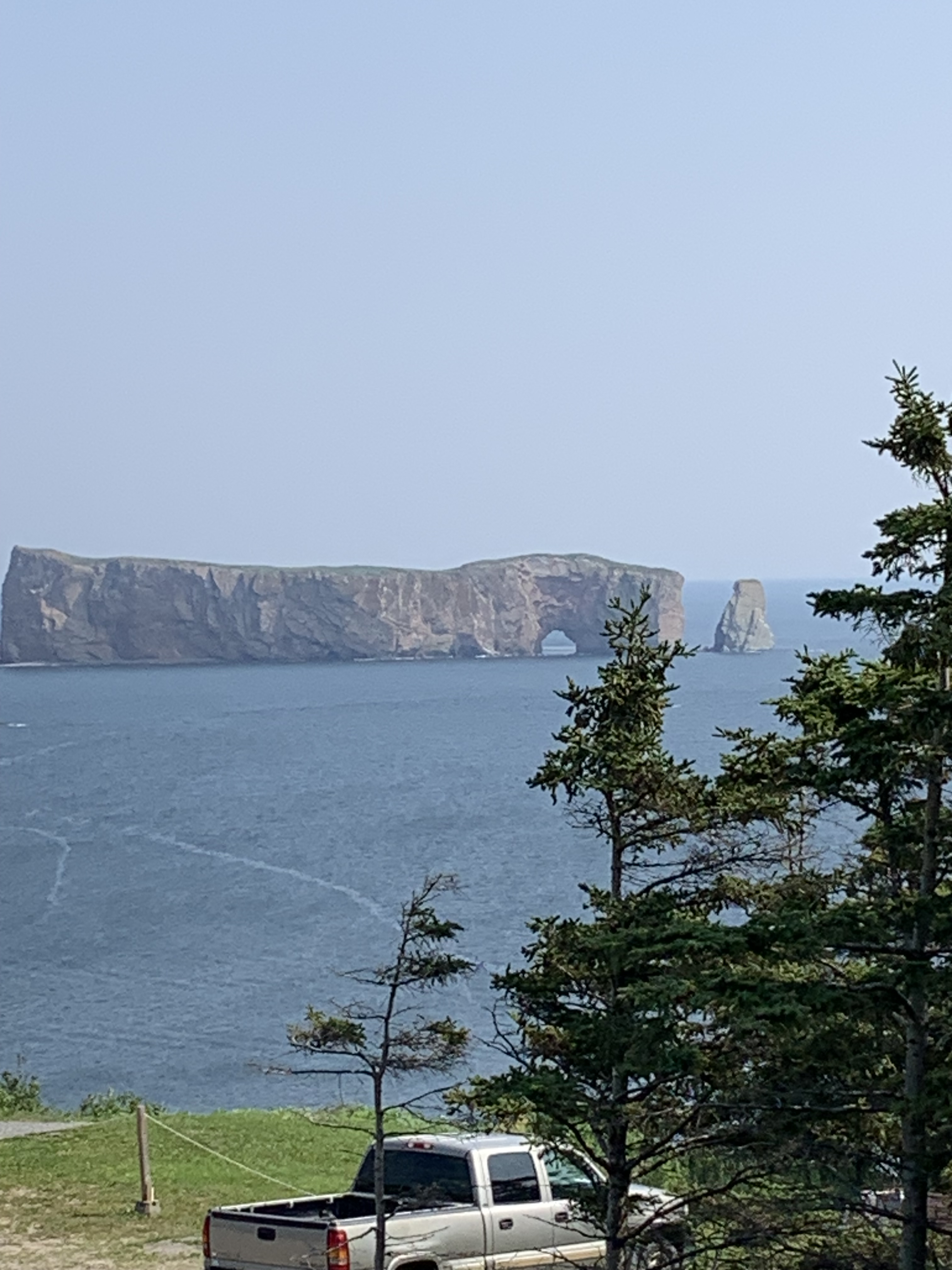
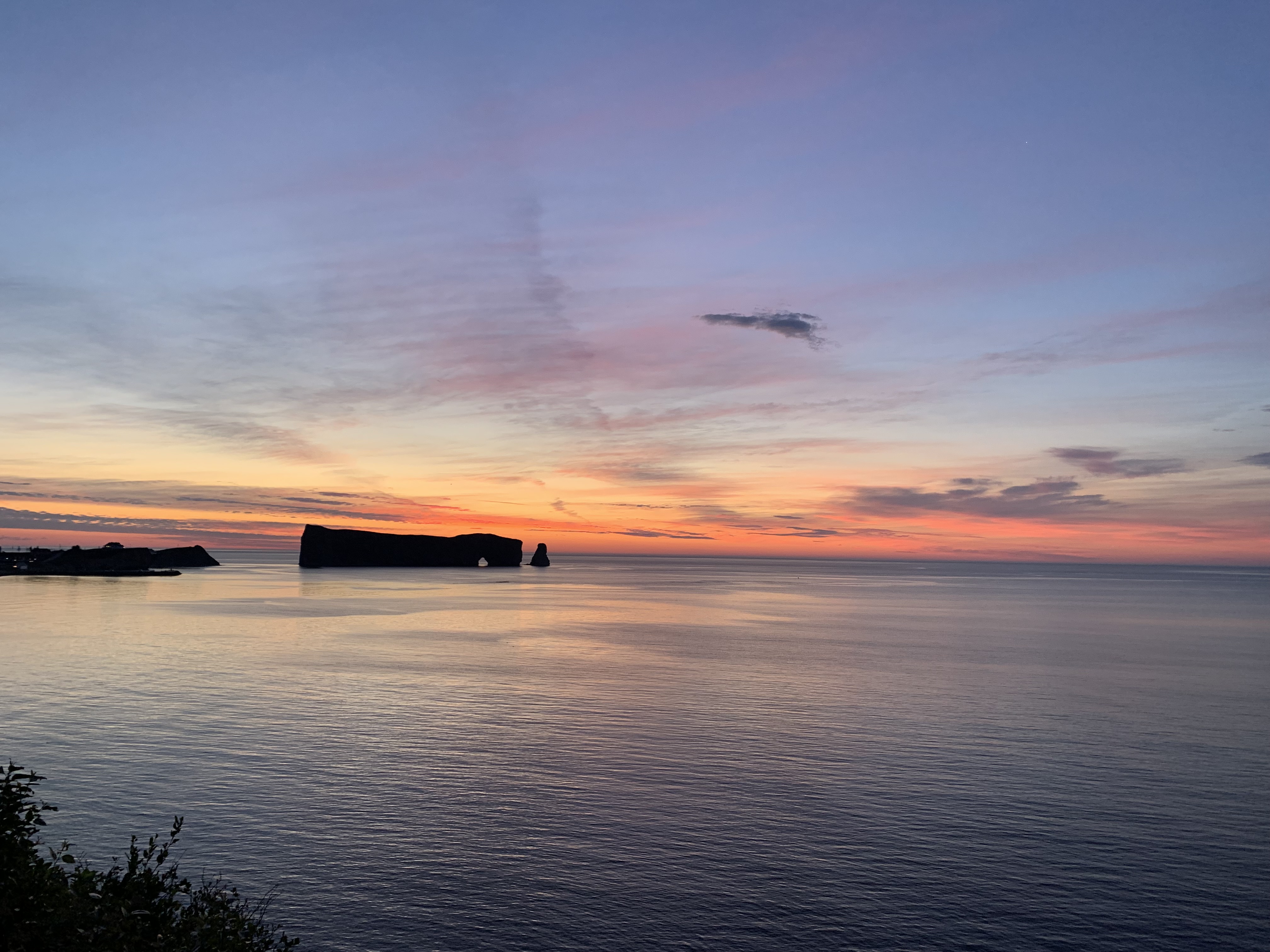
Impulsively, I packed up the car and set out early one morning to drive to the Gaspe Peninsula, a place I’ve long wanted to explore.

I’m so glad I did. So much beauty packed onto one spit of land, it wasn’t possible to see it all in one short week.

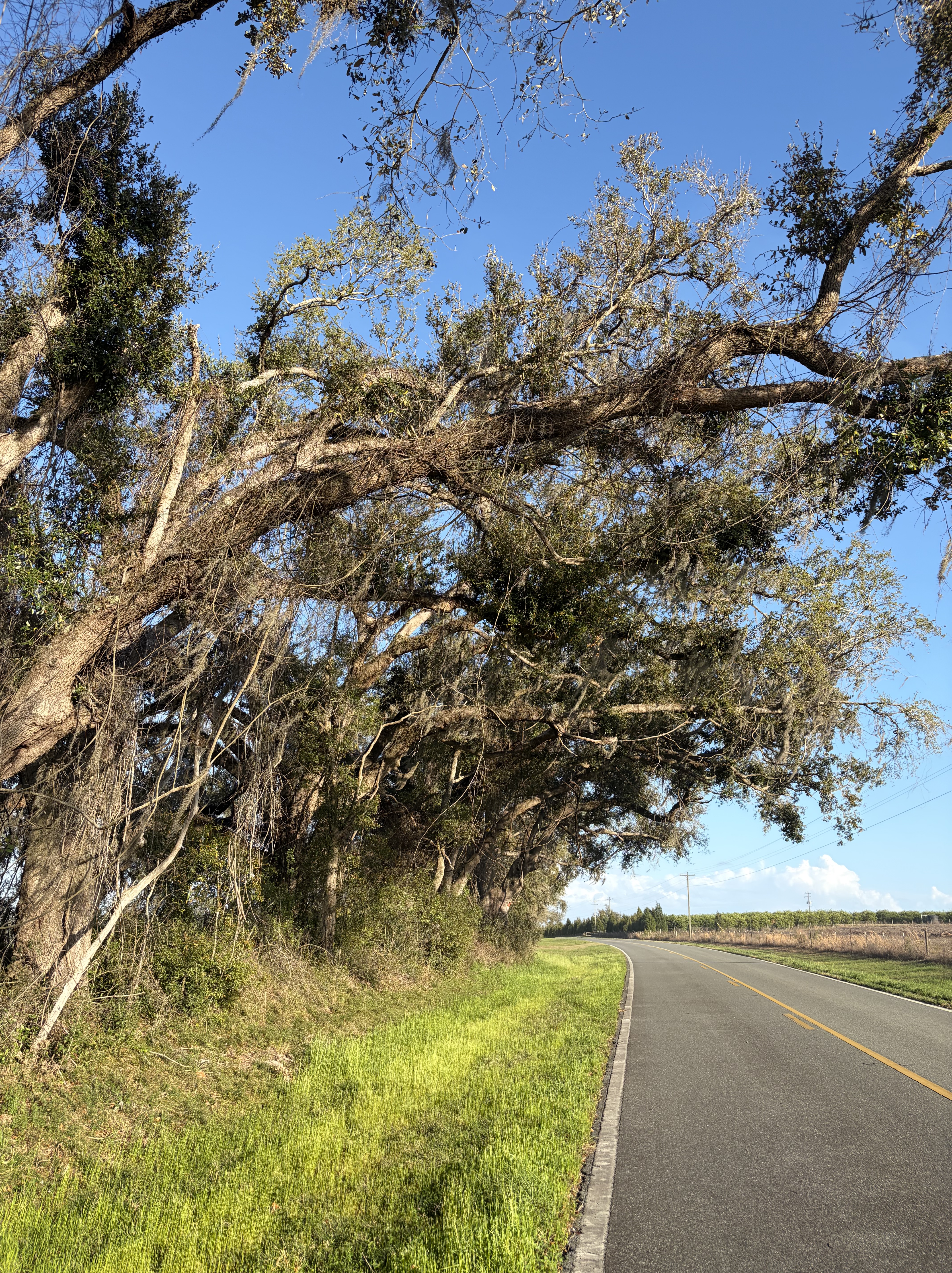
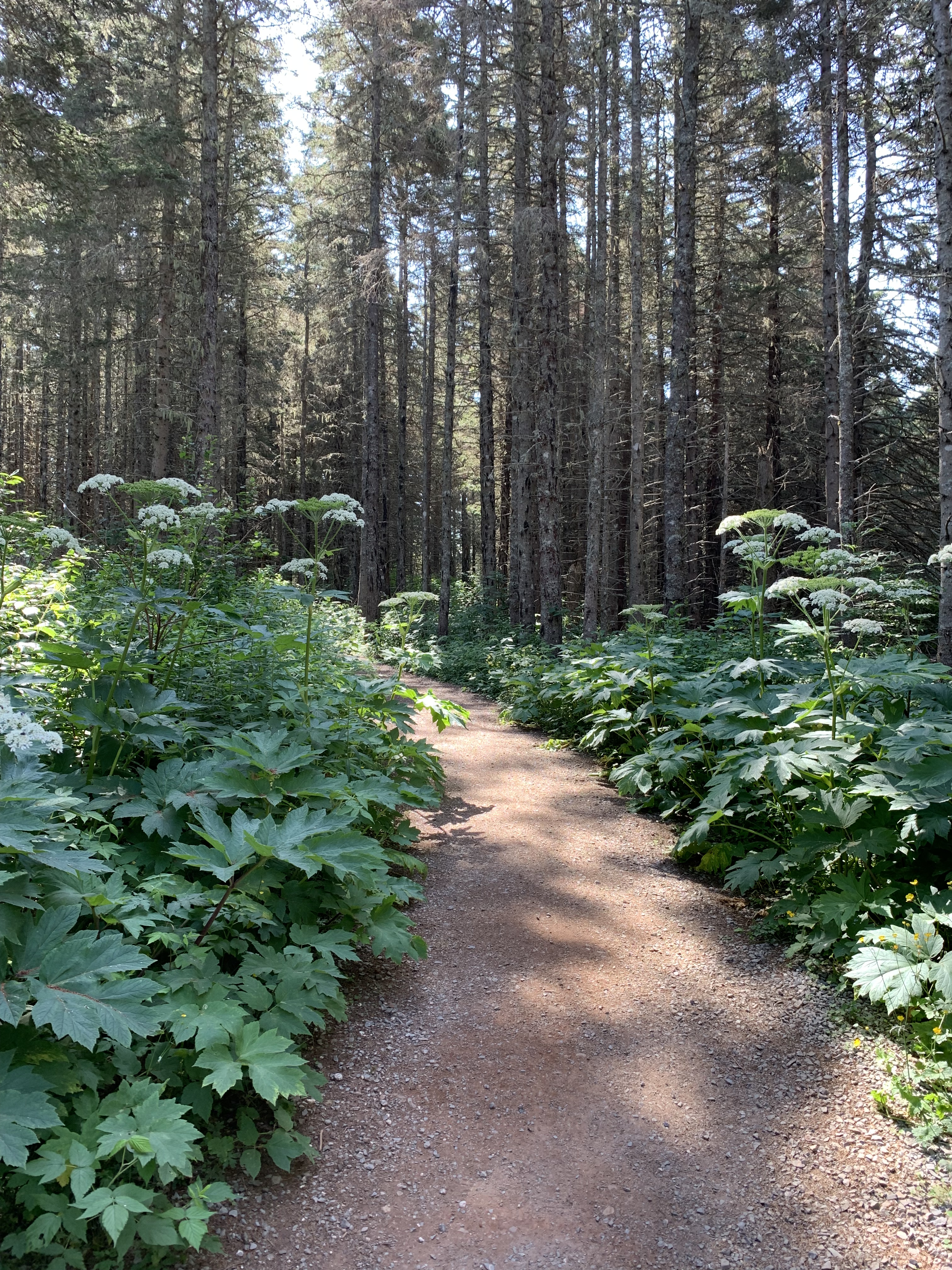
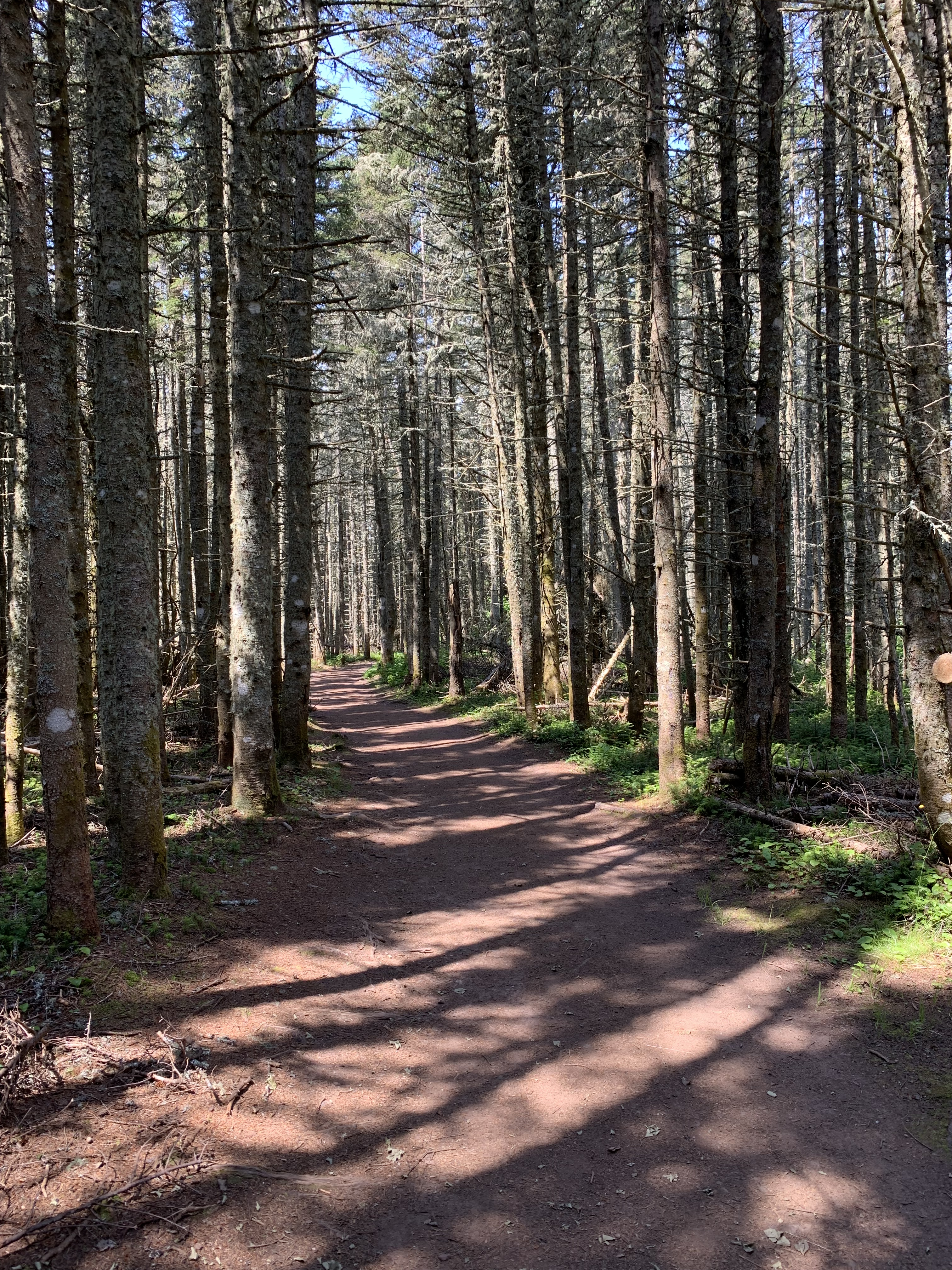
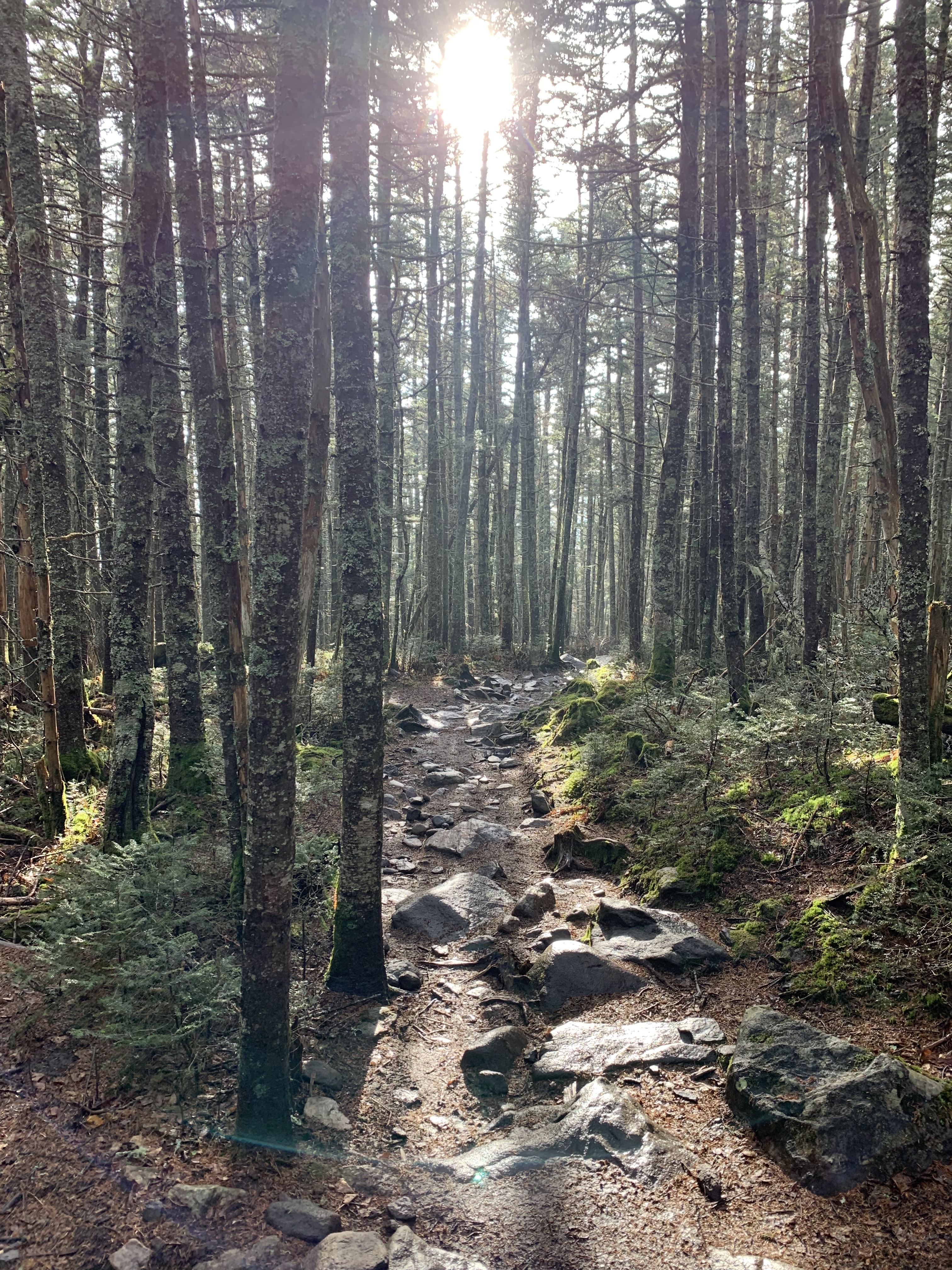
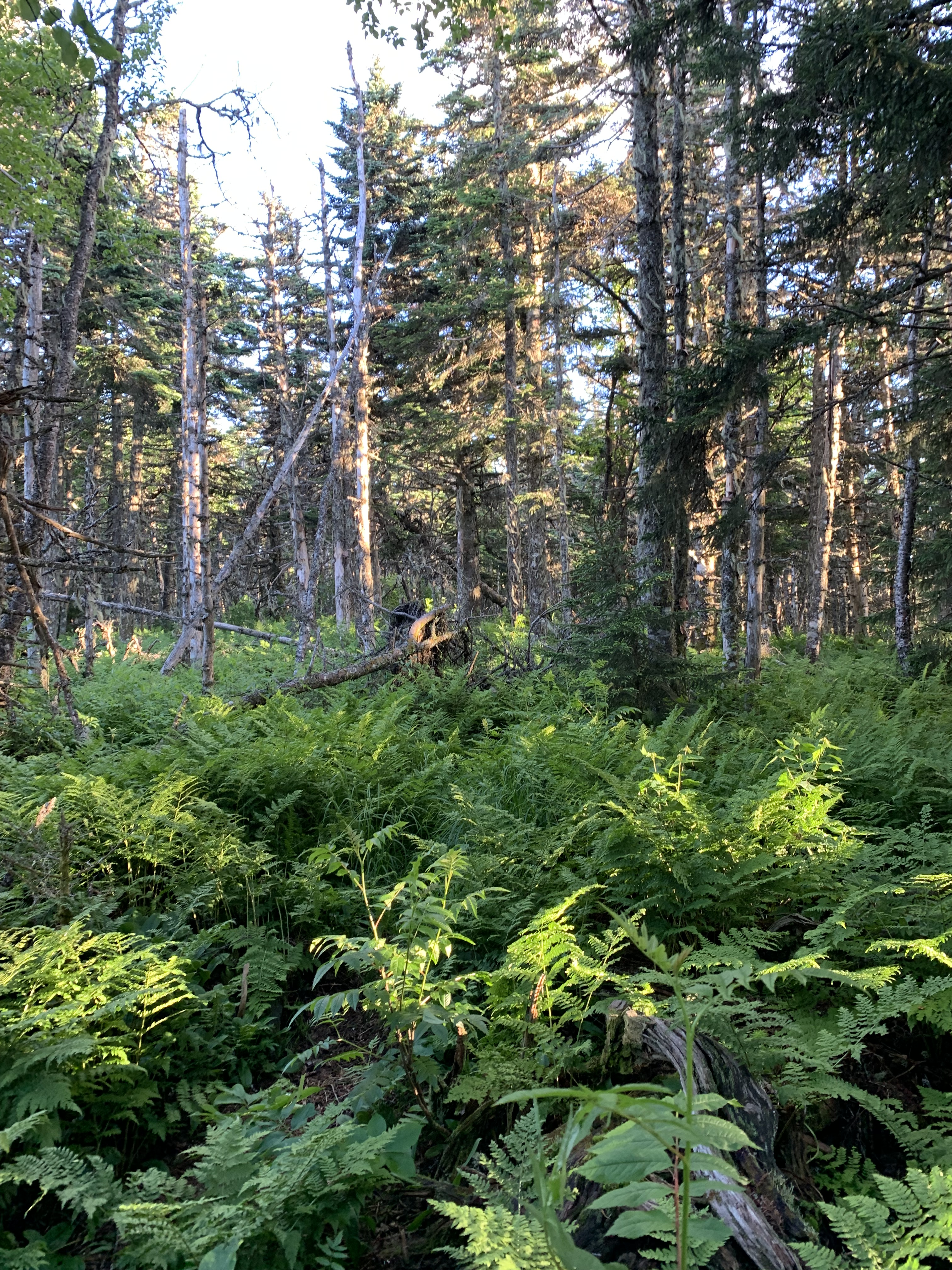
So many trees!

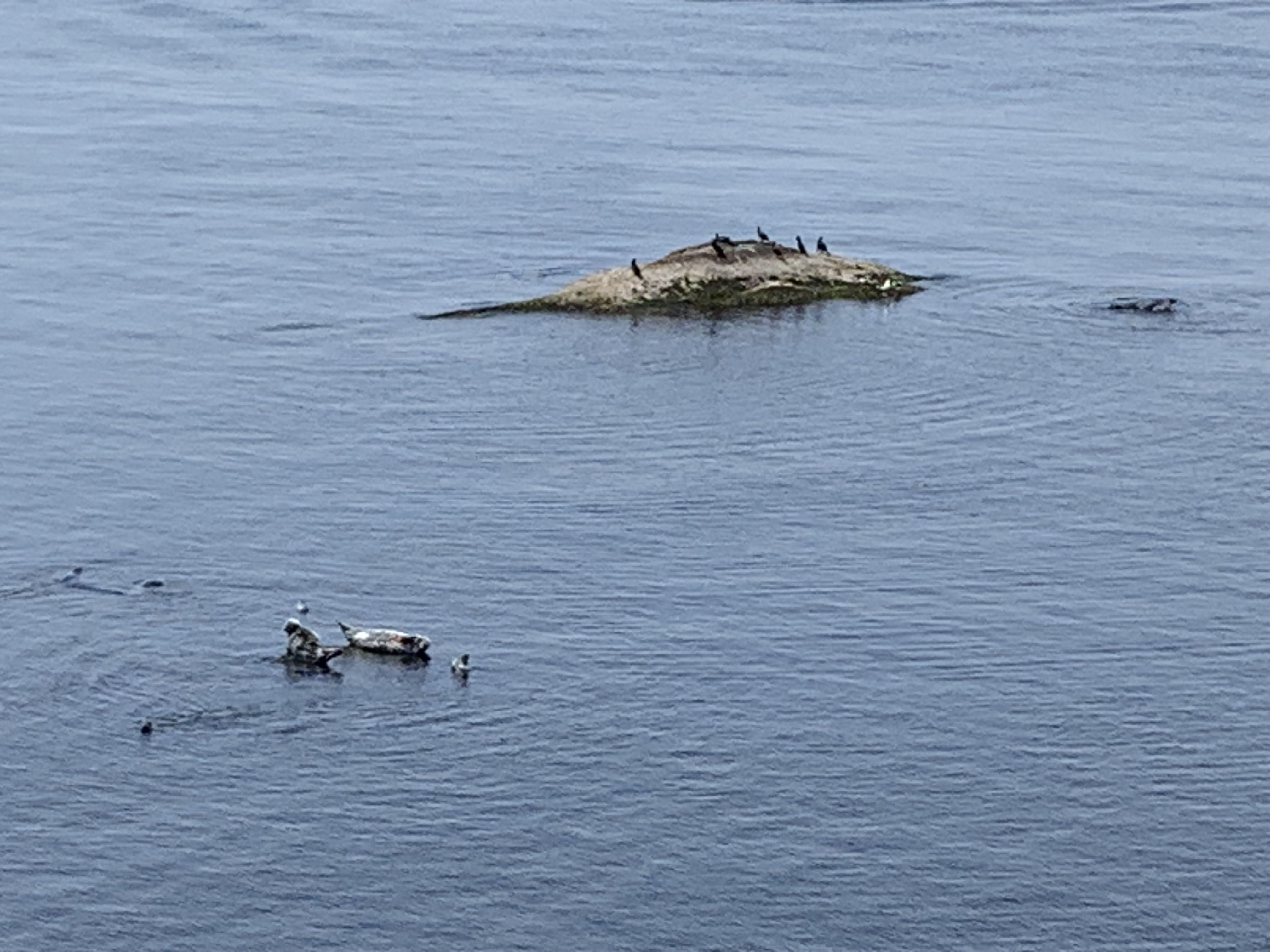
And seals that howled like wolves.

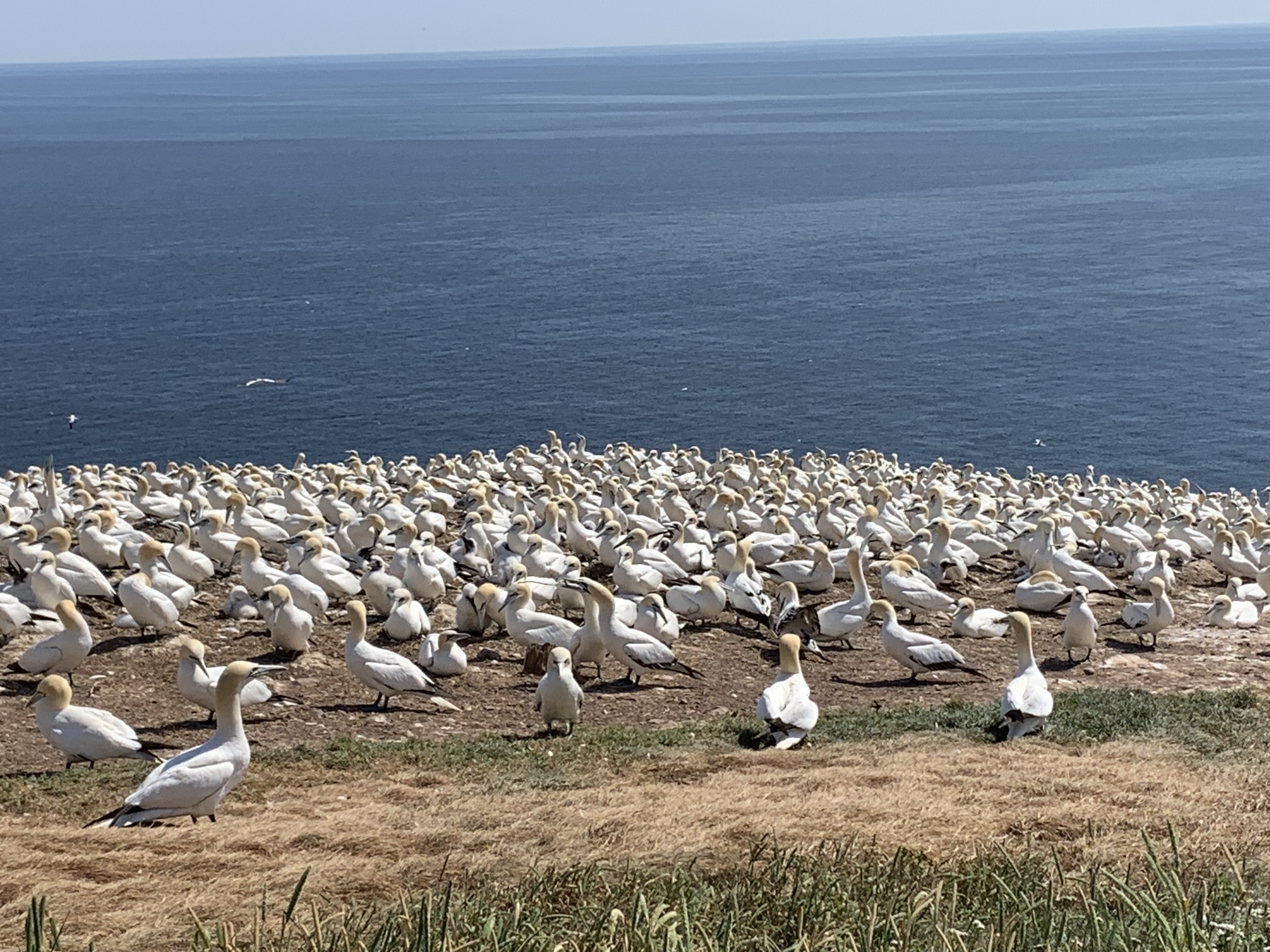
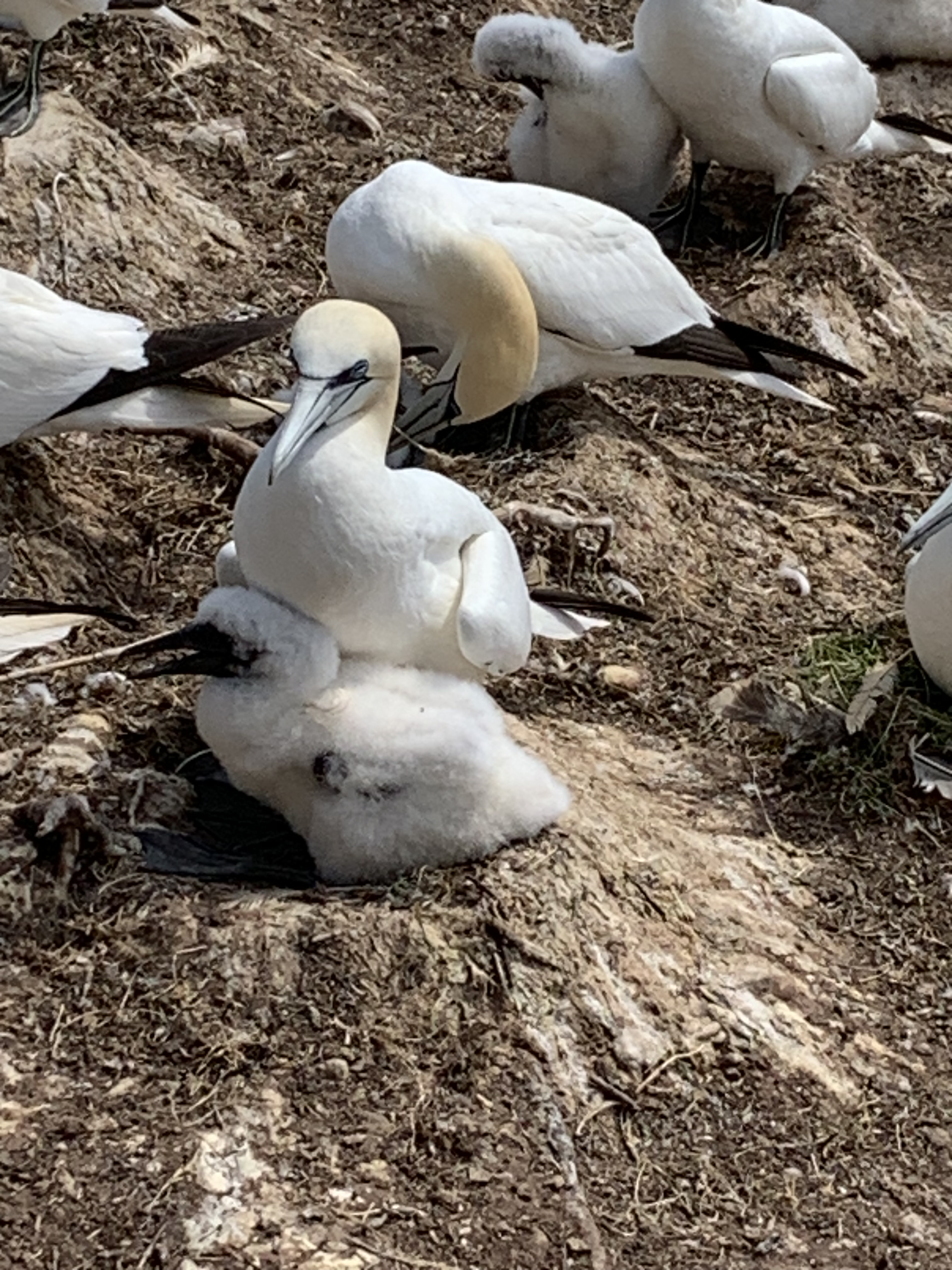
The largest colony of Northern Gannets, squawking and tussling like my middle school students.

Rocks everywhere, grand and common.

Ocean, gulf, river, lake: water in all its diverse forms.

Did I mention trees? The stunning variety of them, their sweet shade, the heady, pine-y scent; spontaneous gratitude would often erupt in my soul for God’s gracious gift of trees.

Every day, I tried to walk a little further on the local trails until, at last, I felt ready to tackle an actual mountain.

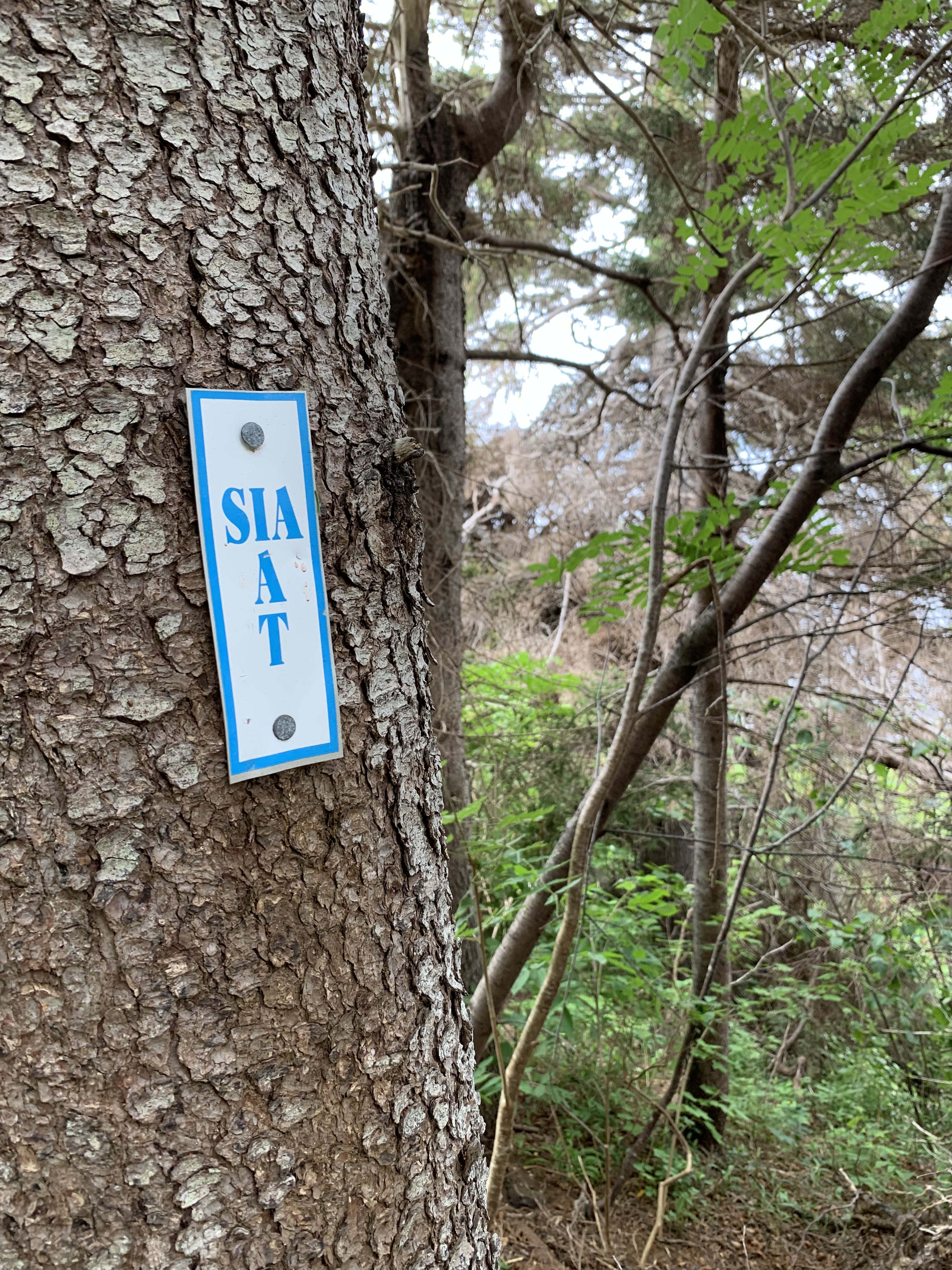
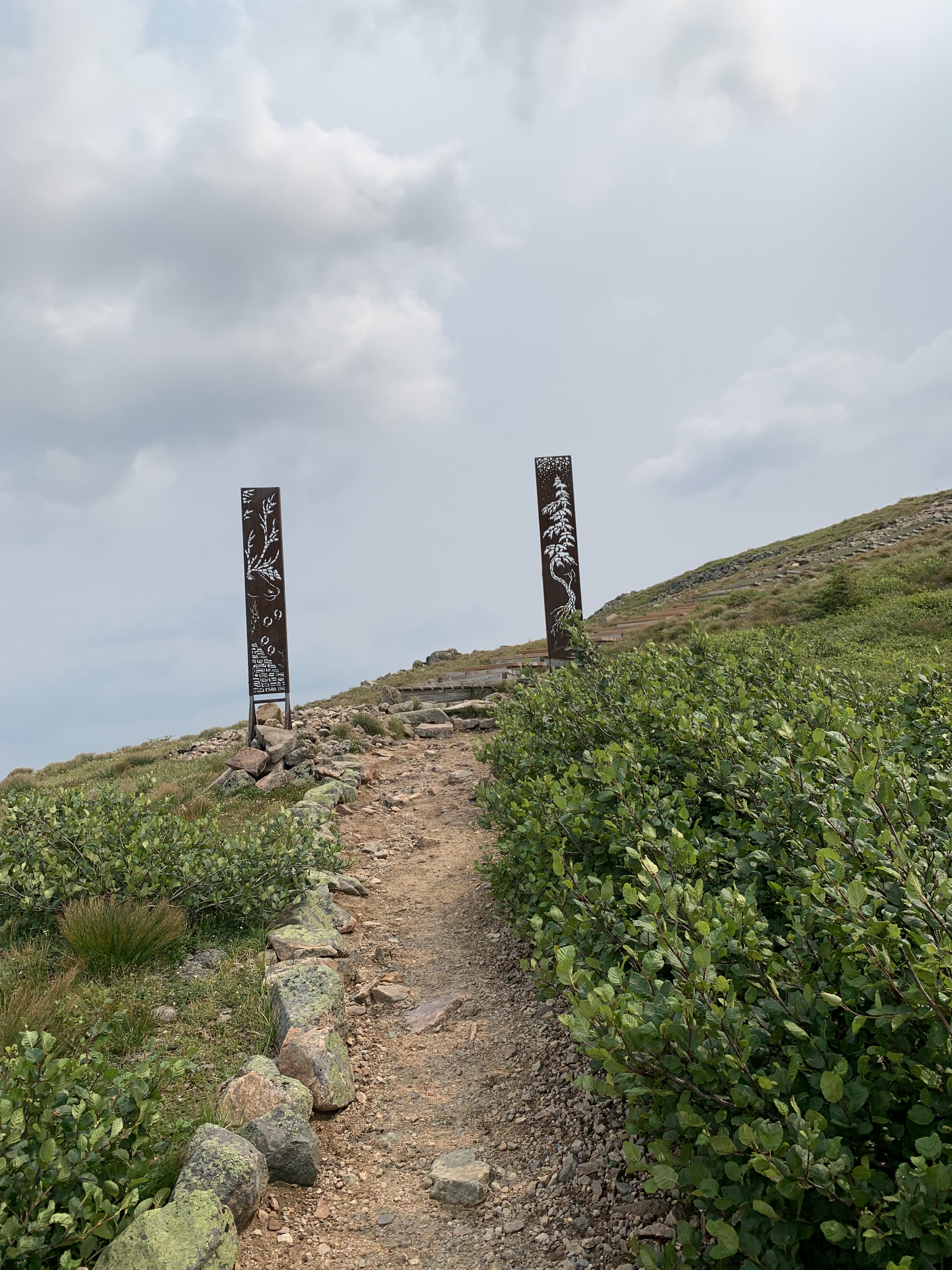
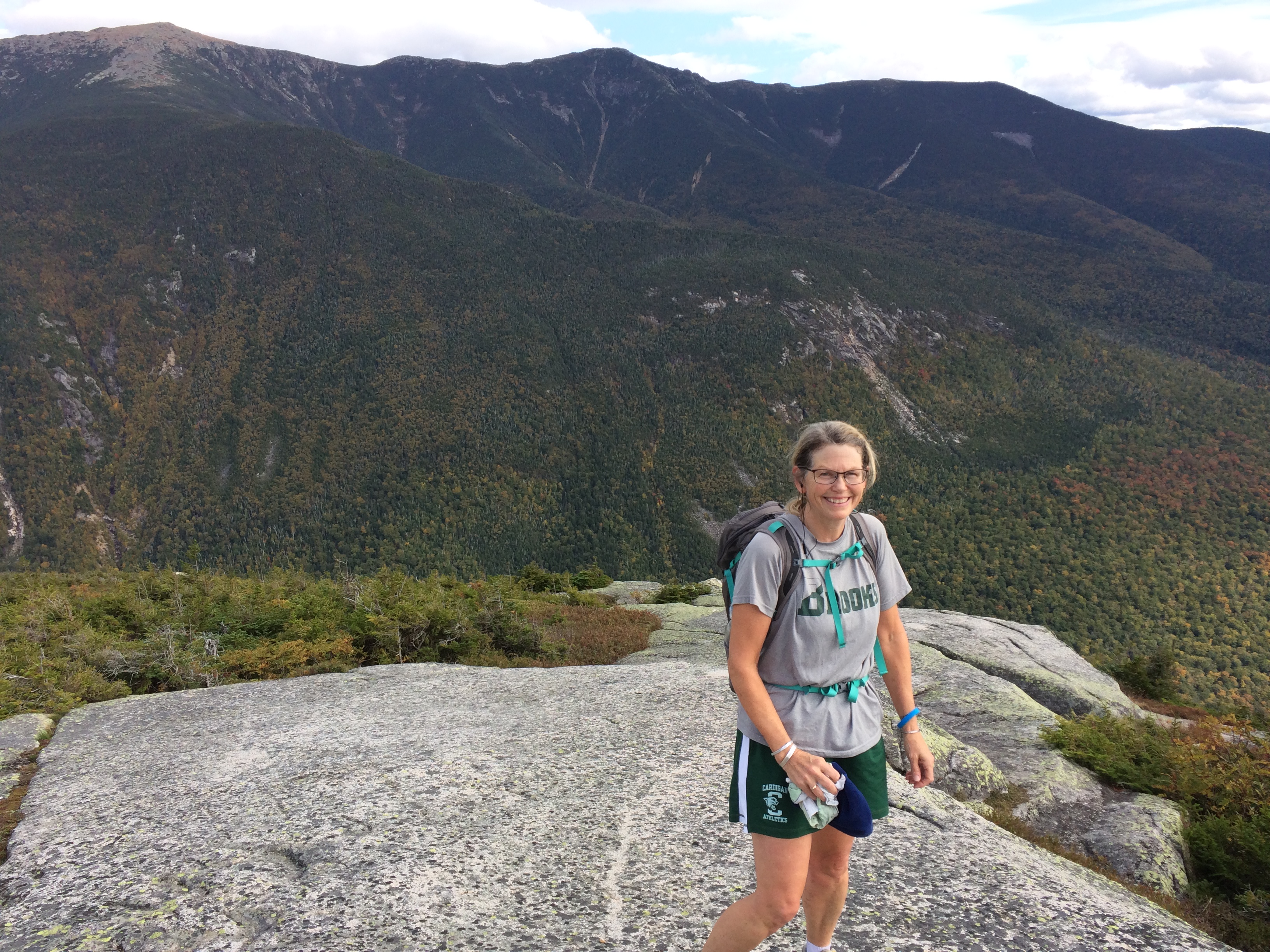
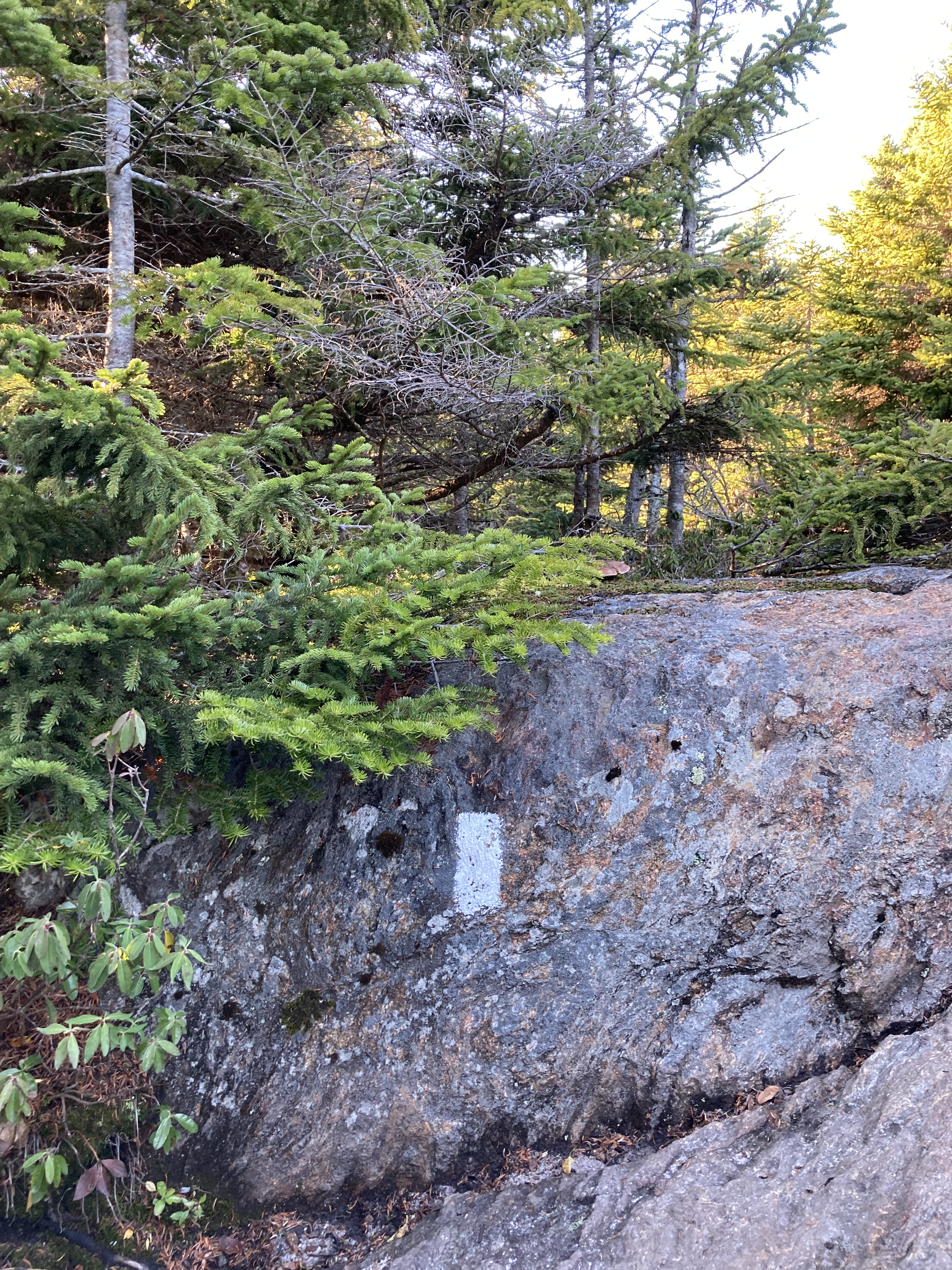
Standing proudly on the tip of Gaspe in Forillon National Parc, Mont Saint-Alban, at 285 meters, was a little over a five mile loop, much of it on the International Appalachian Trail.

Seemed like as good a place as any to kick the tires.

Rain pelted my windshield as I parked at the trailhead, waiting for a break. Yes, I wanted to see the views promised in the trail description, but I also longed to see if my damaged soft tissue was healed enough to propel me up the mountain.

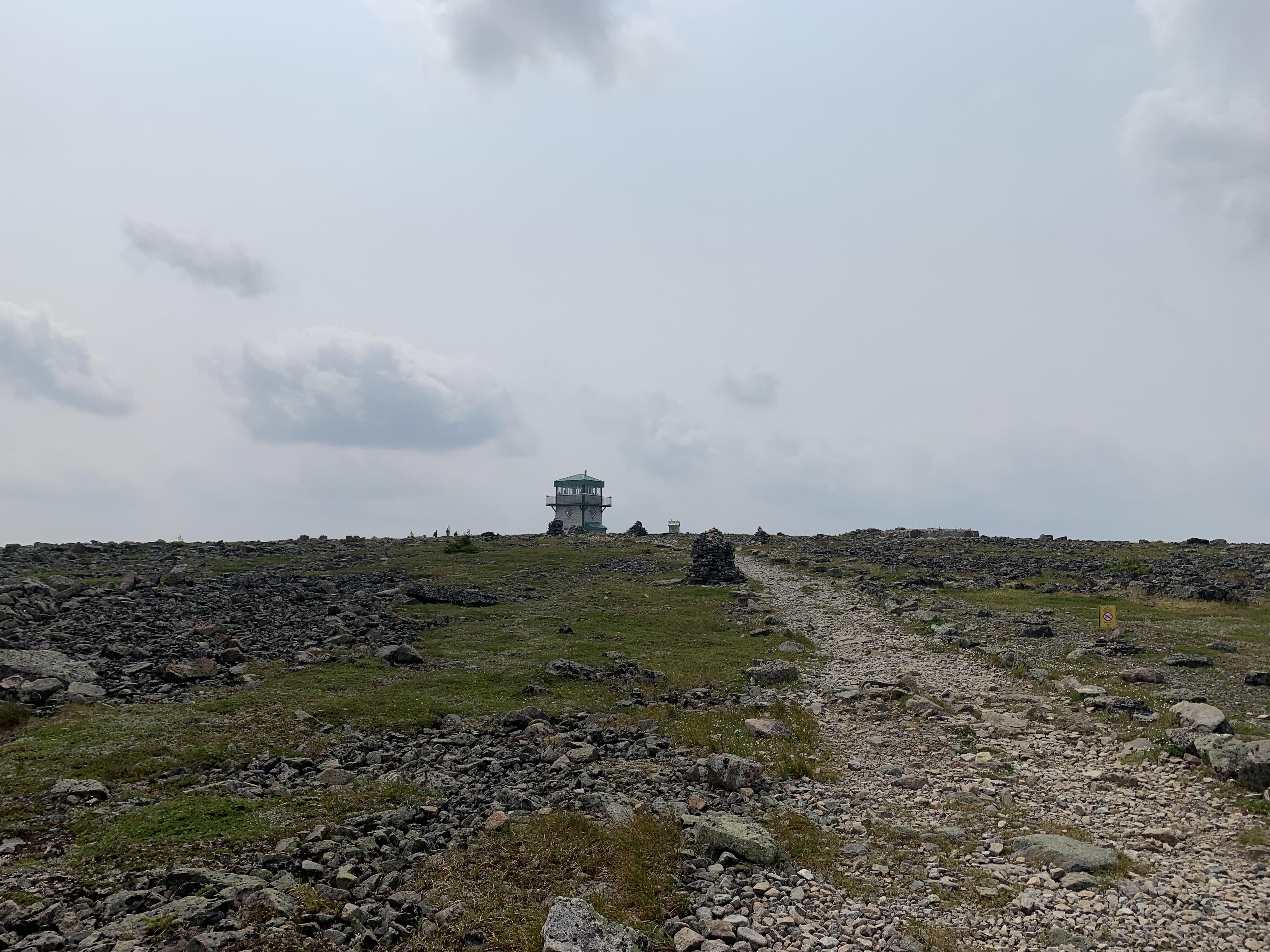
Muscle memory took over as I exited the car and practically danced – cautiously – toward the summit and the observation tower at the top.

Perhaps, upon discovering that my legs did, in fact, still work, a view would be nice after all. I willed the misty clouds to part at every outlook.

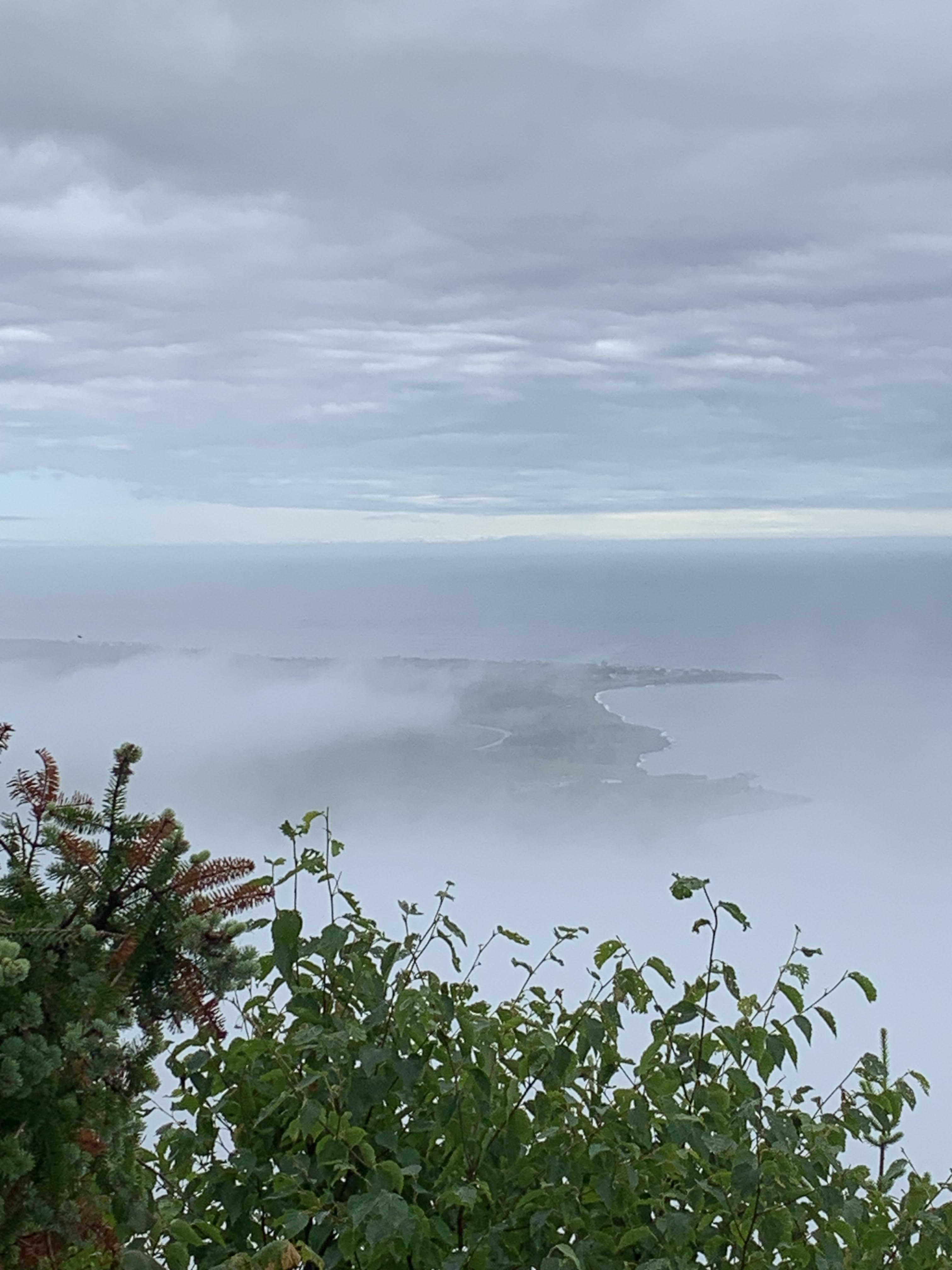
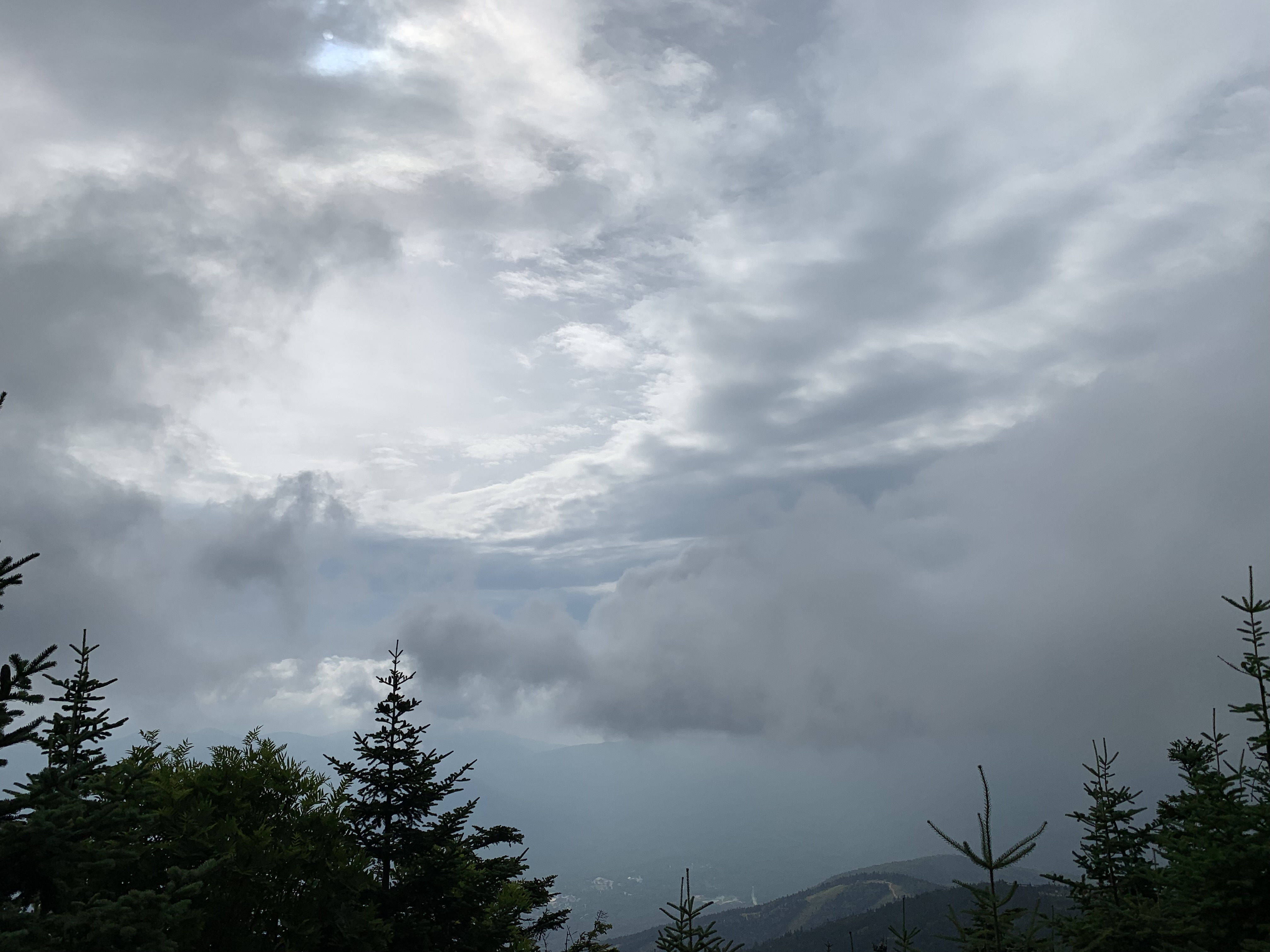
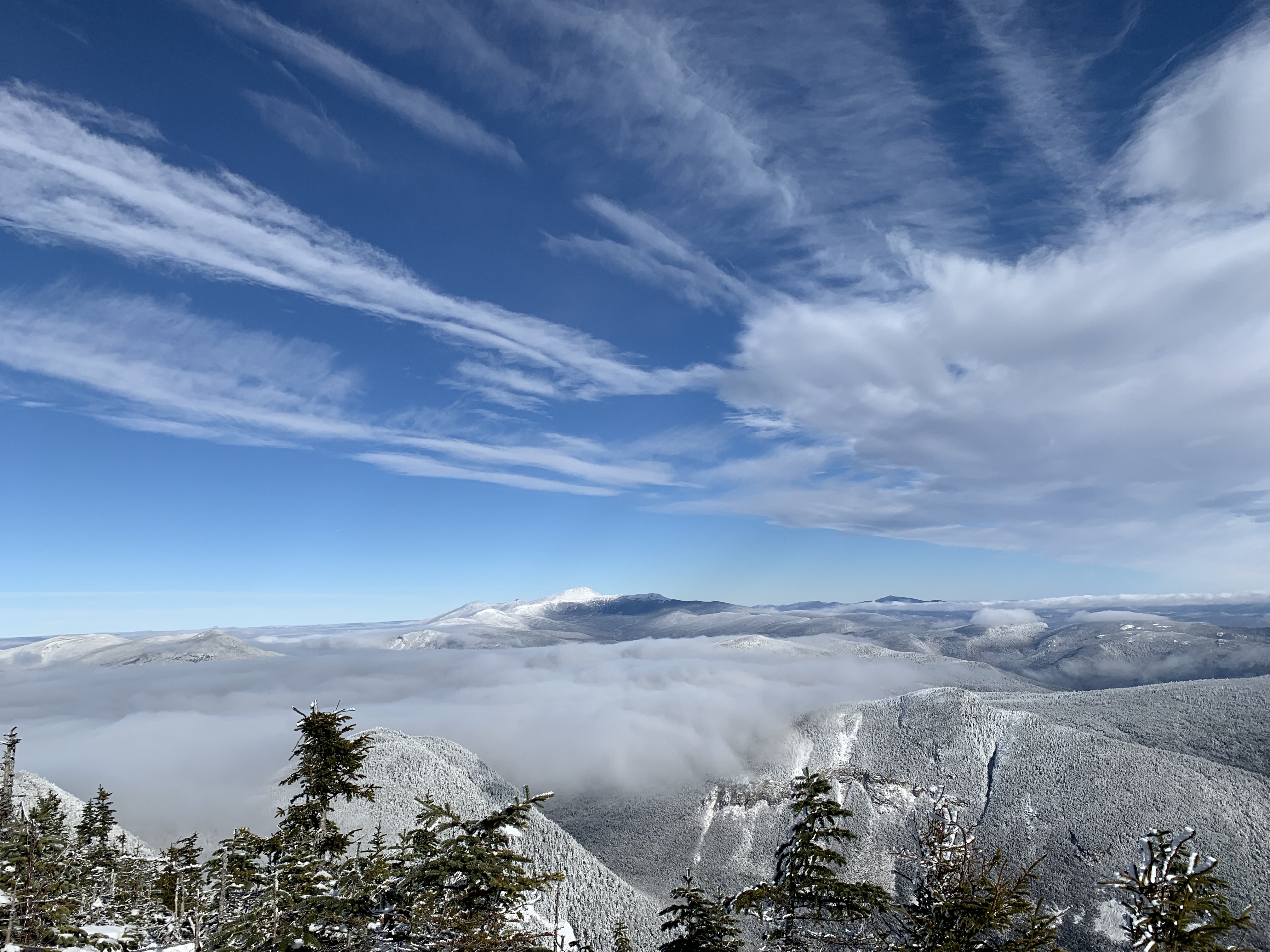
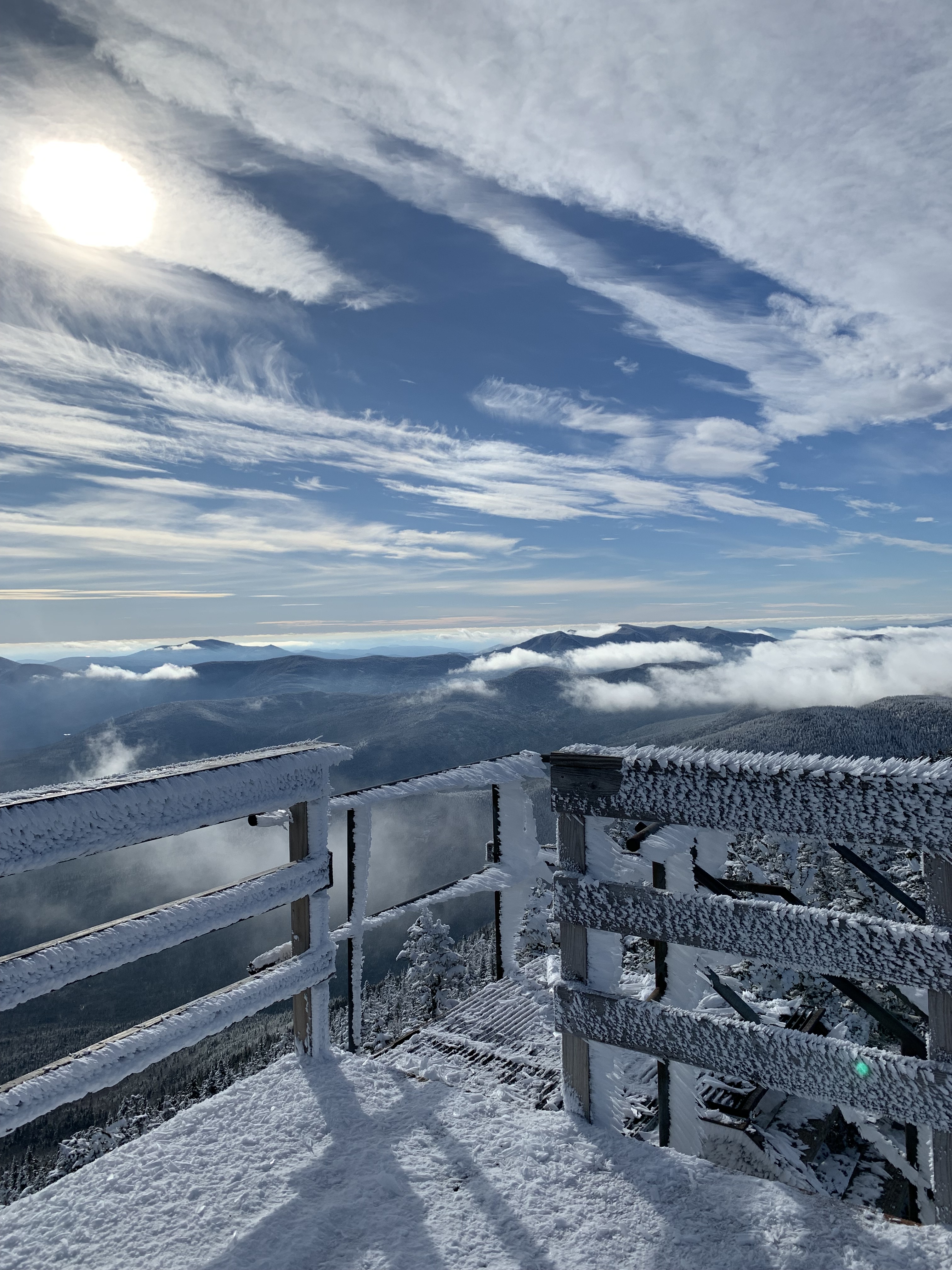
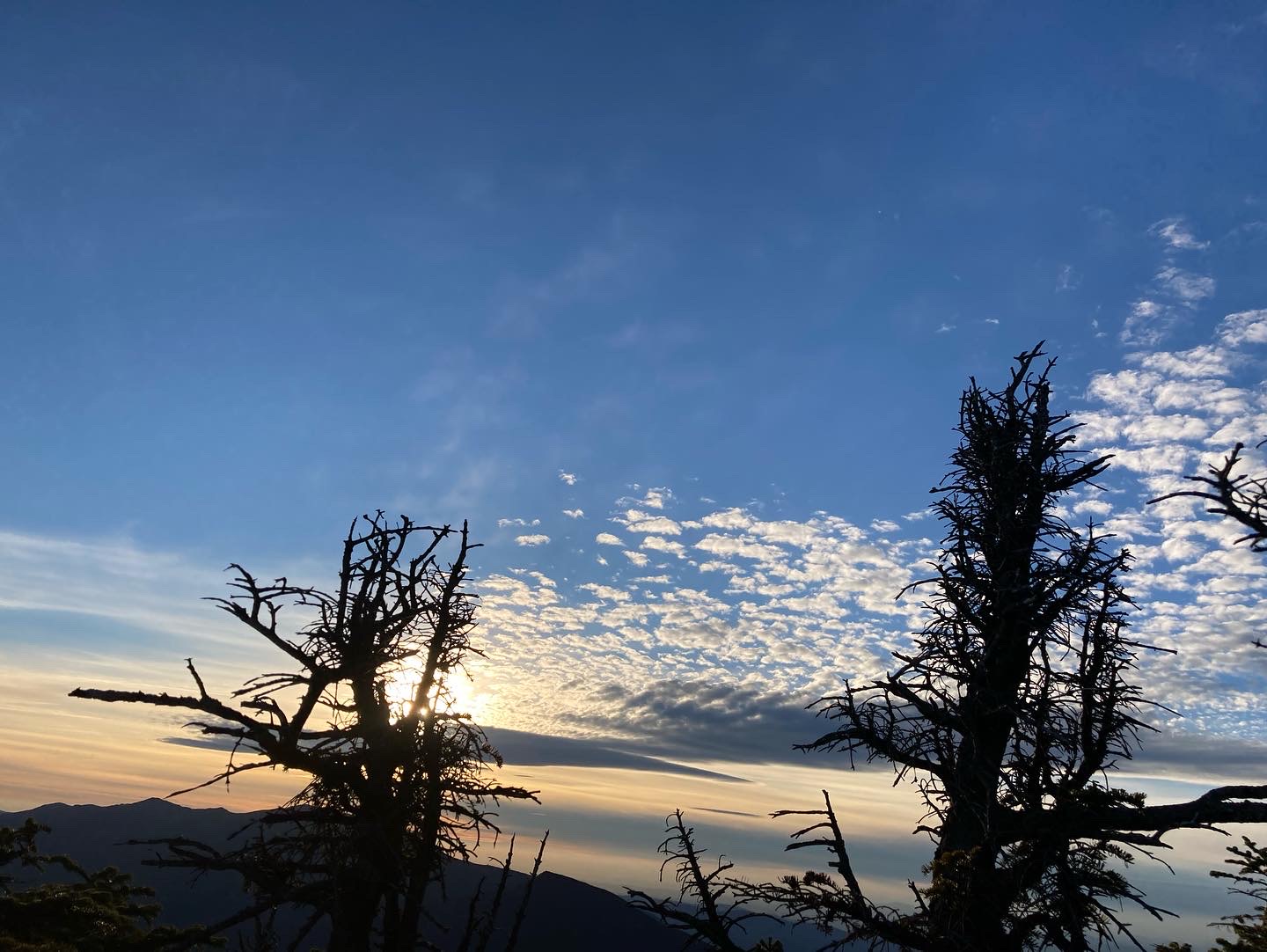
When I reached the top tier of the tower, they did, in part, recede, affording me some of the most elegant displays of the entire trip.

And that’s when it hit me.

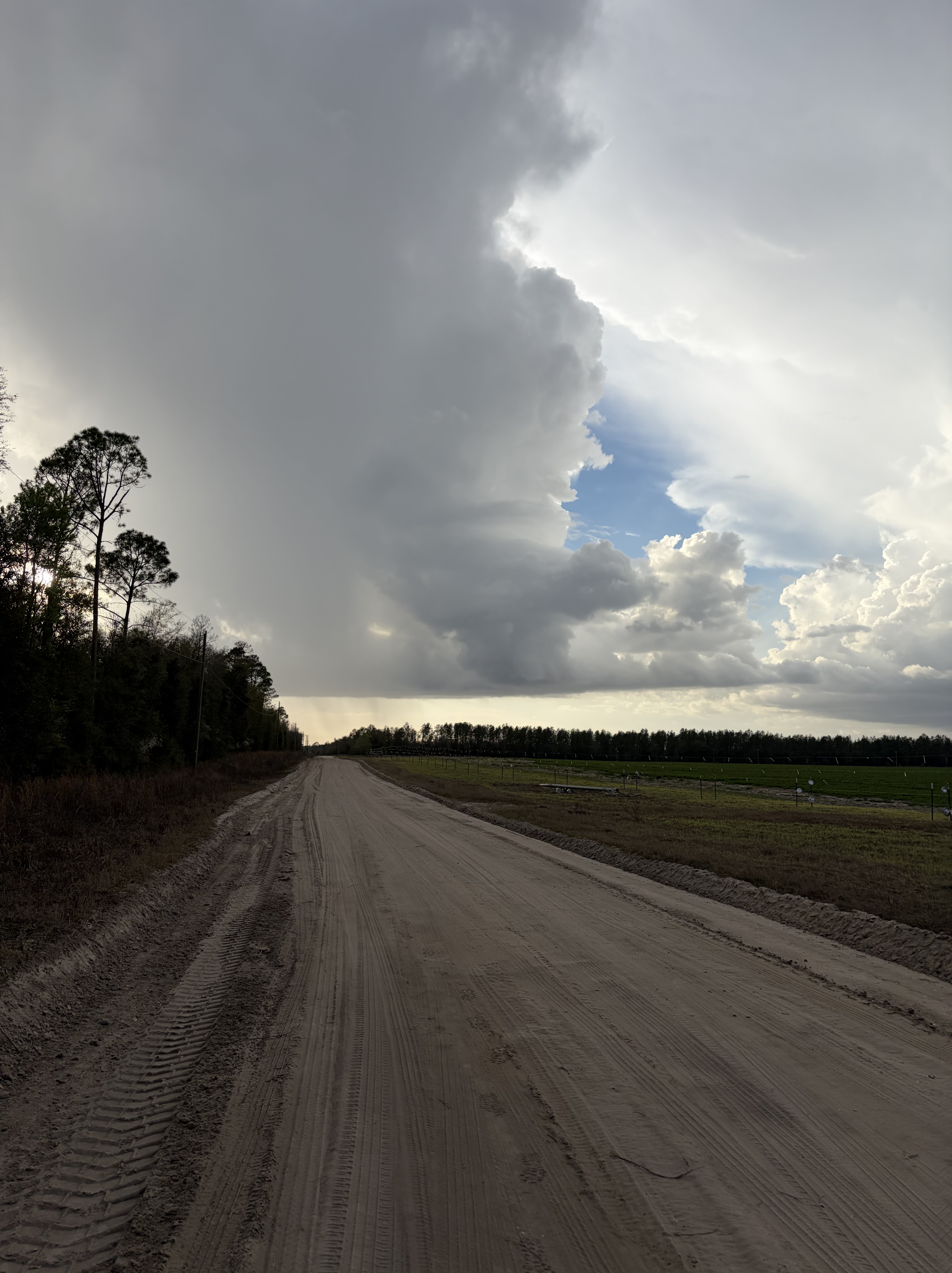
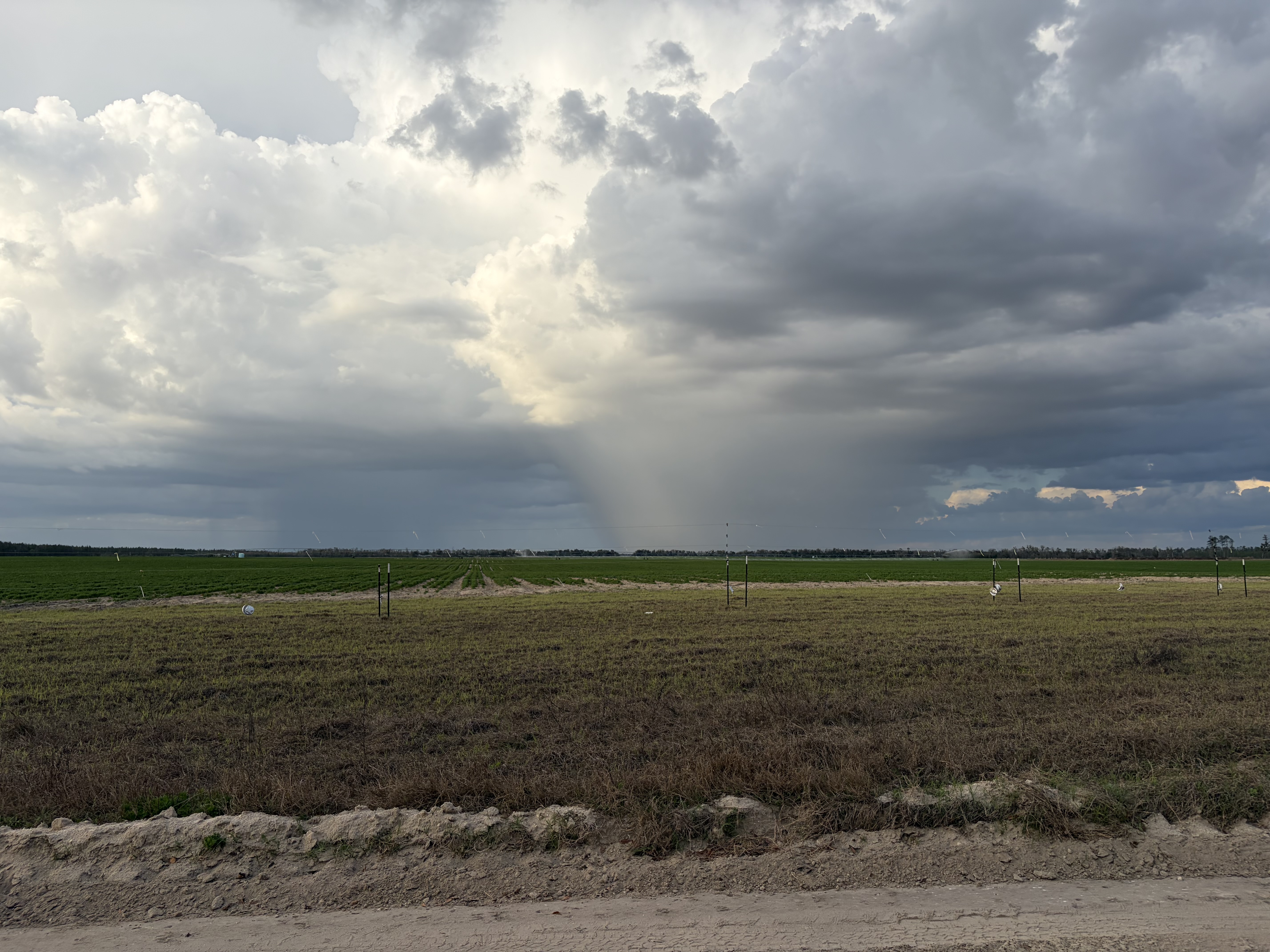
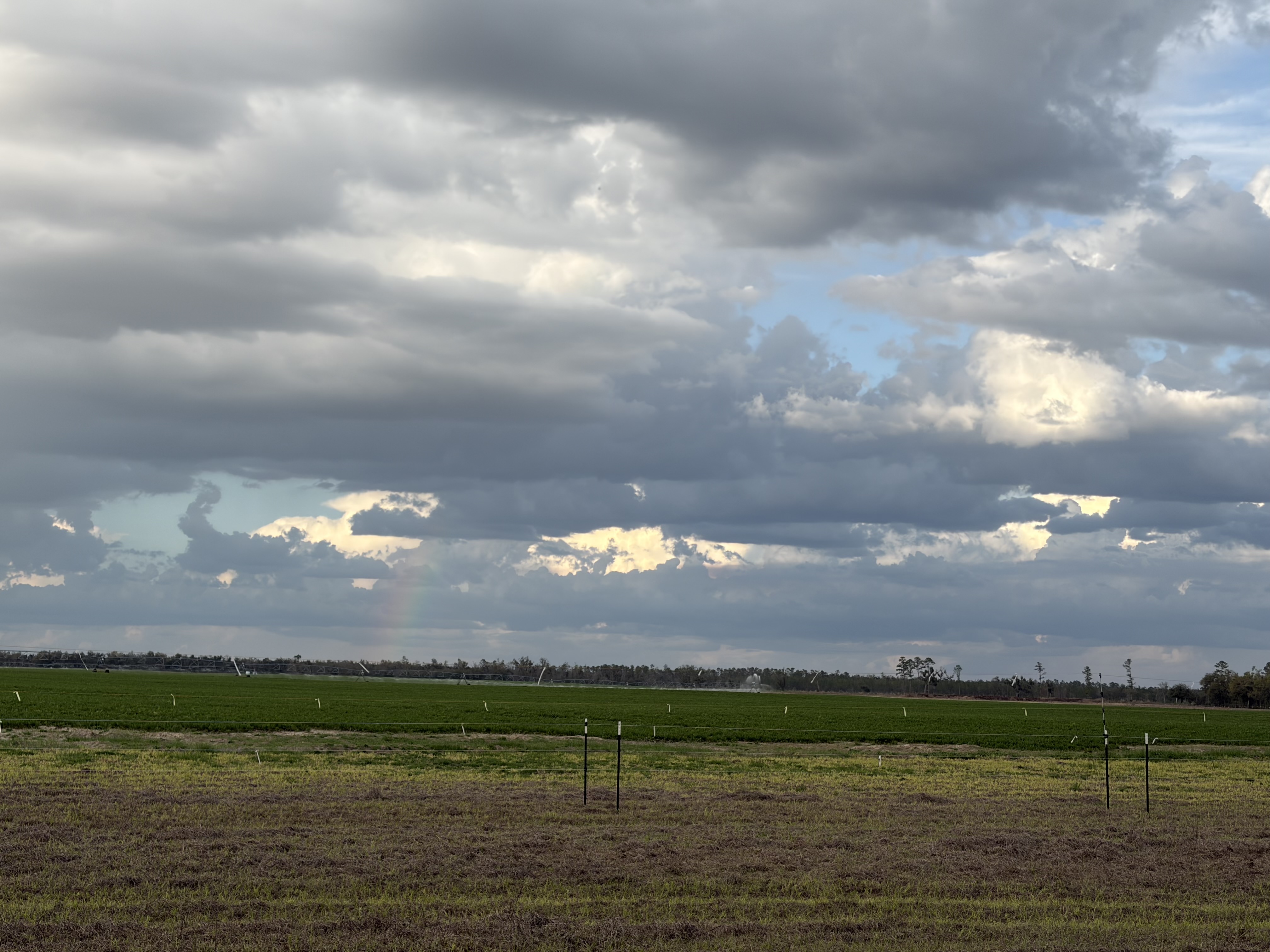
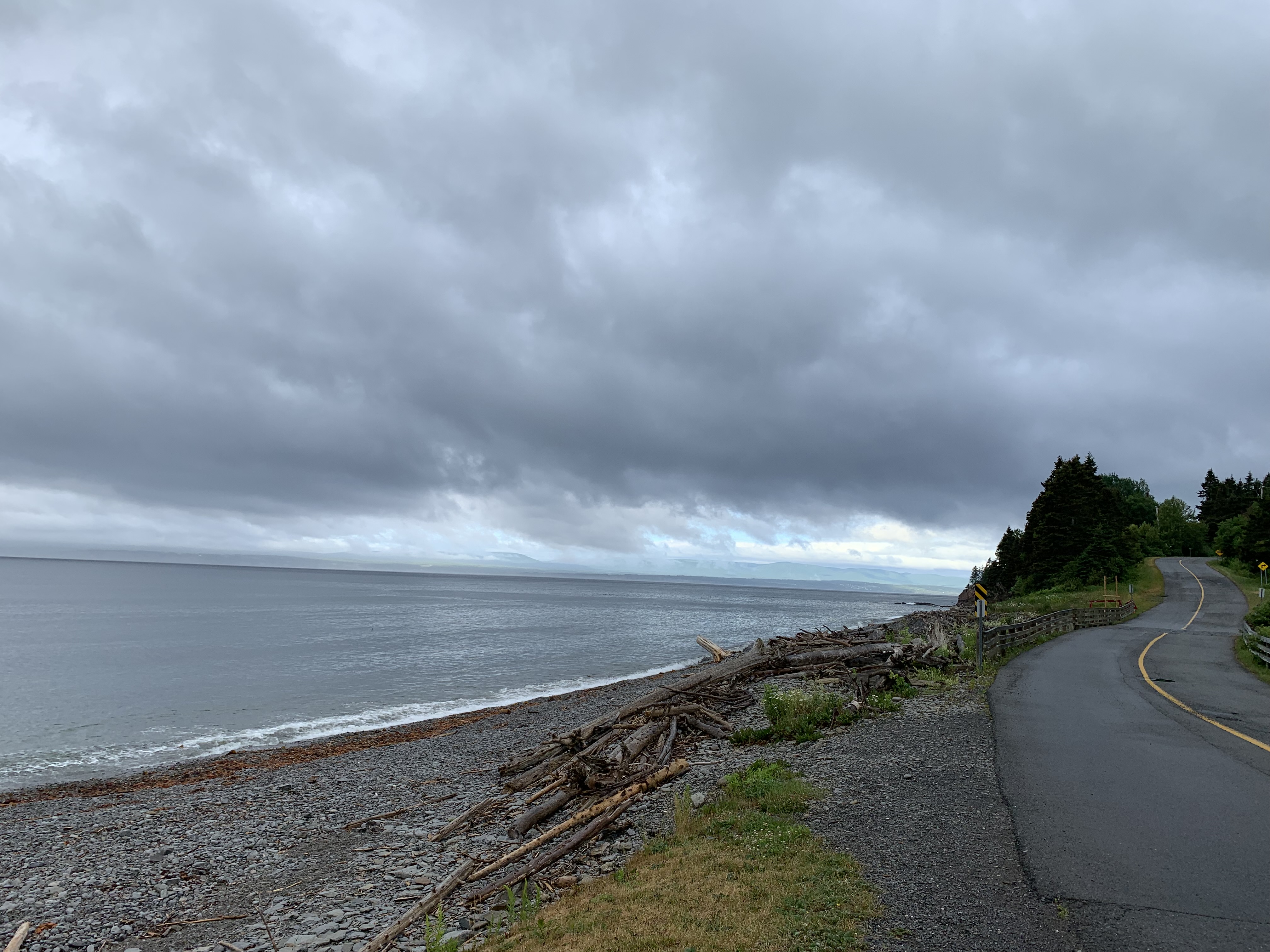
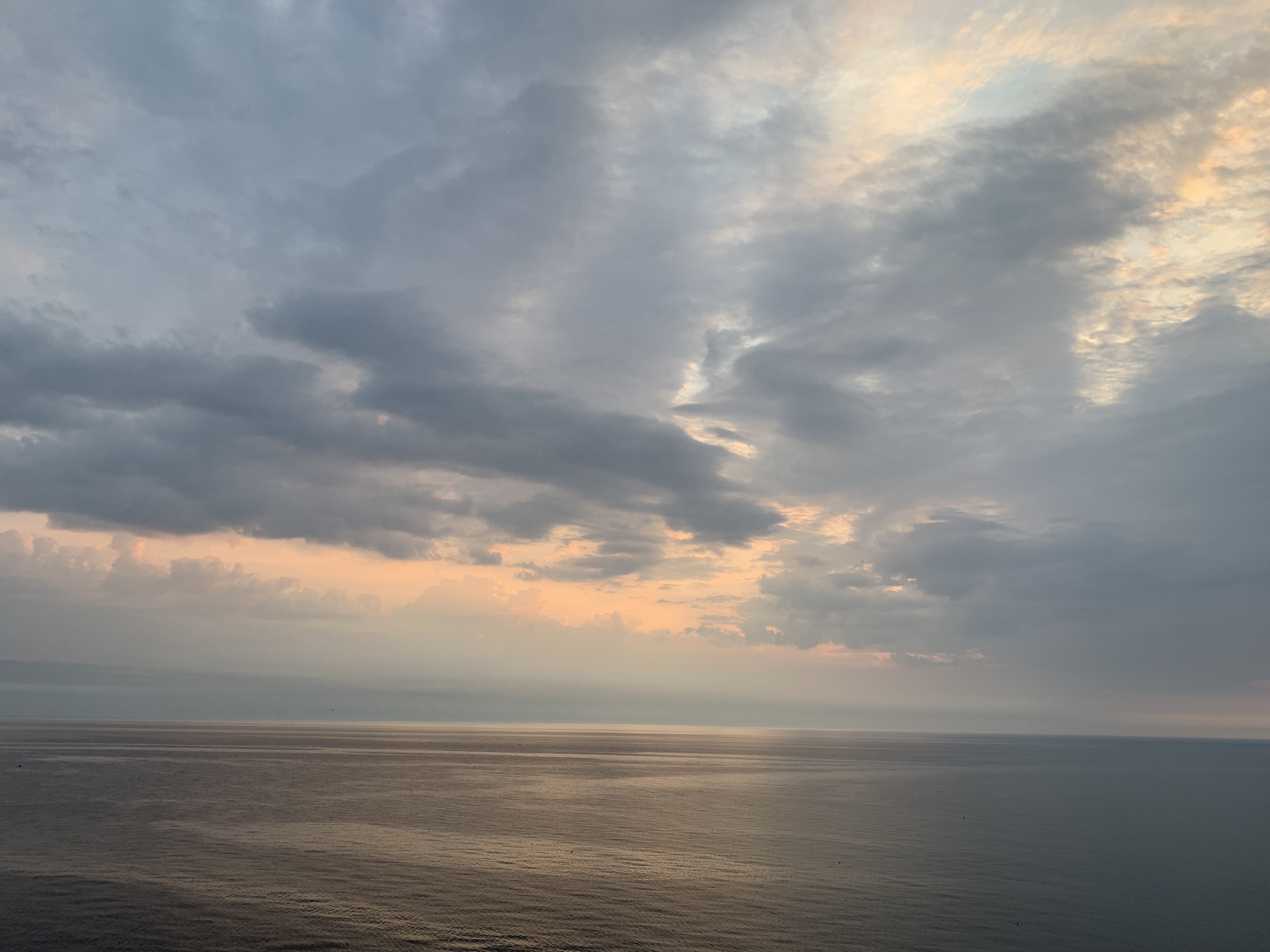
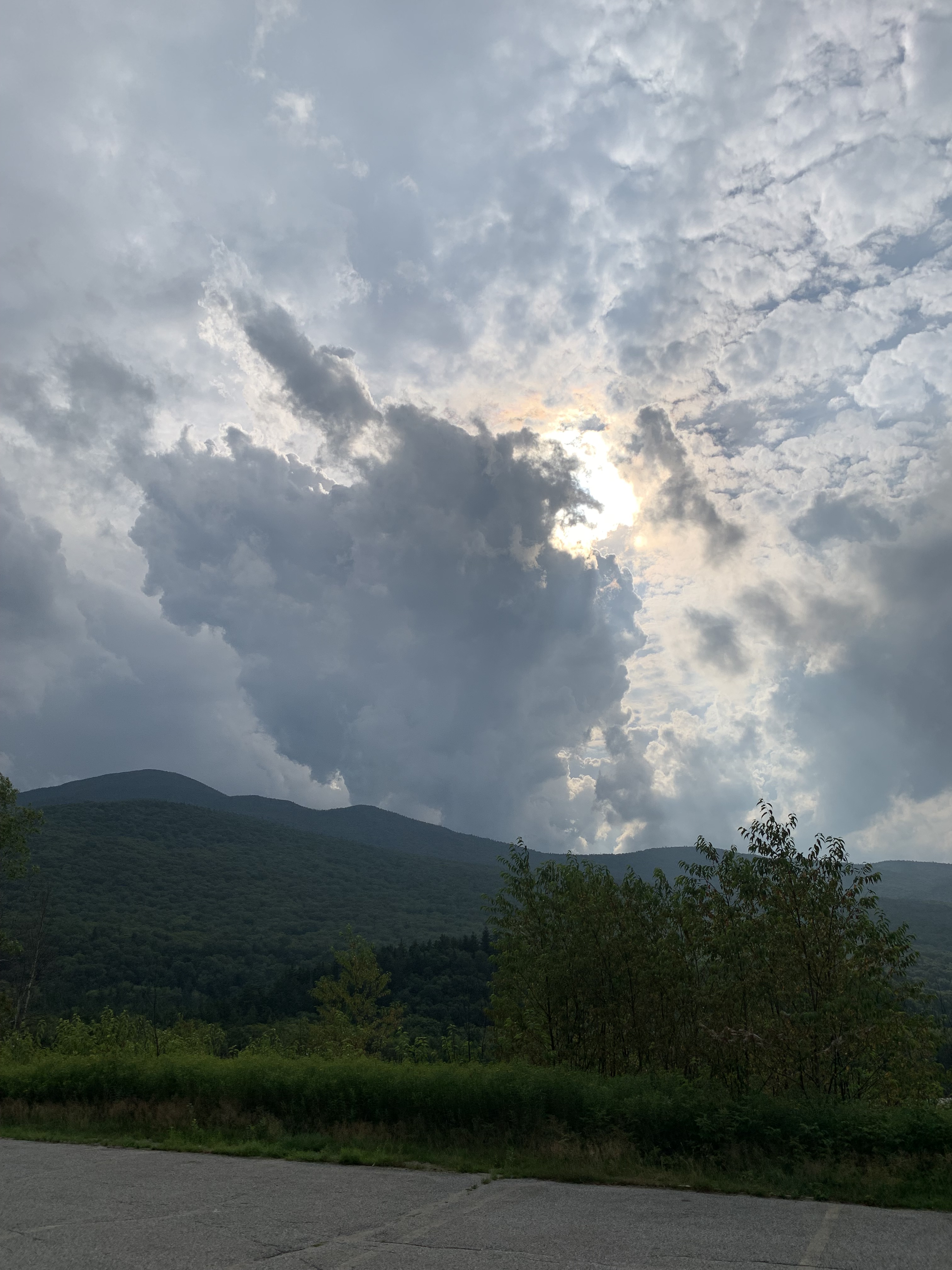
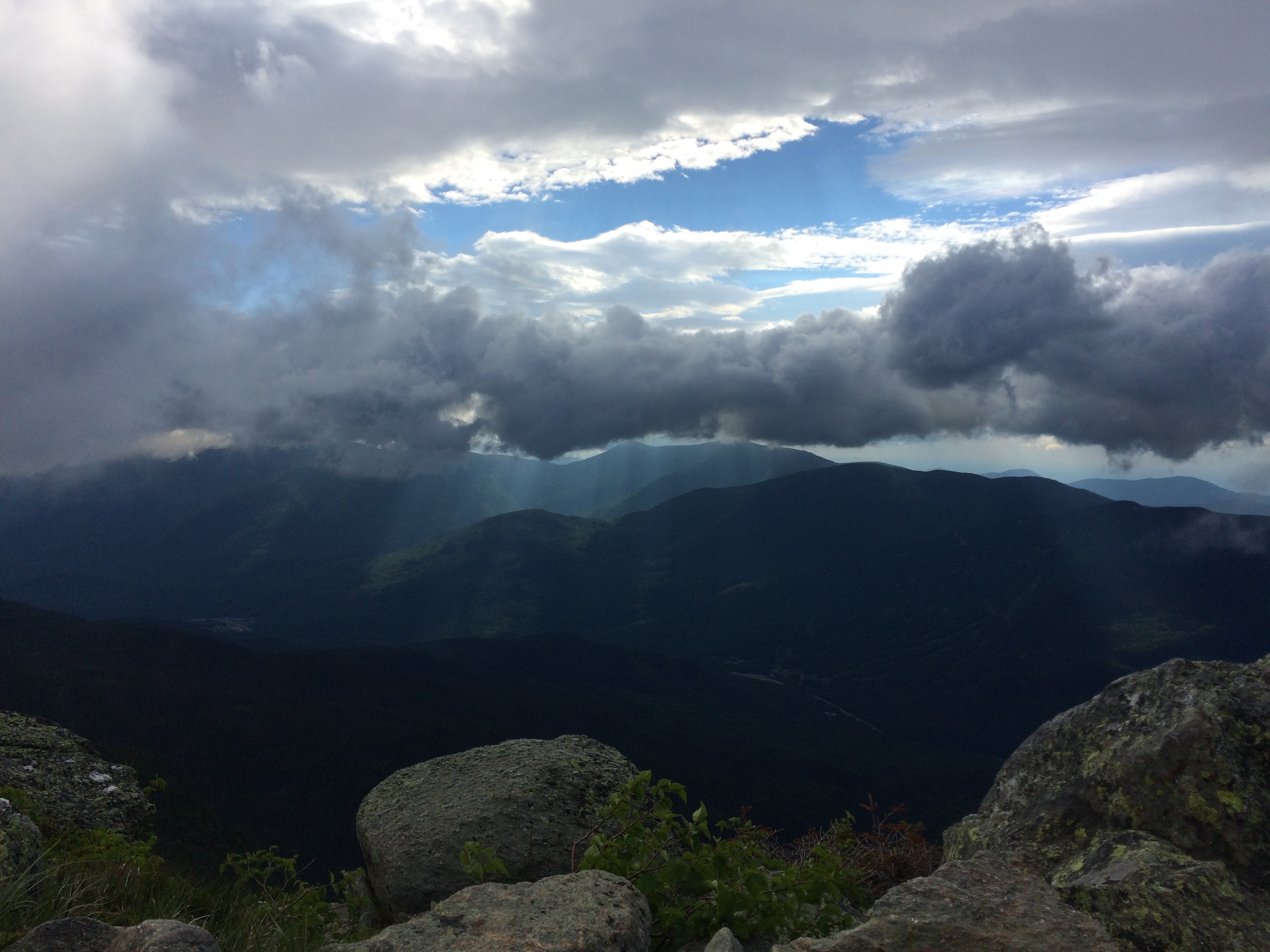
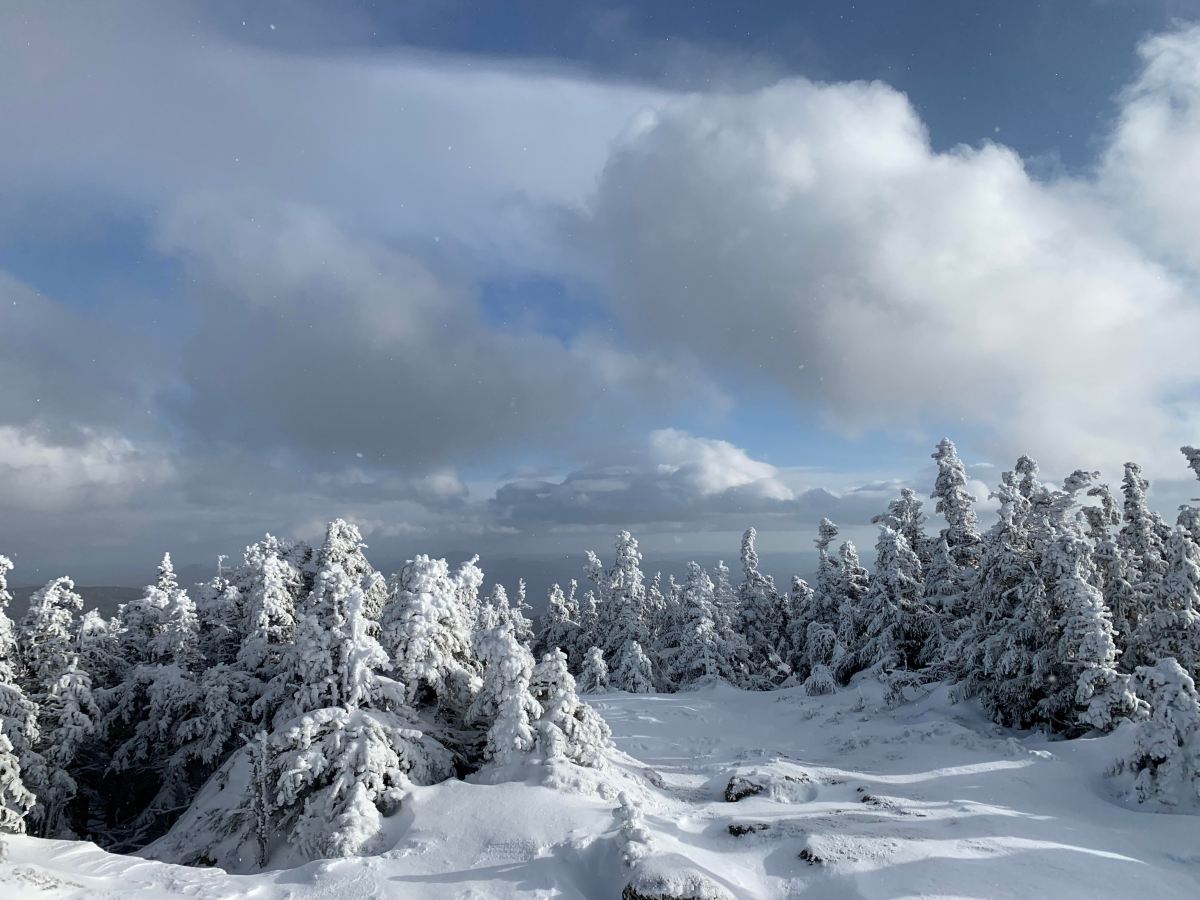
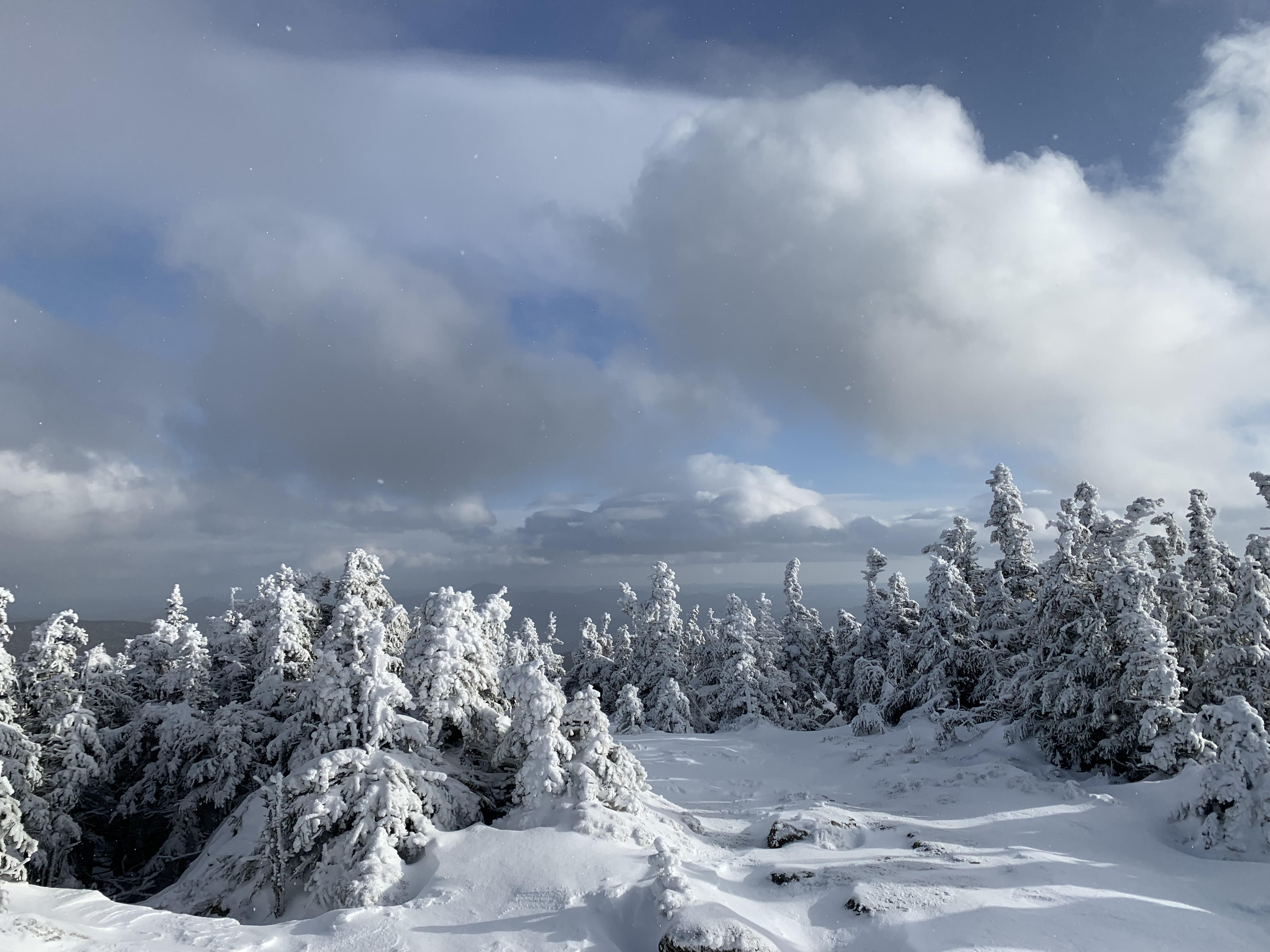
Without the clouds to frame the landscape, the tip of the Gaspe, the cliffs and trees and sea, would have appeared flat, dull. It was the clouds themselves that revealed the beauty.

For the rest of the trip and thereafter, I started paying attention. Cataloguing.

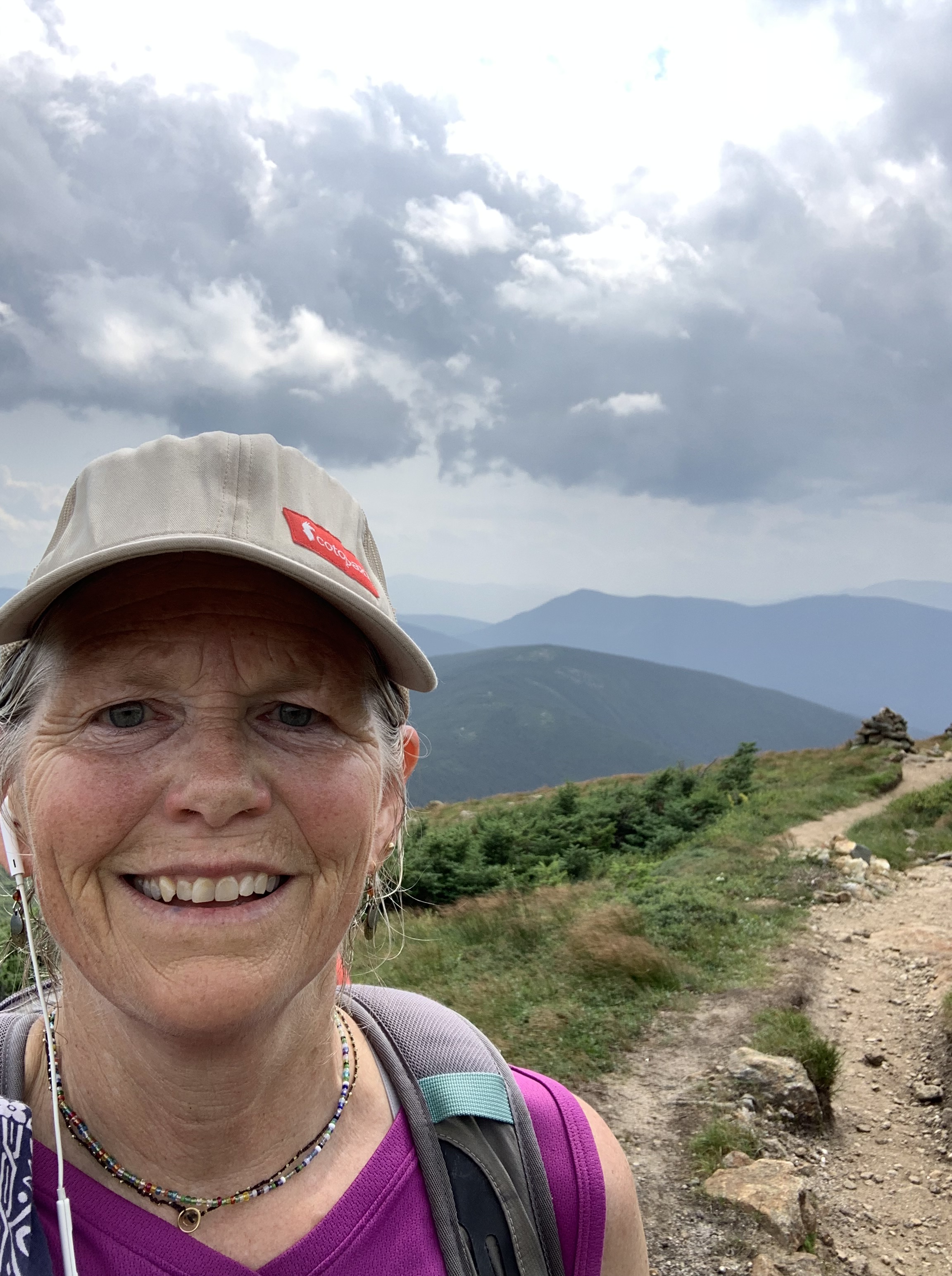
Confident in my restored limbs, I tackled Mont Jacques-Cartier.

Found other paths.

Everywhere I looked.

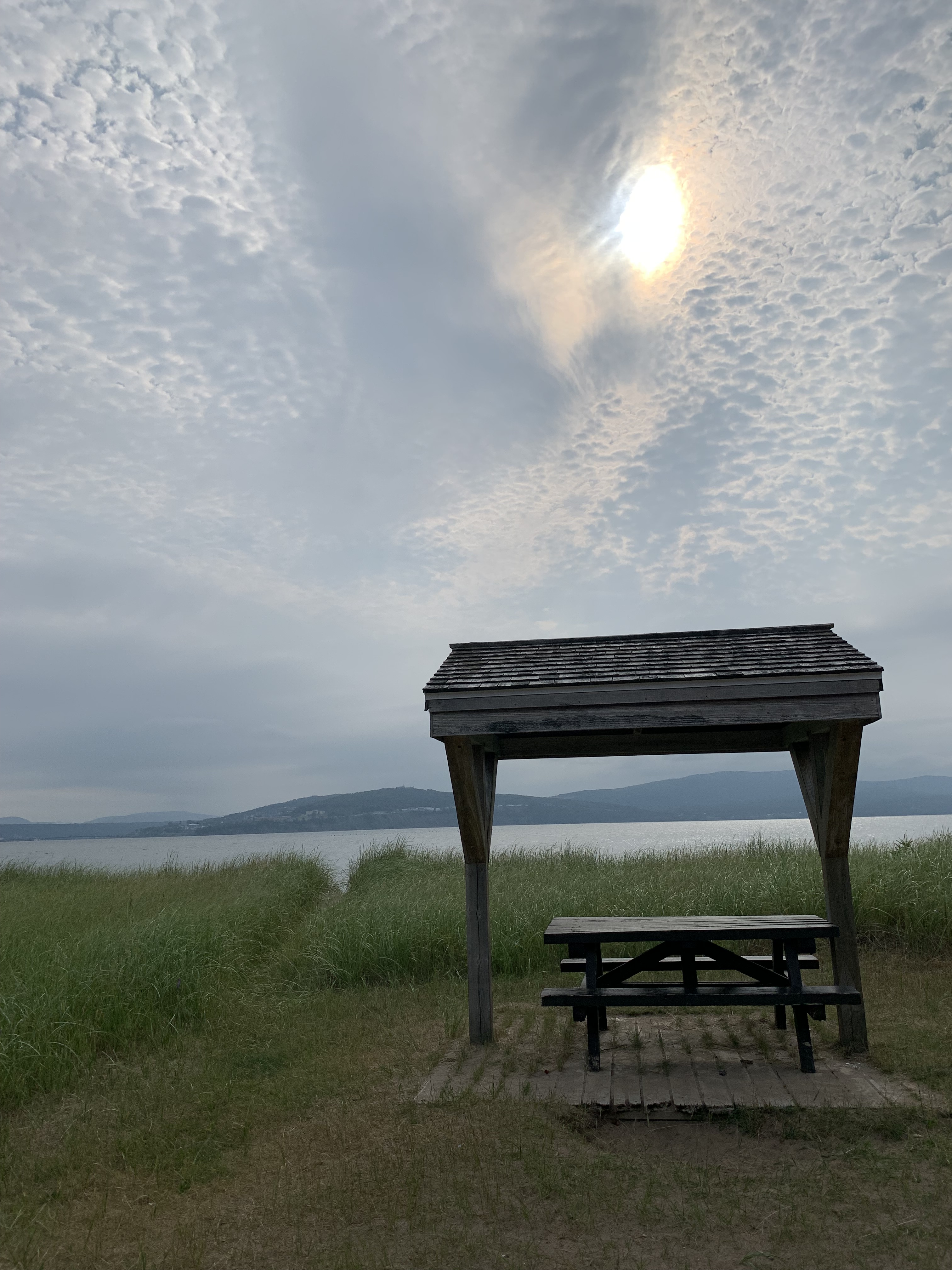
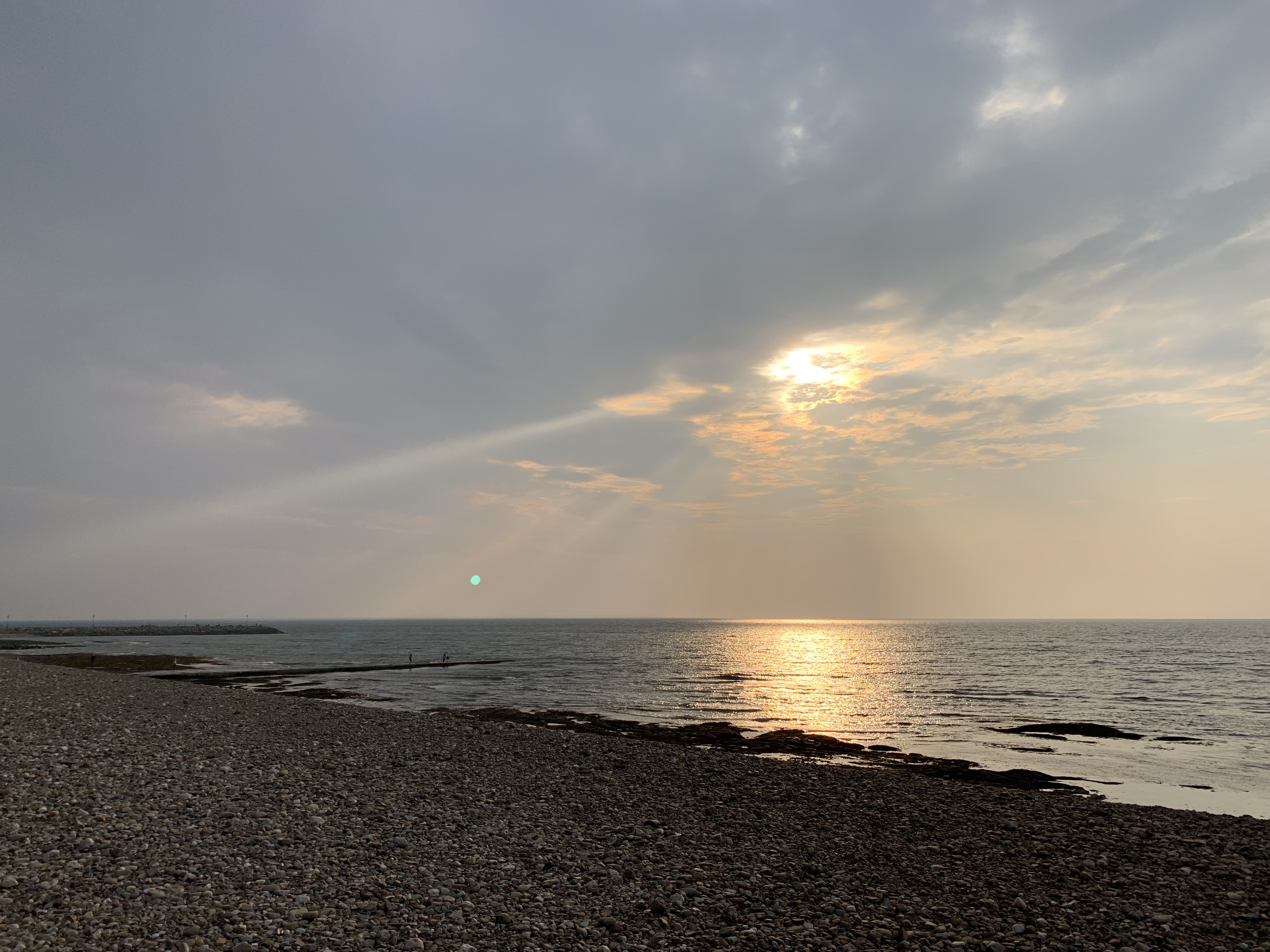
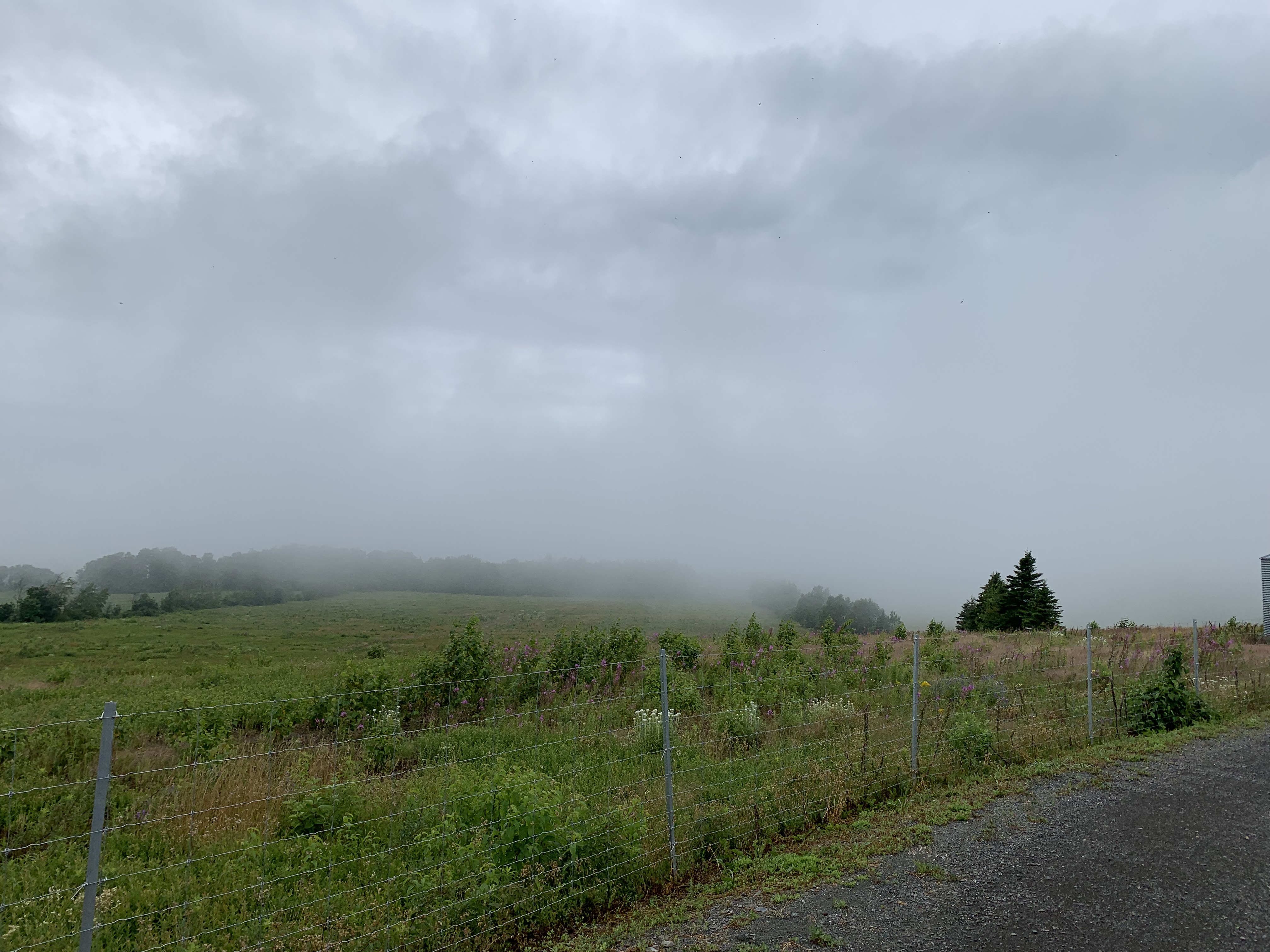
Veil in sky or vapor over field.

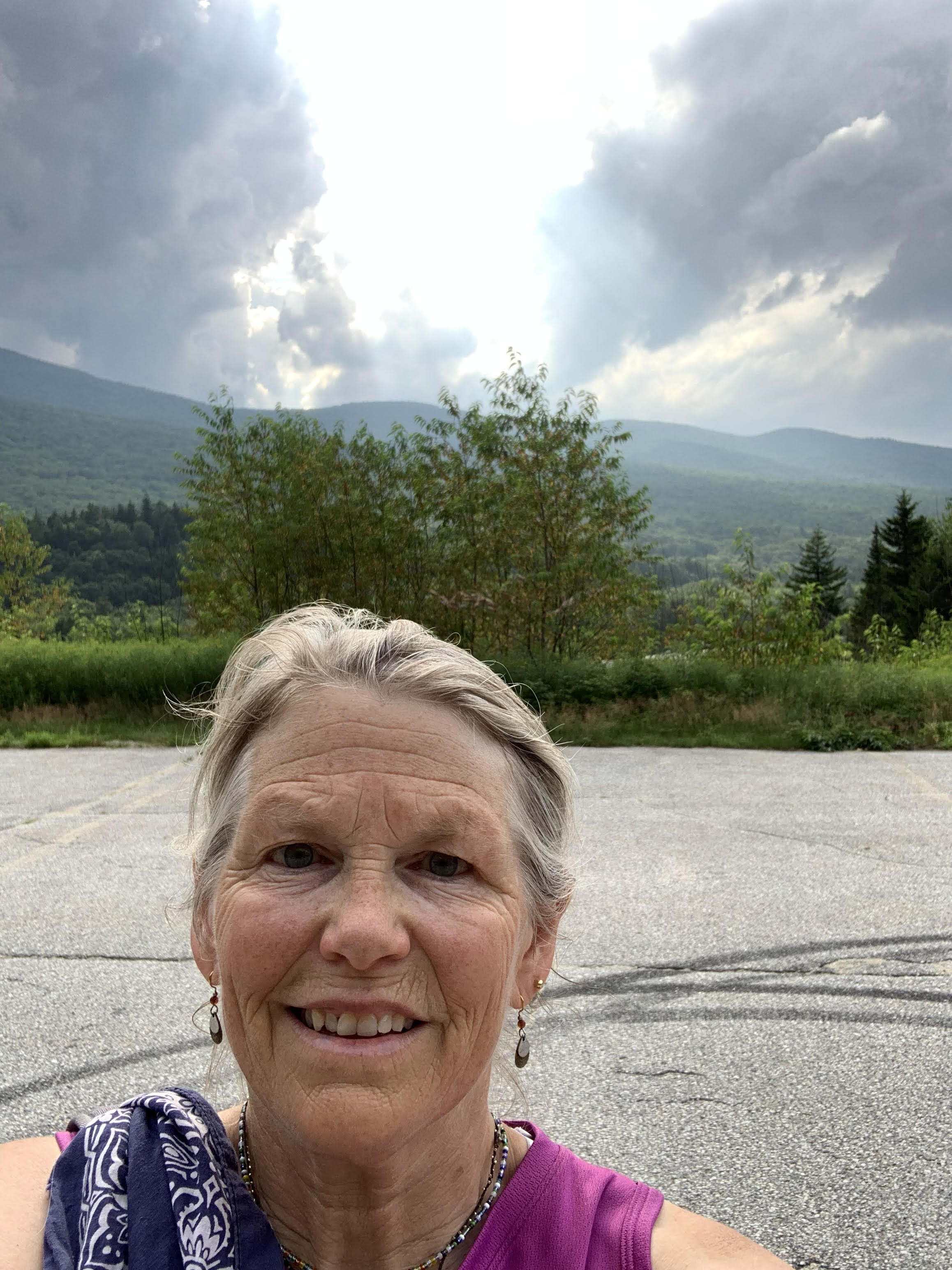
The clouds were the show.

Integral, insistent.

We so often denigrate the clouds in our lives. The times when the sun is shrouded and our lives are marred by frustration, confusion, and pain.

But what if -?

What if those times are necessary, to help us truly see and appreciate and know?

Perhaps we don’t value a thing until it is lost, for a season or forever.

I want to look with new eyes.

To not despise those cloaked things.

It is said my King will one day return. It is said He will come with clouds.

Should I be found here, waiting, when this occurs, let it be with a heart full of gratitude for the times with and the times without.

576

The other day, a manilla envelope appeared in my campus mailbox.

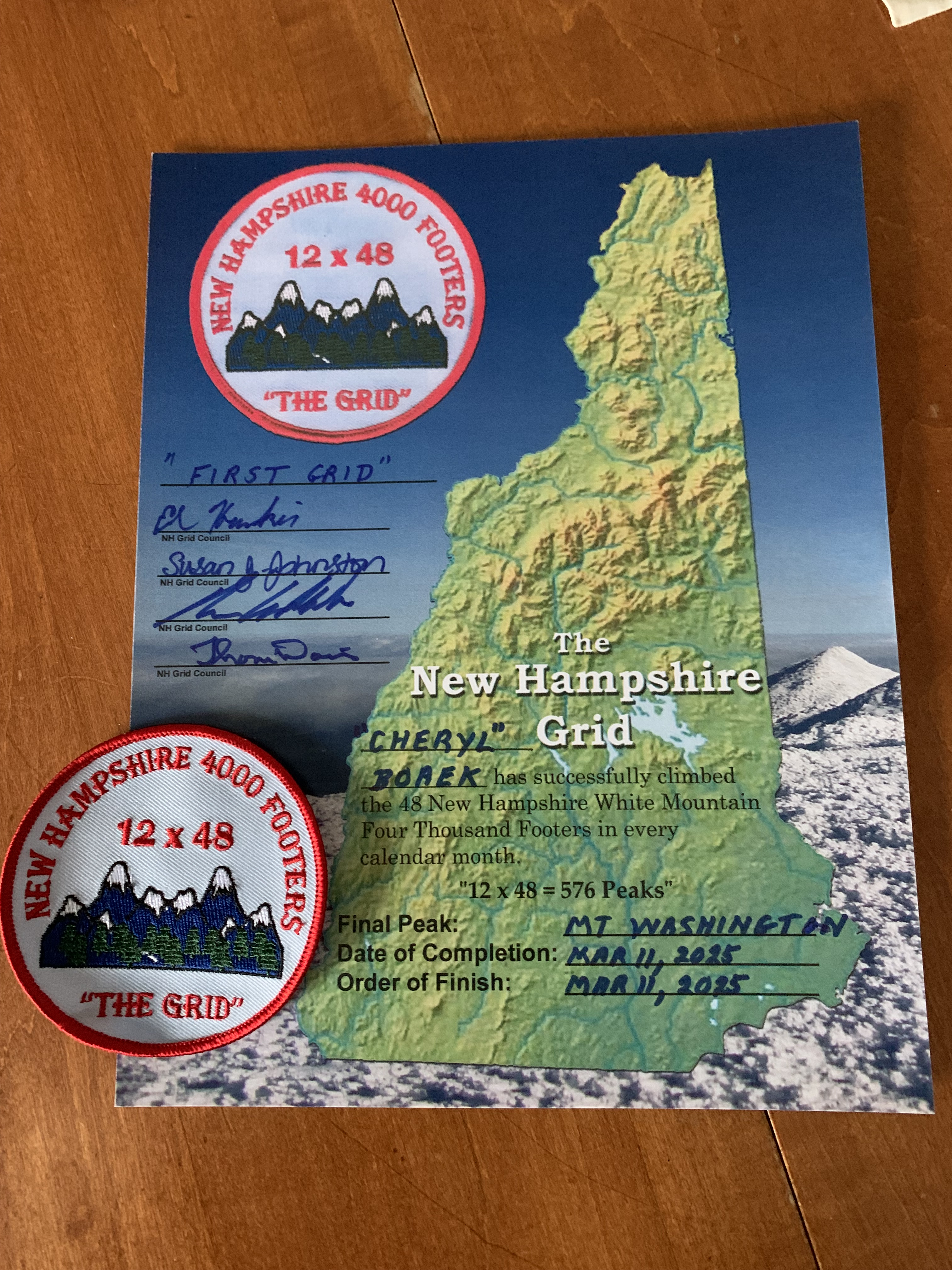
There was nothing particularly disguishing about it. Were you to try to fathom its contents, the only hint of its import was the sender, a name synonymous with hiking in this part of the world: Ed. Keeper of all things Grid.

My scroll had arrived!

It almost felt like, longlong ago, when you were waiting for word from your number one college choice, hoping the letter would come, hoping it would be today, hoping it would be fat.

Though just a piece of paper, this scroll (and related bling) represented to me the years I have been privileged to walk day and night, through sunlight and starlight and every changing season, over the four corners of the wild. (Psalm 74, loosely quoted)

It feels good to be a member of this club, whose current members number less than 200. But although I am happy about this milestone, the real essence of the Grid was the deep repair it worked in my heart over the footfalls, over the peaks, over the years and years of dancing in the sky.

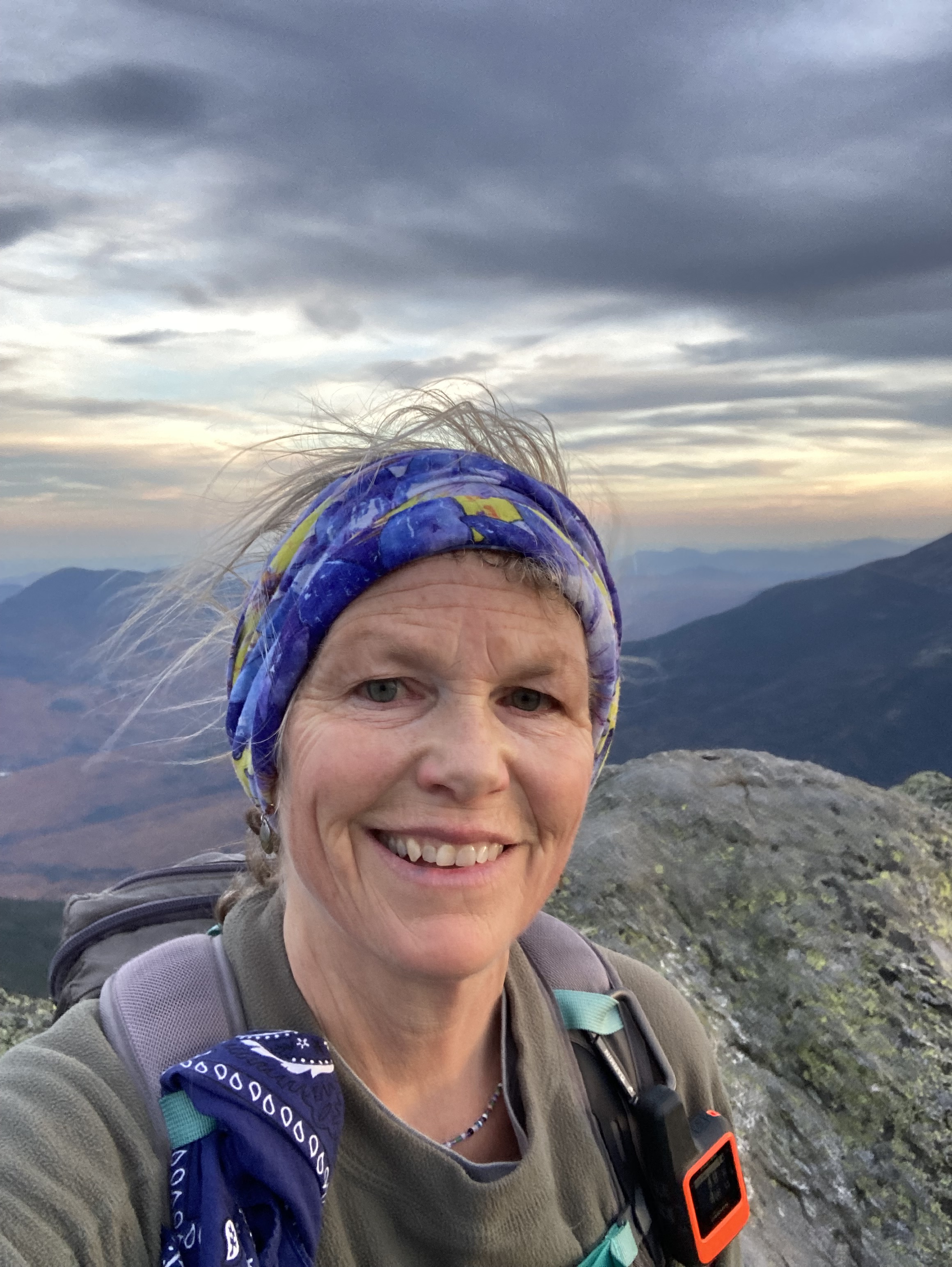
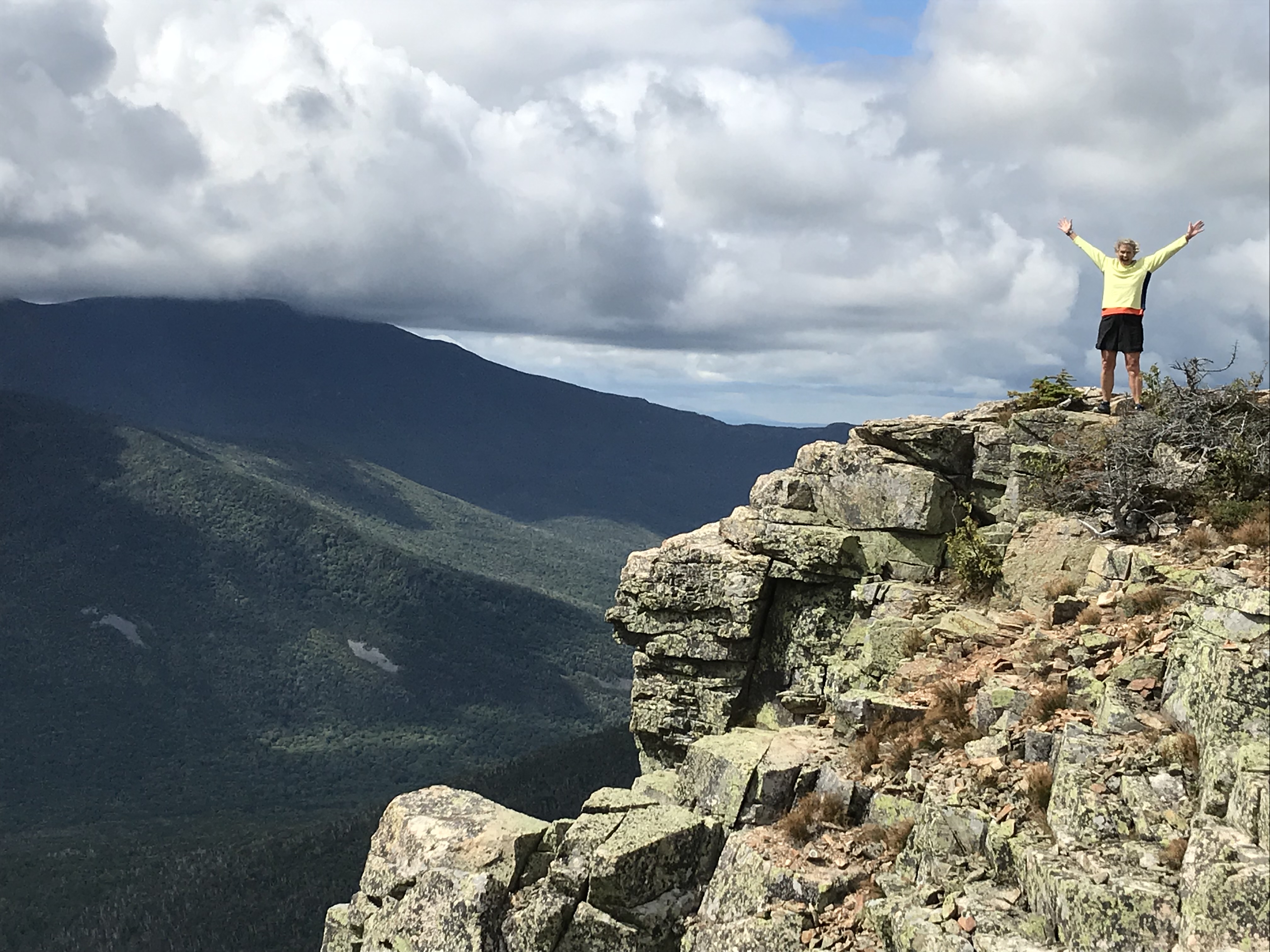
Bondcliff, October 2019

Untethered and soul-starved, I needed something to laser my focus.

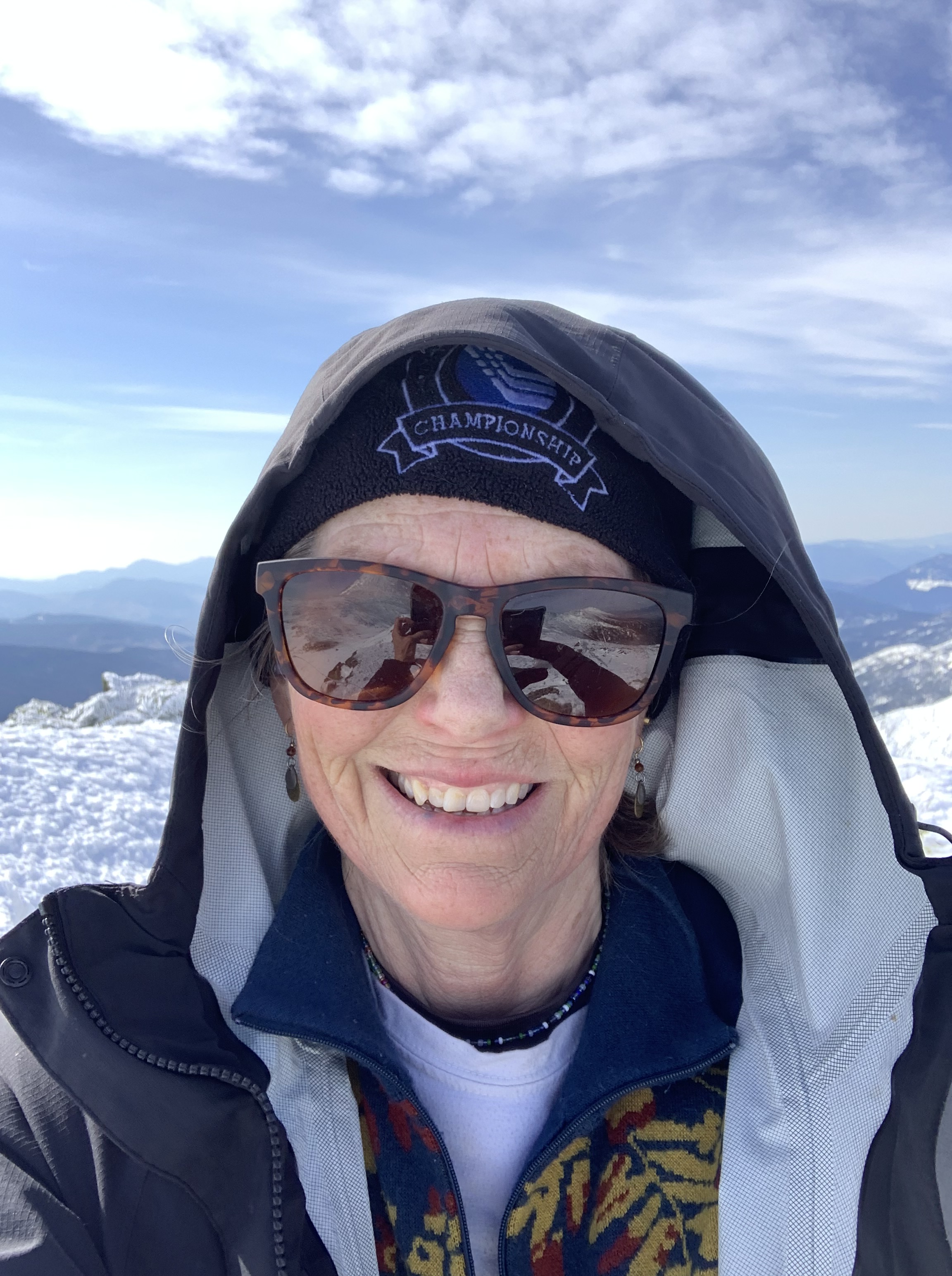
Last ascent of Madison, March 2025

Up high, I didn’t mind feeling small; in all that expanse, I never felt alone.

There was simply too much beauty, too much wildness, too much of the forensic hand of the Creator softly shaving the edges of my loneliness until all I wanted was to be up there, with Him.

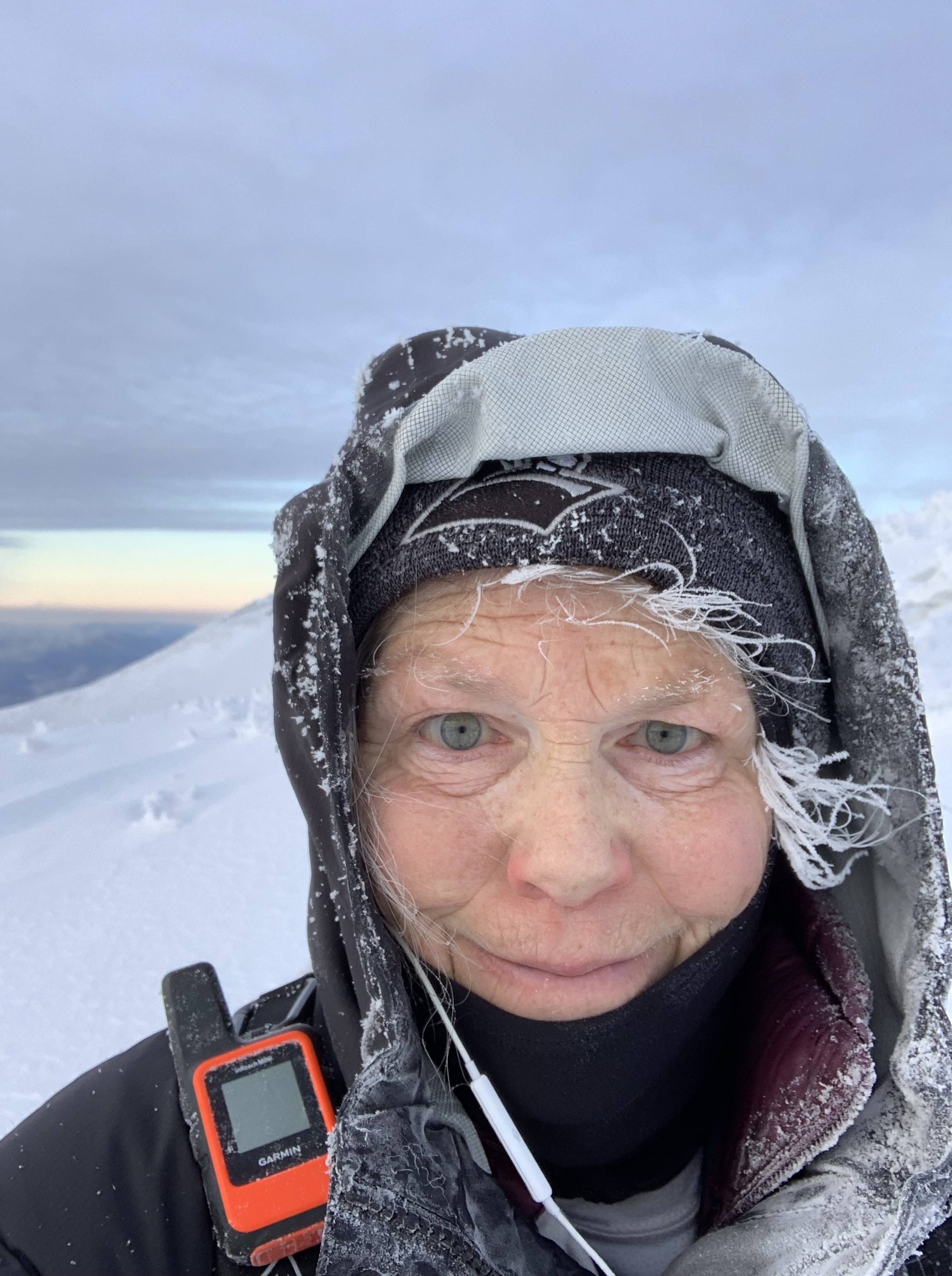
Franconia Ridge December 2023, negative double digit windchill

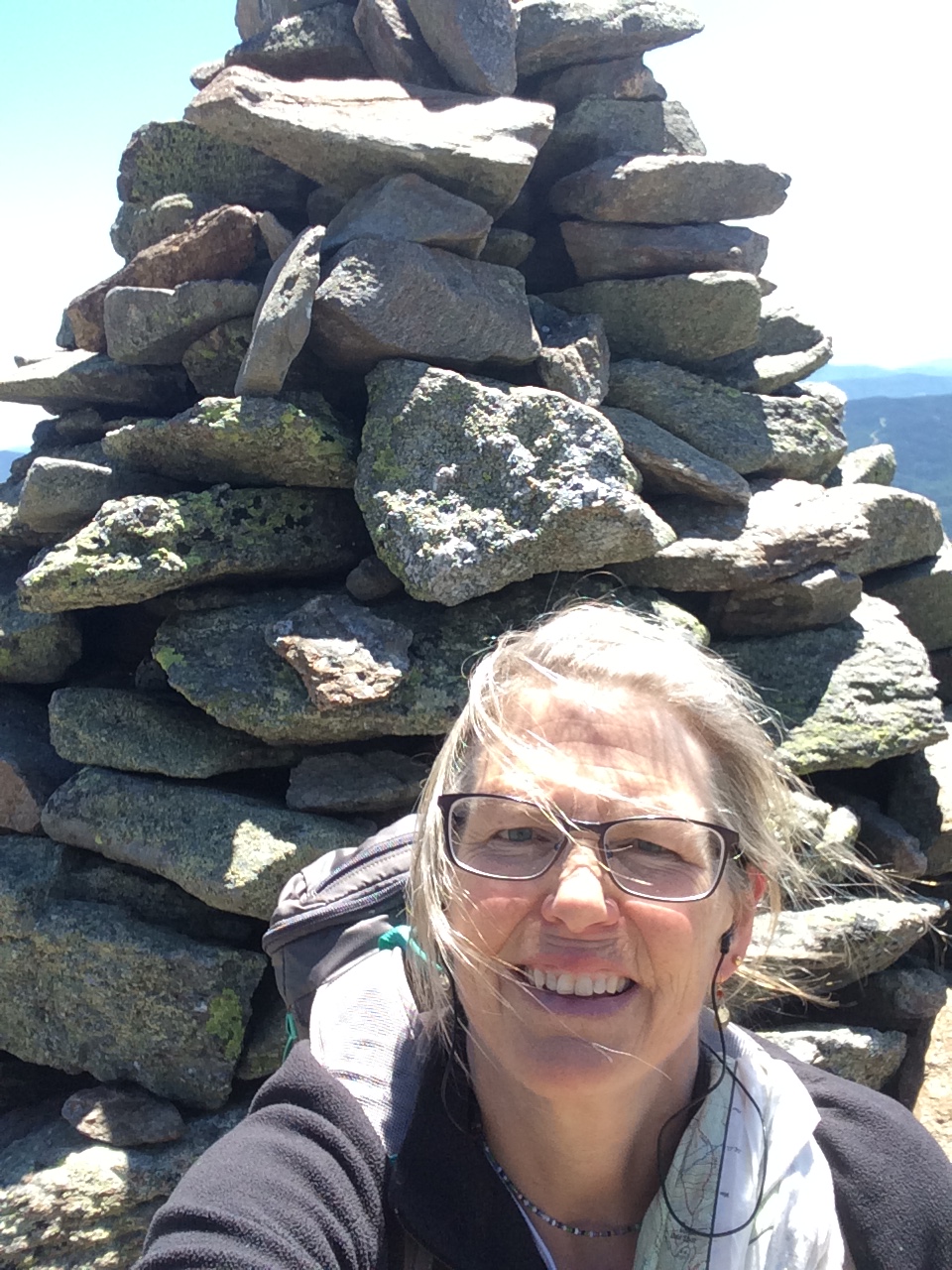
I started counting peaks back on June 21, 2018, on Mt. Washington, a stroll up Lion’s Head and back down through the Alpine Garden.

I finished on Washington, as well, on March 11, 2025, though this wasn’t planned. The weather in 2025 held me anxious and stressed, wanting so badly to finish but also wary of what could happen should I decide poorly. Washington waited for last.

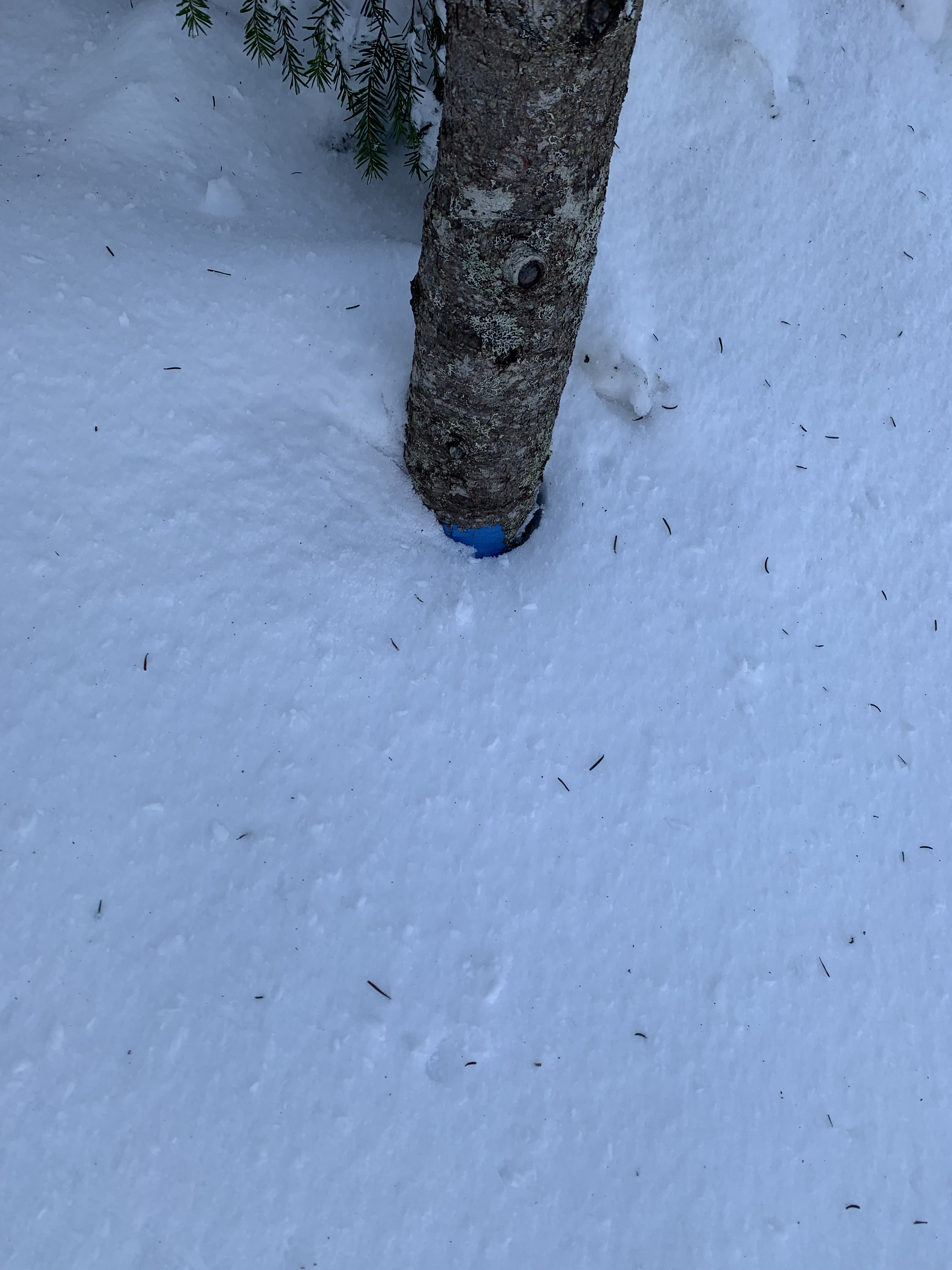
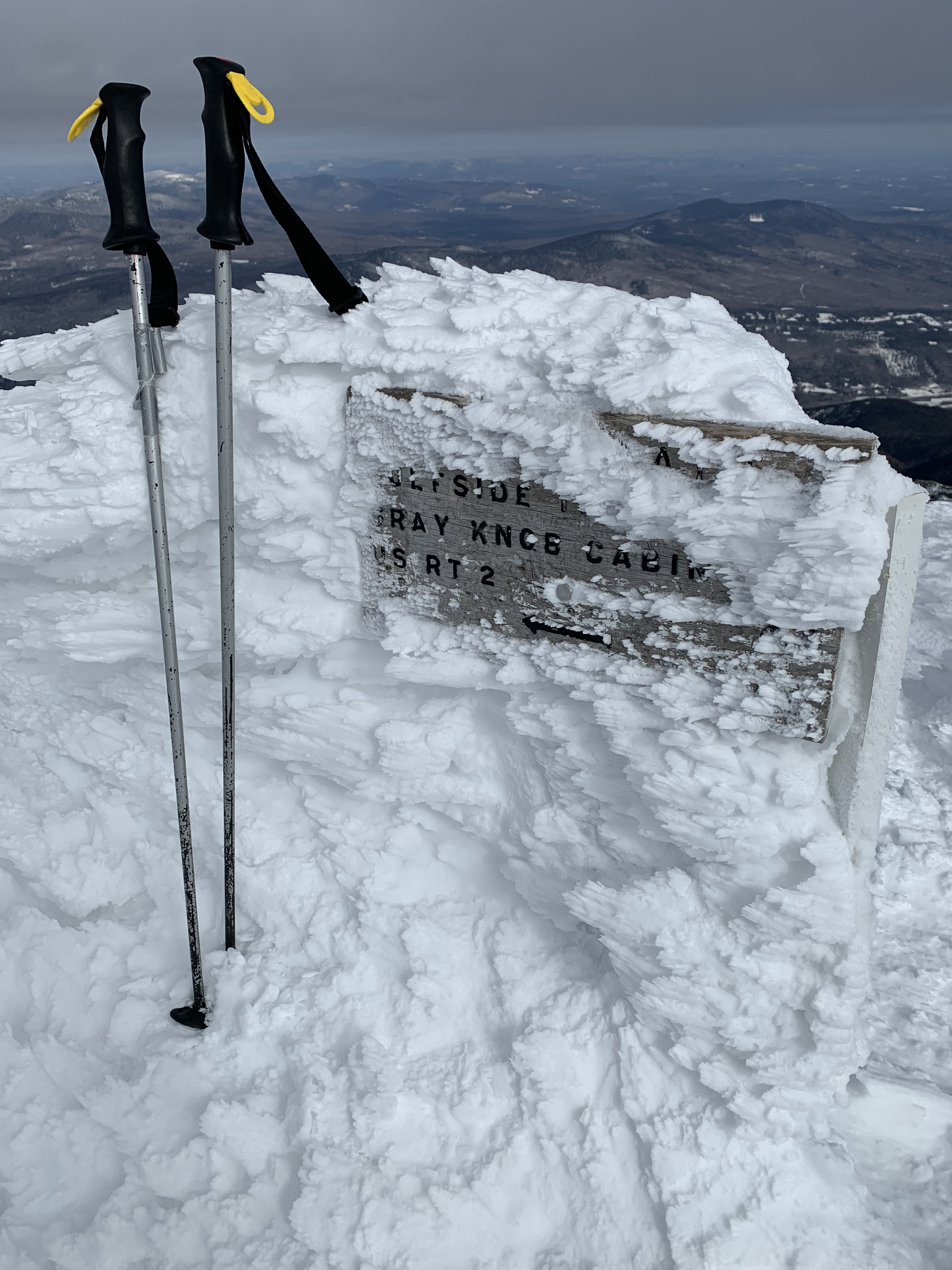
Depth of snow on Jewell Trail, last ascents of Monroe and Washington

Weighty things take time. Like loss, like grief, or even faith, you don’t need to tackle it all at once. In fact, you can’t.

Cannon Mountain, September 2018

I remember driving up the access road in 2020 to the trailhead for Mt. Carrigain. It was only my second time, and I remember wondering how I was ever going to do this hike in the winter, when the access road was closed, adding almost 6 miles to an already long day. I wasn’t sure I could.

Carrigain, New Years Day 2024

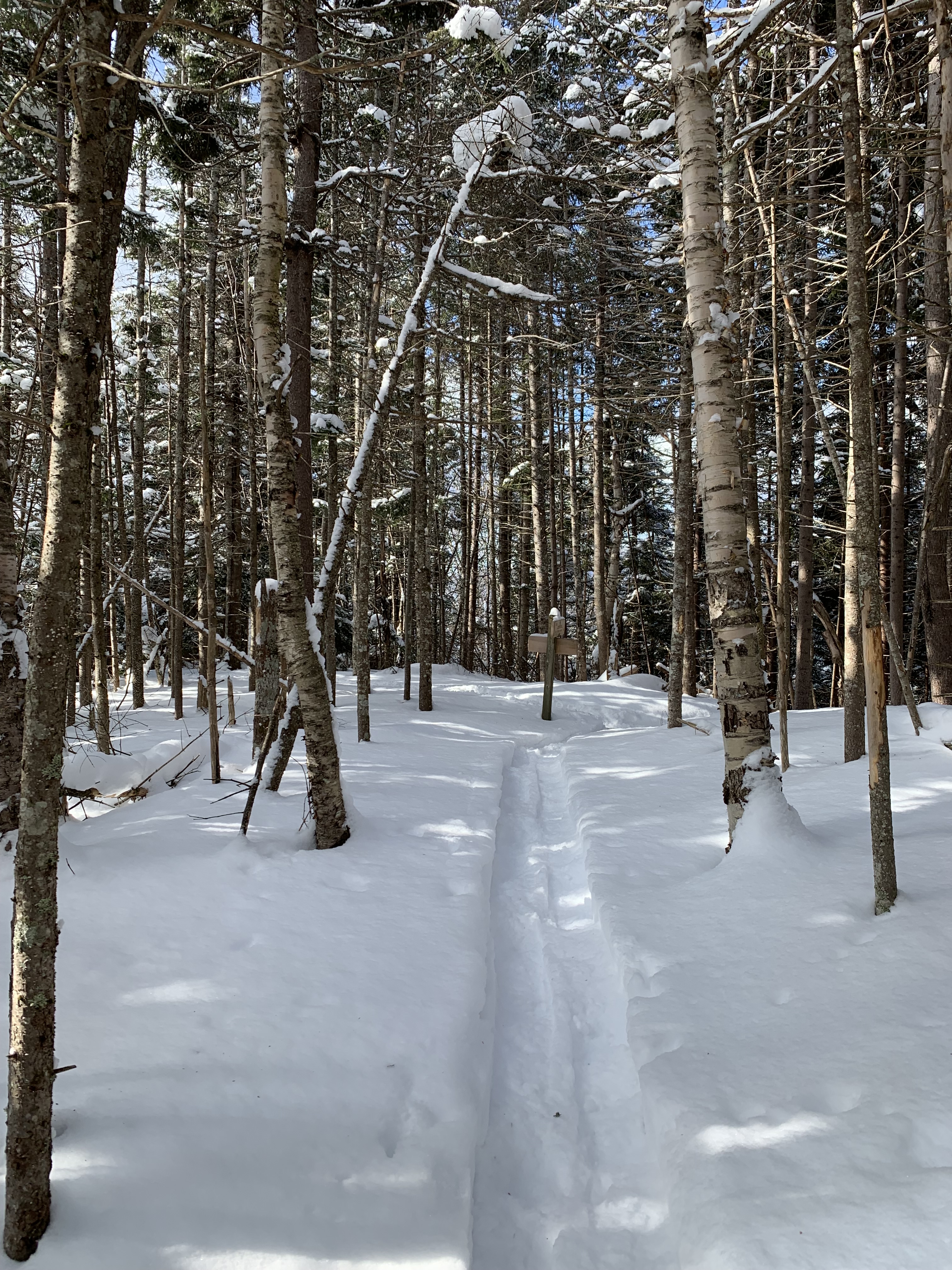
But as I ventured further and further into the woods, as my experience grew and my fear abated, I found that though we might want suddenly, it is gradually that is often wiser, more humane.

Trekking pole showing depth of the snow on last ascent of Owls Head, March 2025

His hand is slow, but it’s never late.

Approach to North Kinsman, April 2021

So many things happened in all those years, the physical ones easier to measure.

In the 7 years and 9 months it took me to Grid, I went through: 8 pairs trail runners, 4 pairs hiking boots, 4 sets trekking/ski poles, 2 pairs rain pants, 3 rain jackets, 2 day packs, 2 winter packs, 2 pairs snowshoes, 1 phone, 1 car, and more water bottles than I could count. (It took me awhile to figure out how not to drop them. Sorry, LNT).

Wildcat Ridge Trail, September 2023

I had a favorite sweater that went through each washing like a champ and never smelled.

This one, above, from Title Nine, on Moriah, September 2023

A buff my daughter gave me, which always made me think of her when I put it on.

Madison, October 2022

It didn’t necessarily help with the hair, but up there, I really didn’t care.

Post an Adams/Jefferson out and back, September 2020

Eisenhower, April 2021

Last trip out to Jefferson, March 2025

There were people, so many people, along the way. My kids, who watched out for me, via text, on every peak. Lori Hall, who first told me about the Grid. Philip Carcia, the wolf of the Whites, whose encouragement and support meant the world. Georg, legend, whose advice was always gold. Brooke and Lad, who let me join them midway through a Bond/Zealand traverse and gave me a ride back to my car. Summerset, who also came through in a similar way. Numerous groups of Holderness students on their Outback program, reminding me of the son who once did the same.

Online friends who heartened. You, reading now. Aggie and Donna and Melissa, always in my corner. Ed Hawkins, of course, for managing all of us Gridiots.

Zealand with Brooke and Lad, March 2024

I did all the peaks solo except for one traverse of the Bonds, with Carolyn, and a Carter/Wildcat traverse with Timothy, my old hockey coaching partner. I’ll probably replace those hikes later this year just to say I did them all alone, but I’m thankful for the fun we had on those hikes. Their company was sweet.

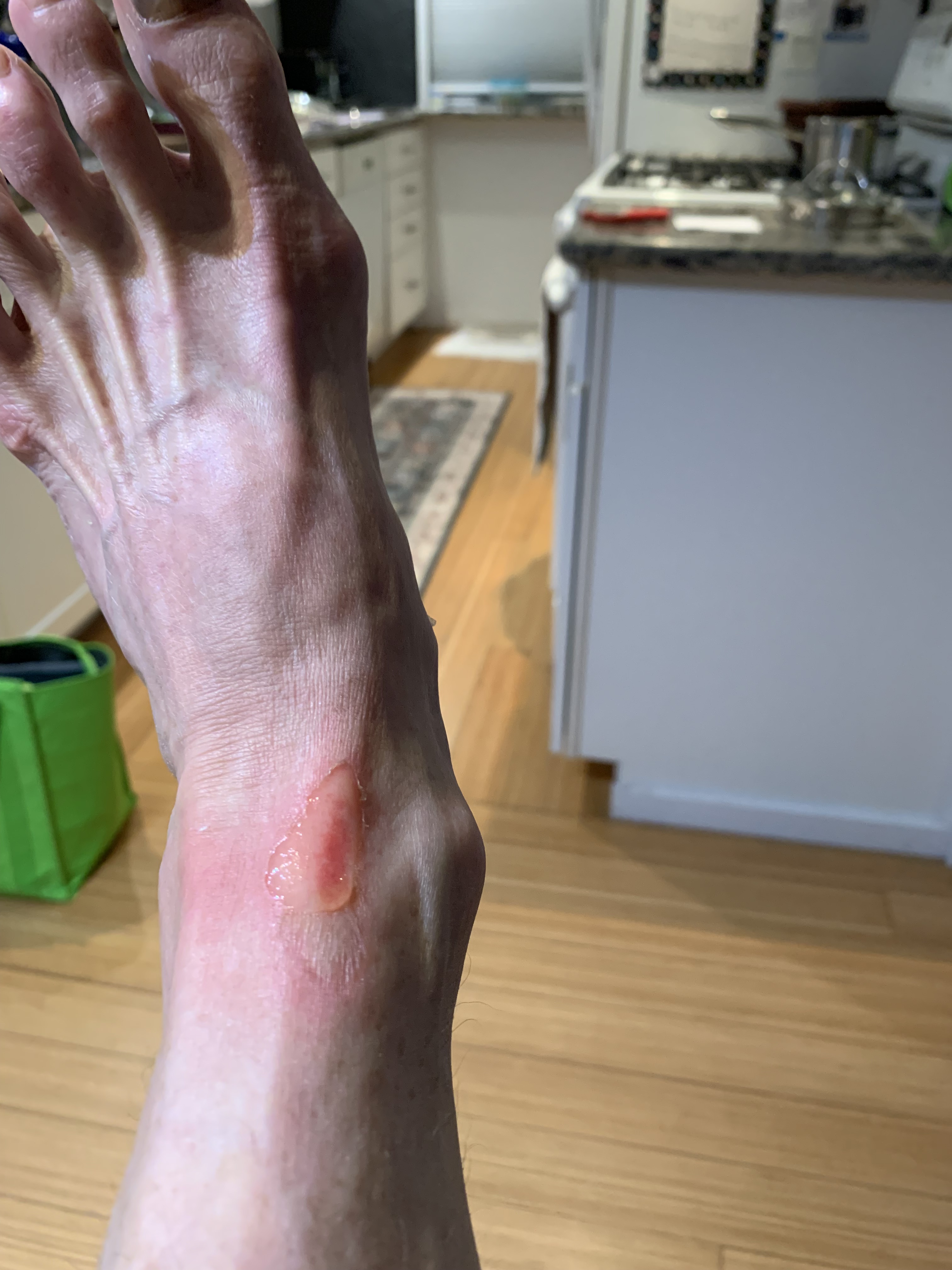
Mishaps occurred, as they often do. Broken bones, bruises, bonks on the head from ice-laden branches, scratches and sticks and blisters galore. Toenails went missing. Once, I burned the top of my ankle with a toe warmer on a bitter cold day on the Bonds.

Ouch

Why it burned one side but not the other I cannot say, but the scar persists.

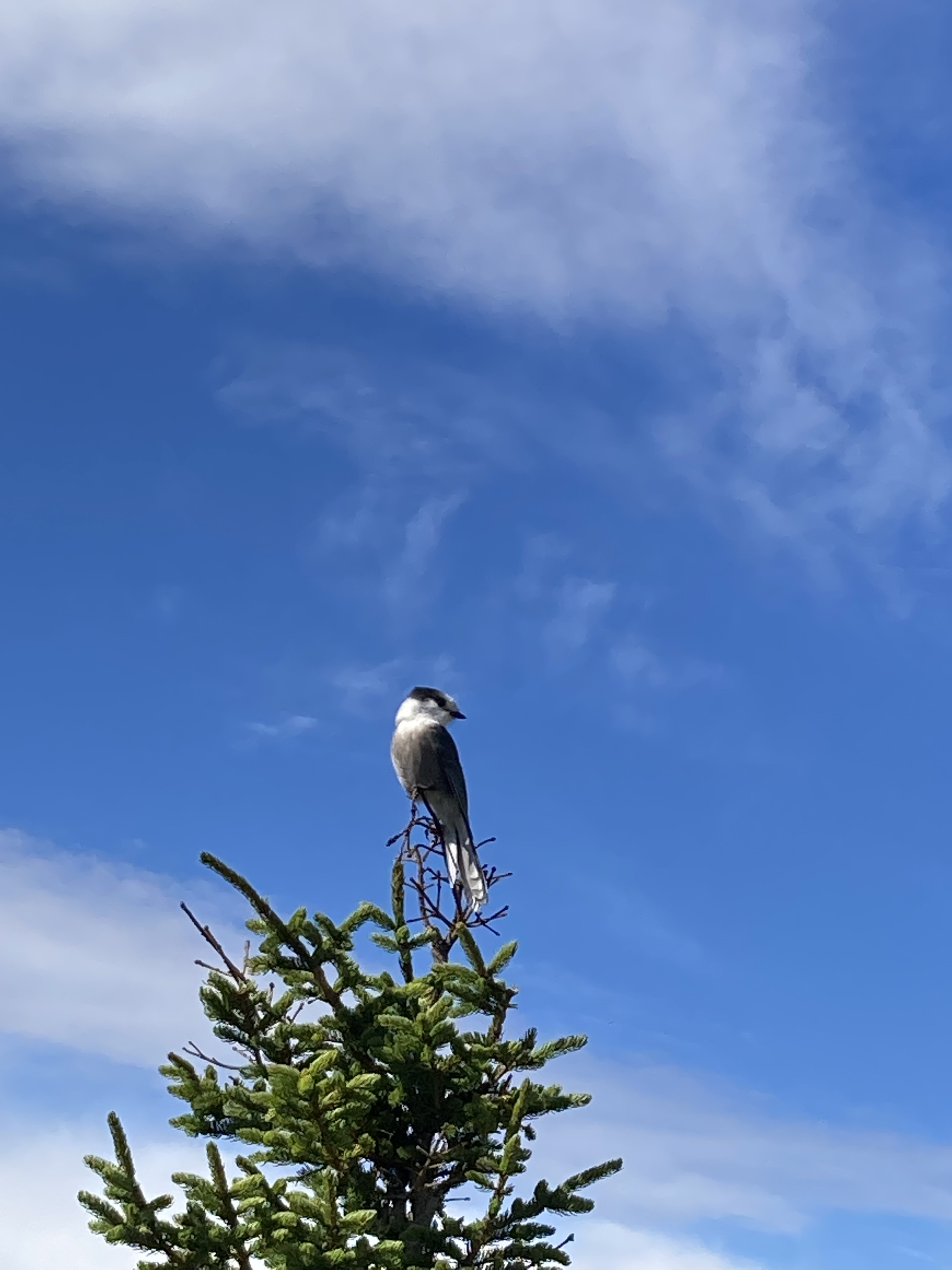
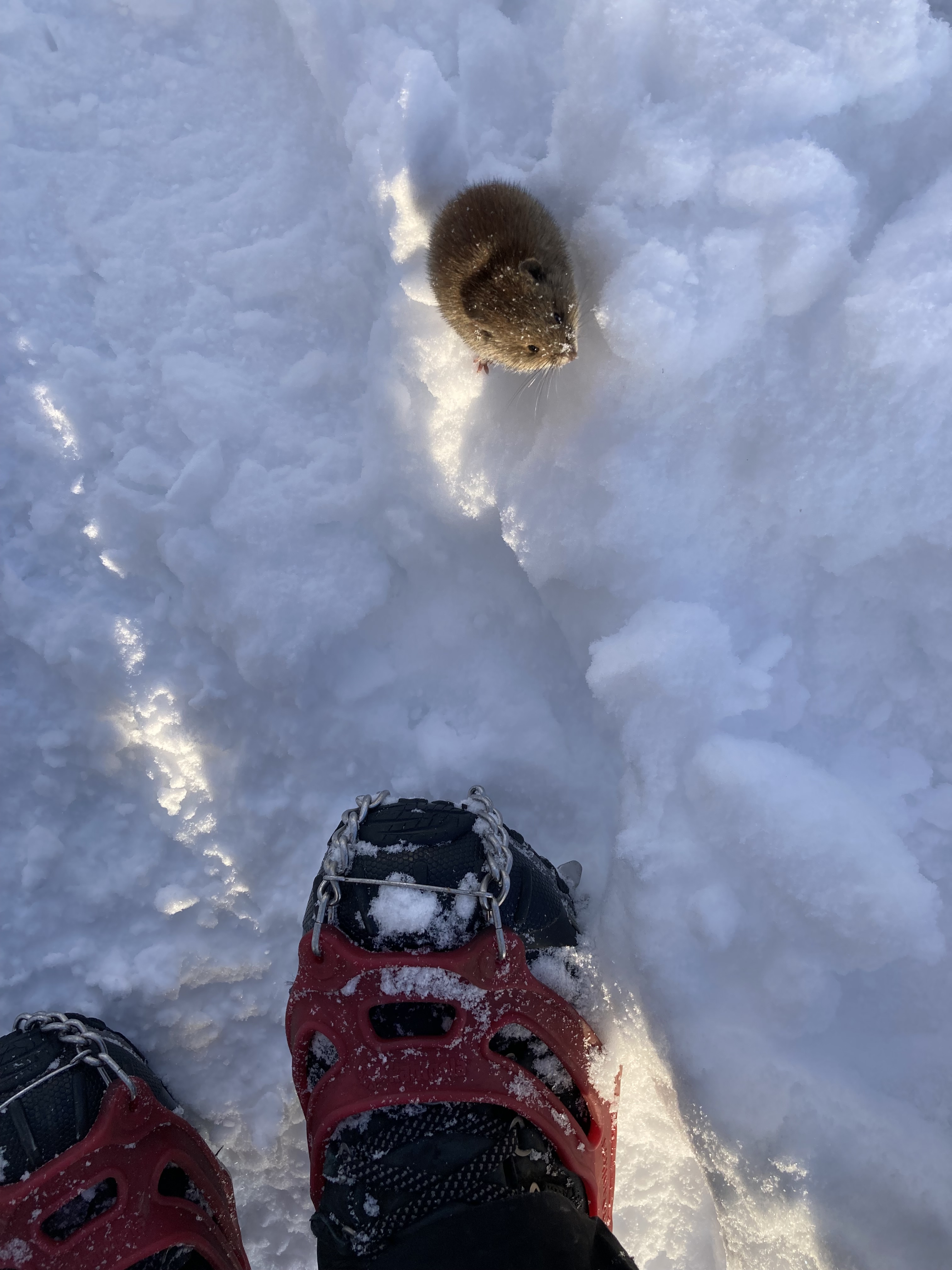
There were lots of animals, mostly birds, but one moose on Isolation. A mouse, strangely, on Lafayette, the day before that same hike would claim the life of 19 year-old Emily Sotelo in November of 2022.

What are doing up here, little one?

When I started to Grid, there was so much I didn’t know. So much I still don’t.

Last ascent Adams, March 2025

Jackson, May 2021

My gear currently sits in a crate on the porch. I’m a little tired and need a break from constantly checking the weather, my schedule, the snack cabinet, a list.

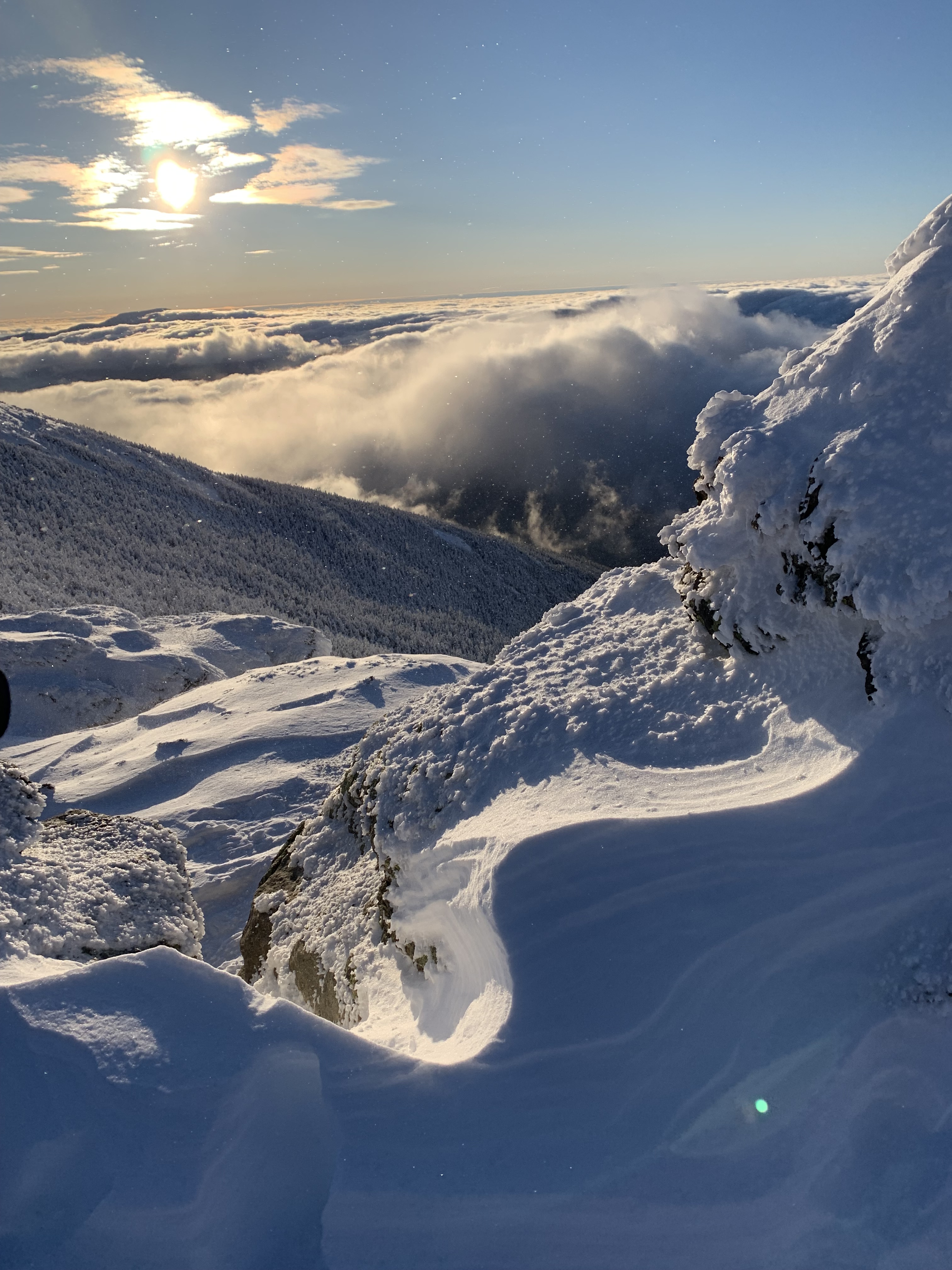
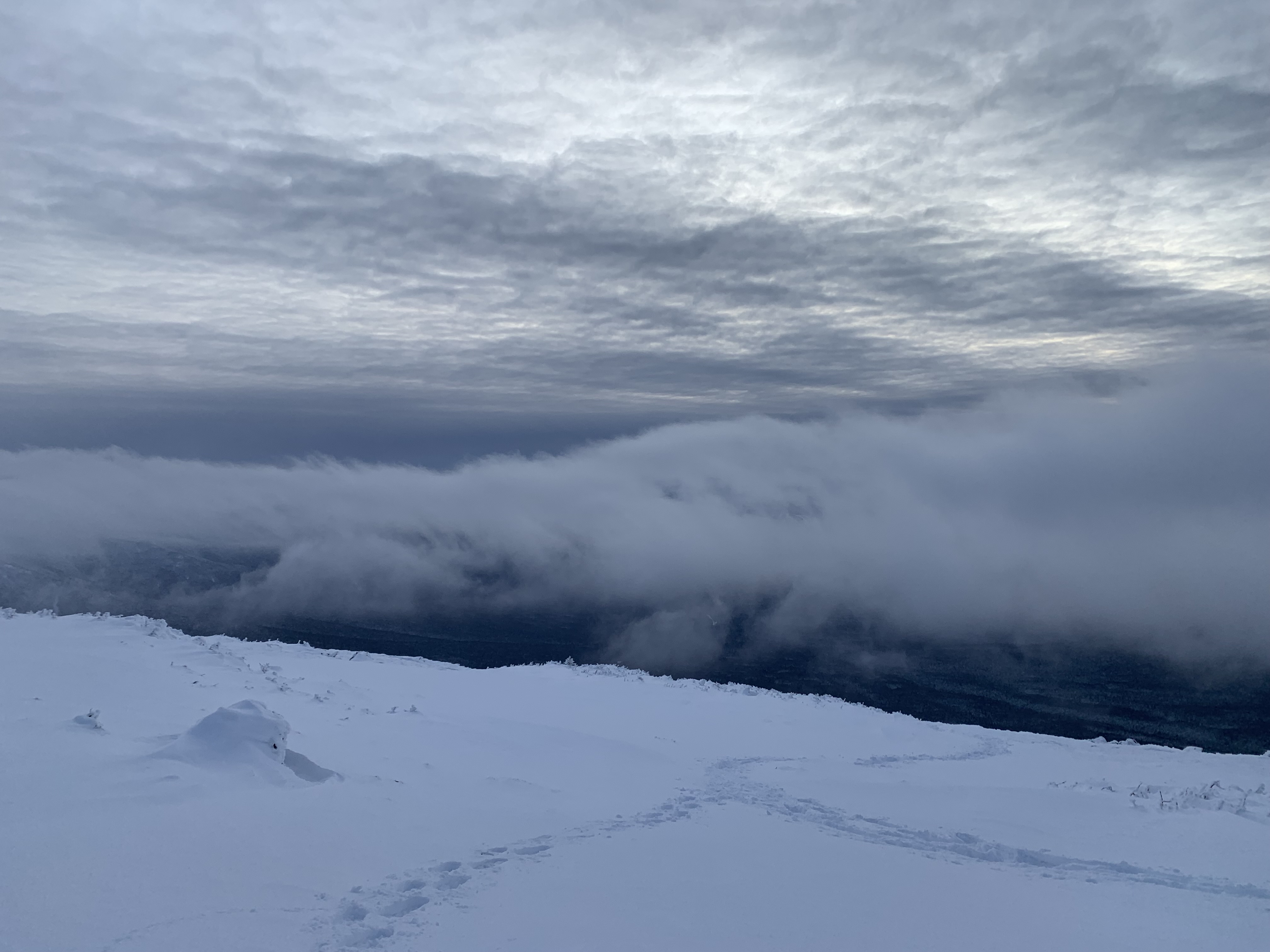
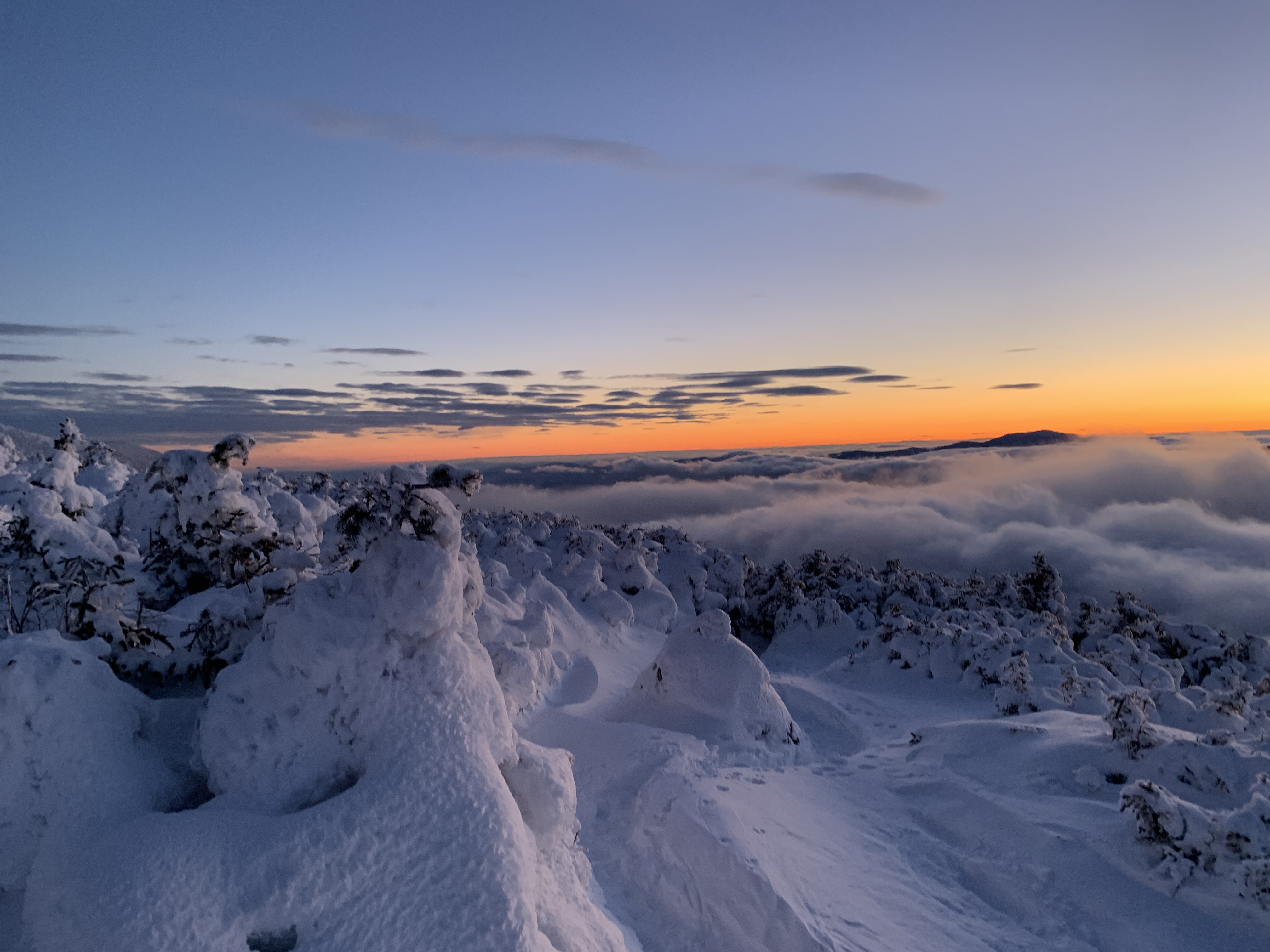
Clouds over the Gulfside Trail, February 2025

I hope to keep hiking a long, long time.

Up high, there’s a peace I find nowhere else. A closeness to my son, my mom and dad, the ache not absent, but assuaged.

November 2022 on South Twin

No step is ever wasted as we steer toward eternity.

Wild and wonderful is this world you have made. (Psalm 104:24)

It has been an honor to have trod its paths.

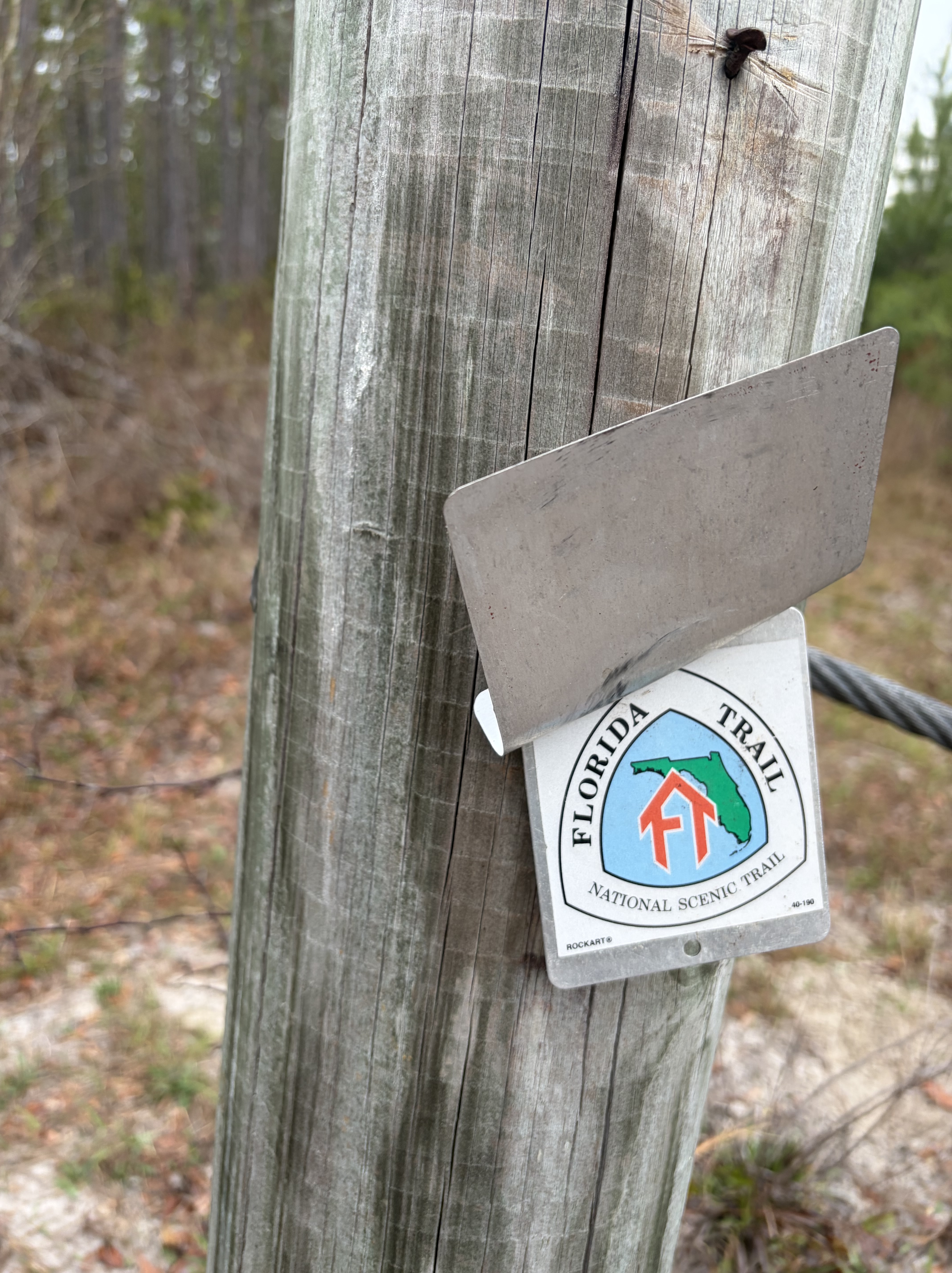
Sunshine State

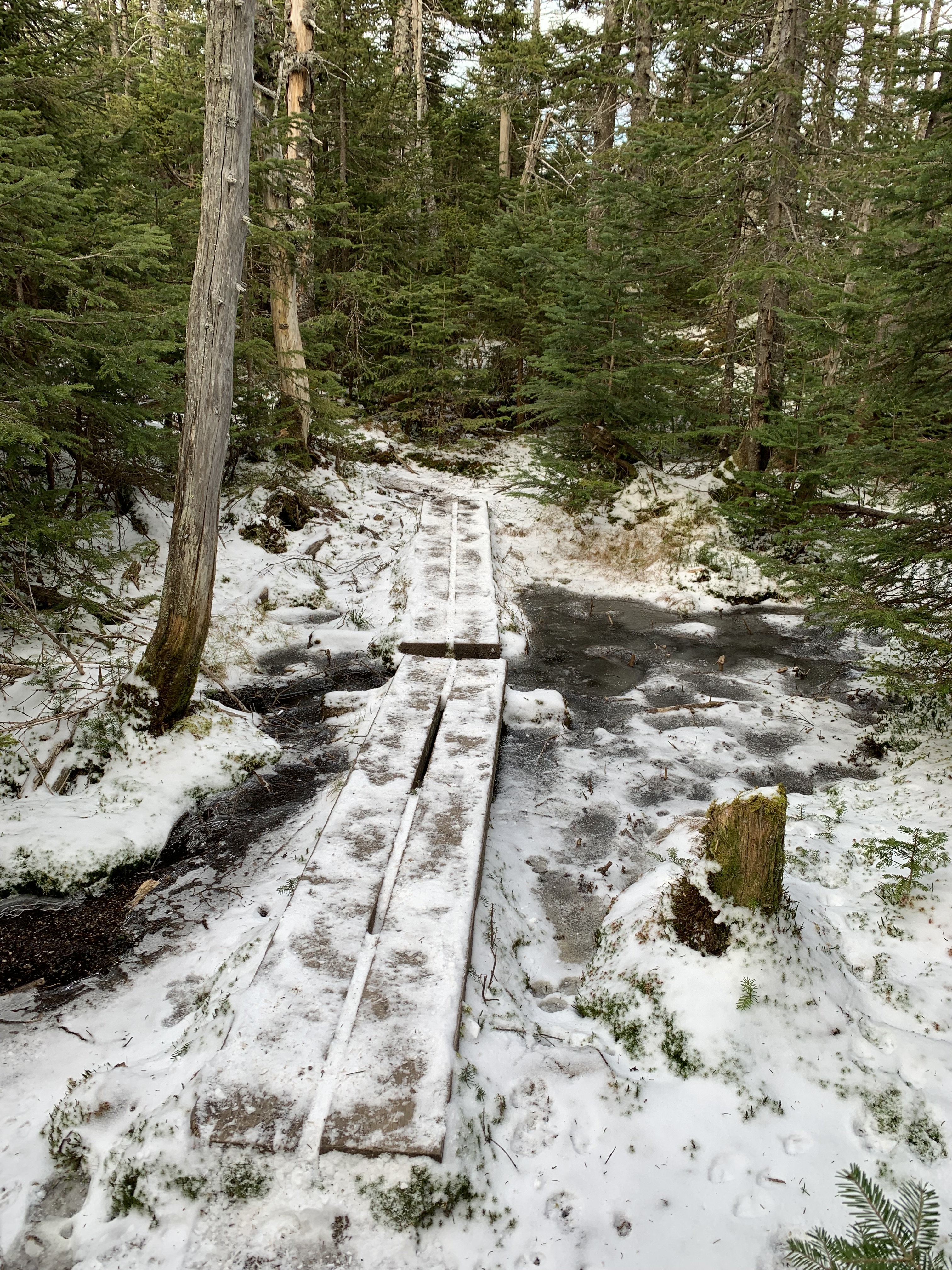
This winter was rough.

The weather conspired at every turn to keep me from the northern mountains, from finally finishing a hiking list I’ve been working on since June of 2018 (more on that in a future post). When that magic moment came at last, my March break had shrunk, leaving me with only a little over a week to escape to Florida and walk another section of its iconic trail.

The clock was ticking.

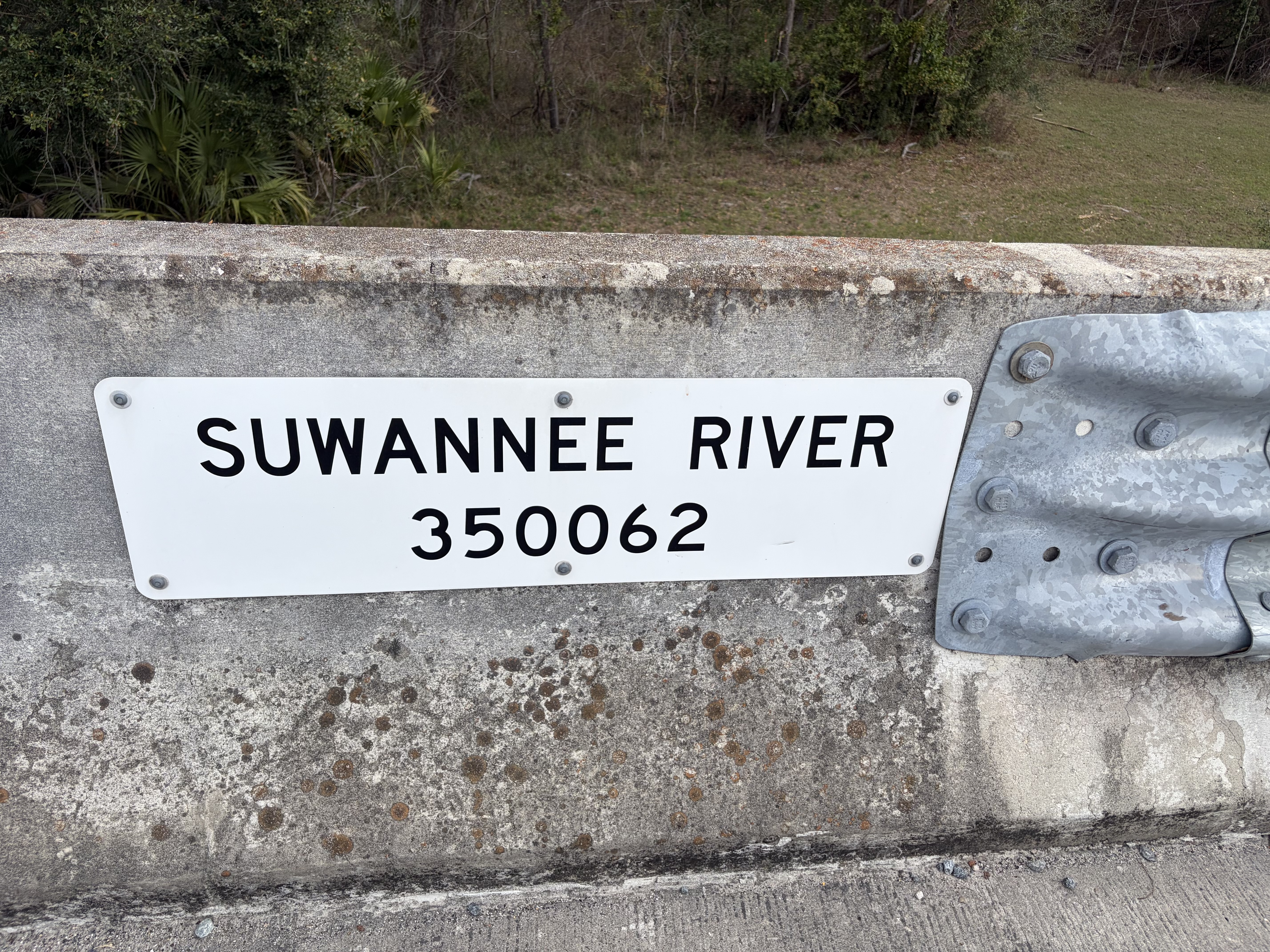
Further complicating matters was, not surprisingly, more bad weather, this time rain storms north of the Suwannee River. The trail alongside was flooded again, and I had to scramble to find another section, somewhere to park my car safely, and a trail angel to give me a ride.

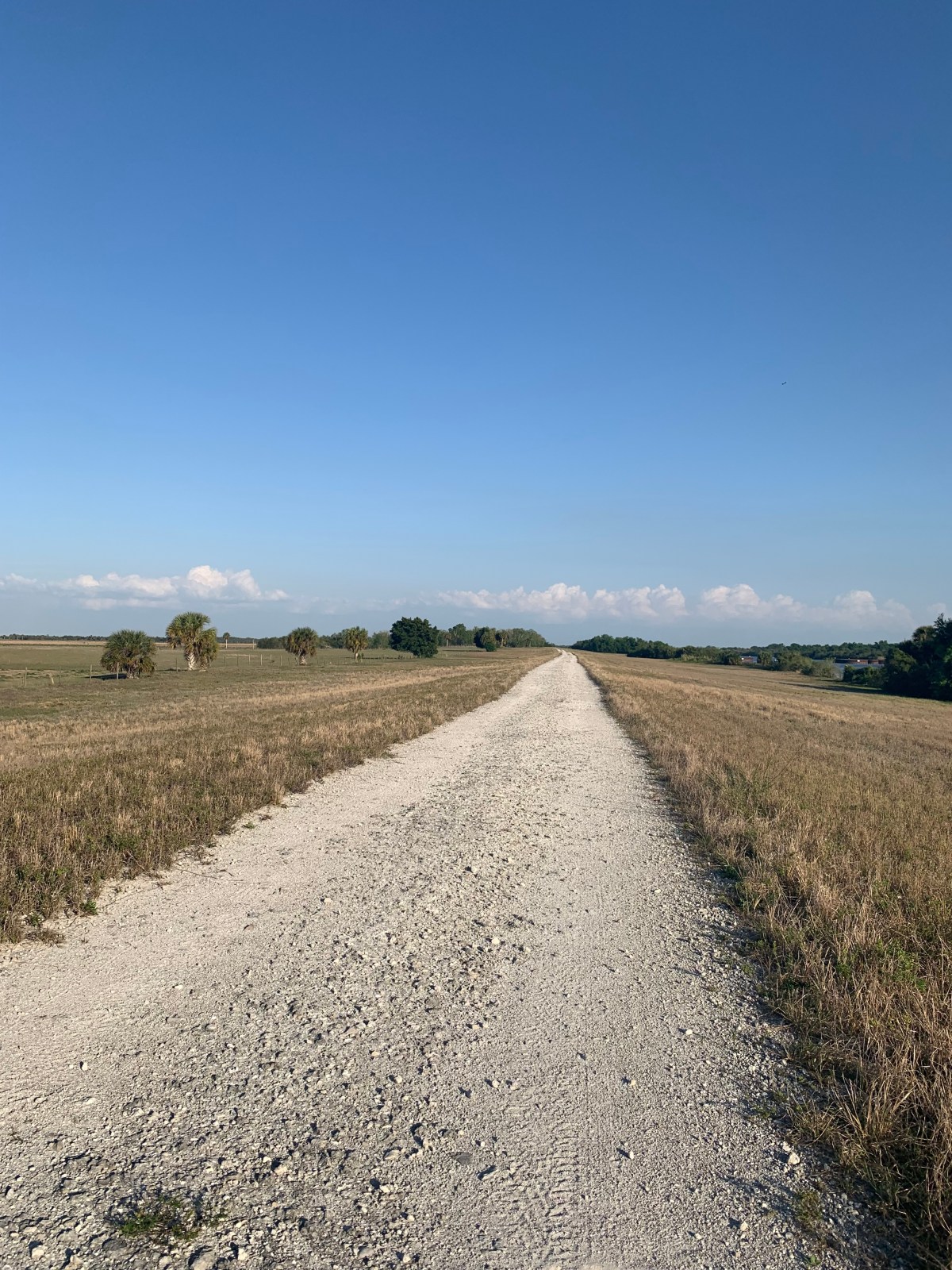
I had long anticipated walking the southern levees of the Florida Trail; pictures I had seen showed long, flat, dry stretches of trail running next to canals and lakes bathed in the glorious glow of a benevolent sun. Sick of winter, this seemed like the perfect option: maps were gathered, details confirmed, items hastily thrown in pack and car.

It was time to head south.

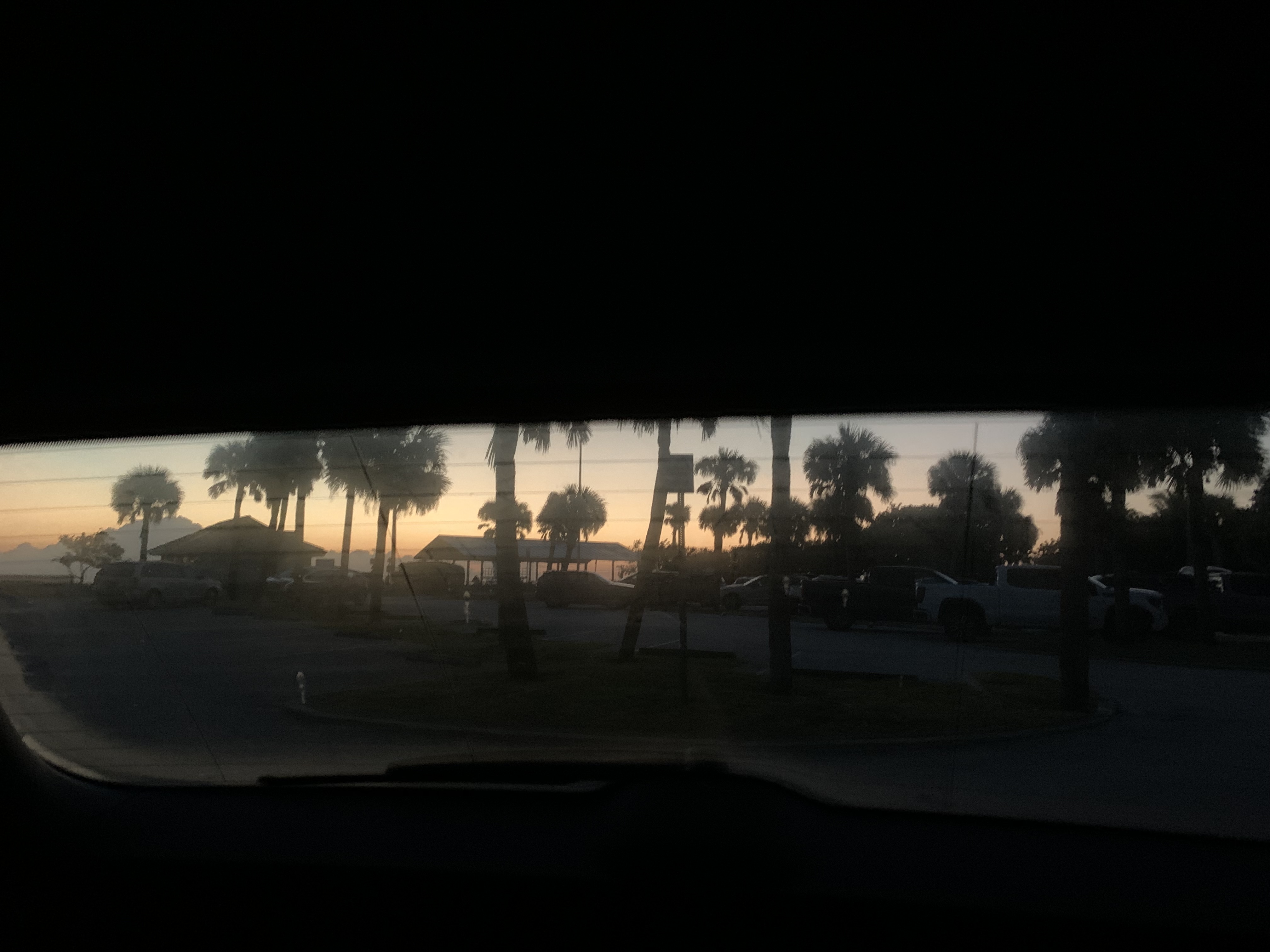
I spent the night before hitting trail in my car at Hobe Sound Beach; waiting for Darby, the trail angel giving me a ride, I joined other early risers catching the colorful sunrise.

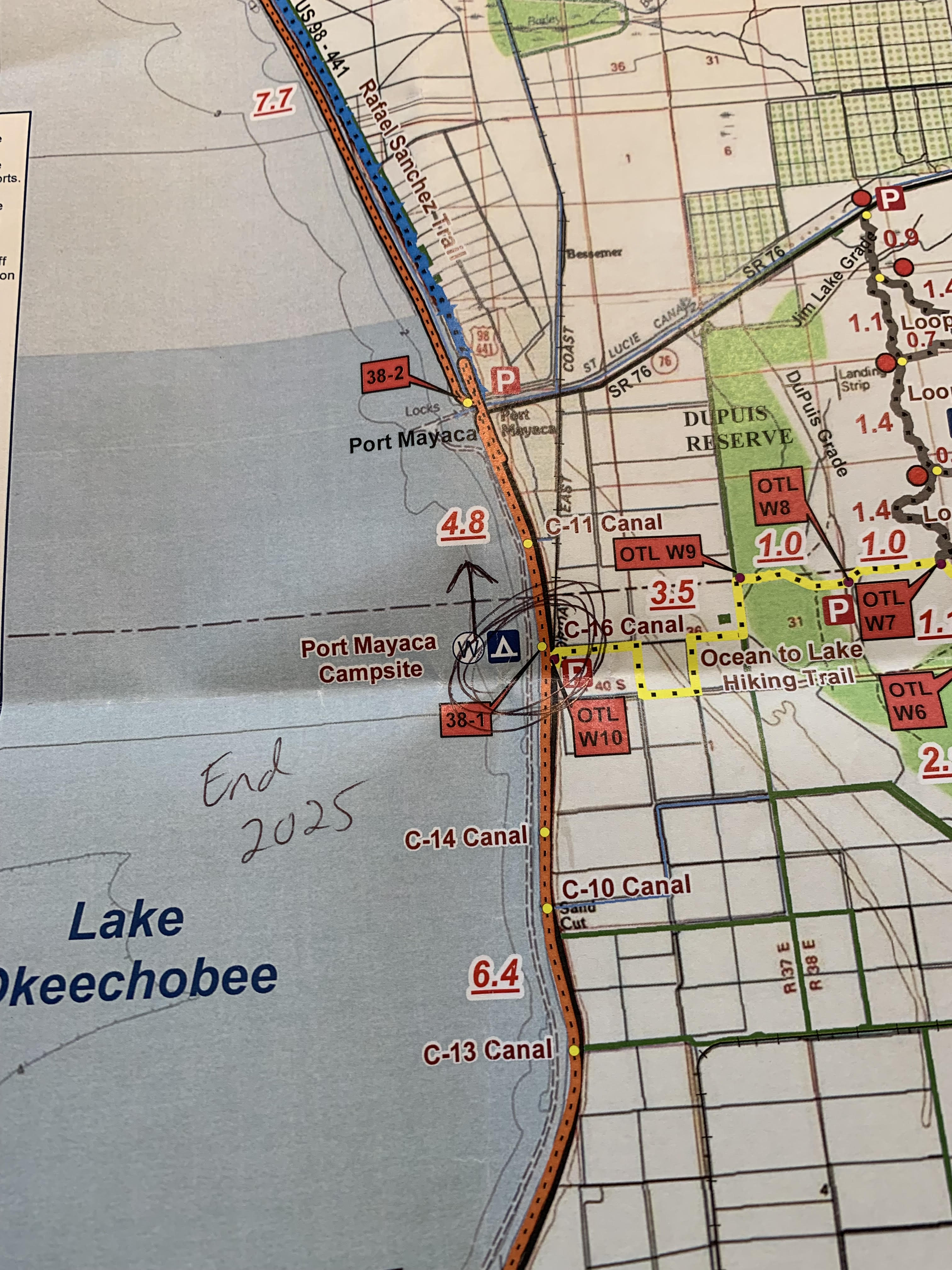
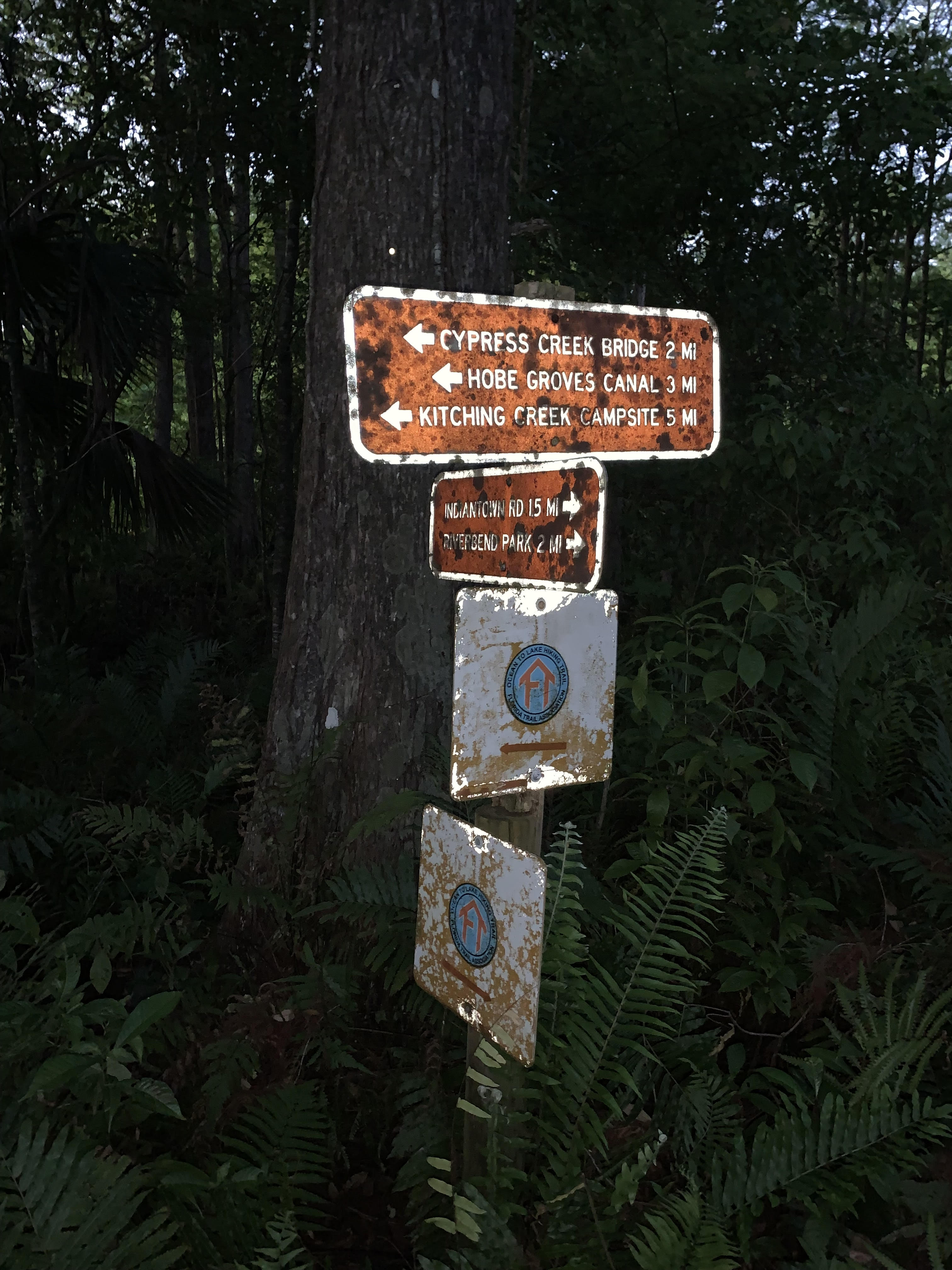
Hobe Sound Beach is the eastern terminus of another, shorter Florida trail called the Ocean to Lake Hiking Trail. My plan was for Darby to drop me off 110 miles north/west of this terminus and walk back on 50 miles of Florida Trail, then join the 61 miles of Ocean to Lake where its western terminus intersected with the FT at Lake Okeechobee. I was already planning on a celebratory hop in the waves in five days time.

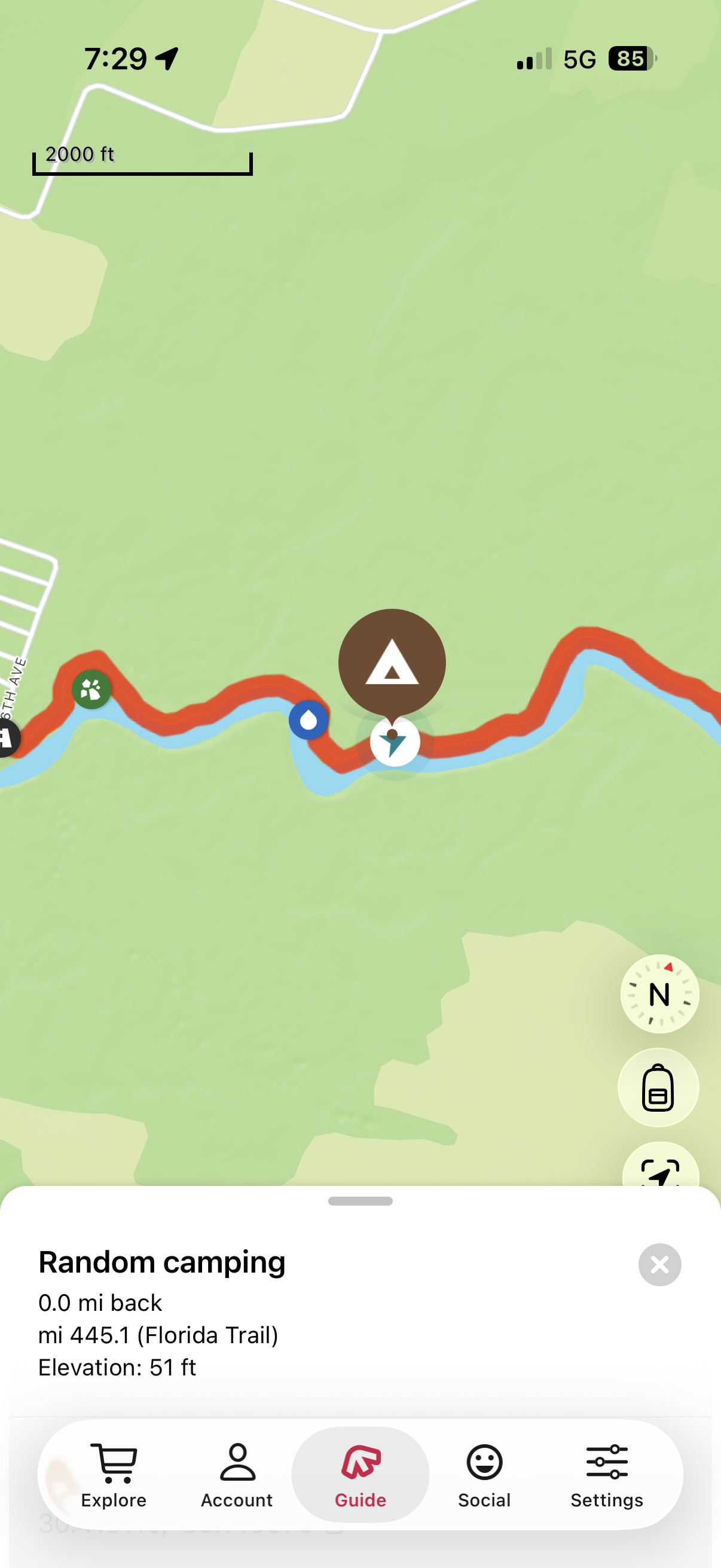
Because I had patched my itinerary together so quickly, I hadn’t really had time to study my maps or the FarOut app to glean what was to come. Blissfully ignorant, I waved good-bye to Darby at the intersection of US Route 98 and NW 144 and started walking.

Yikes.

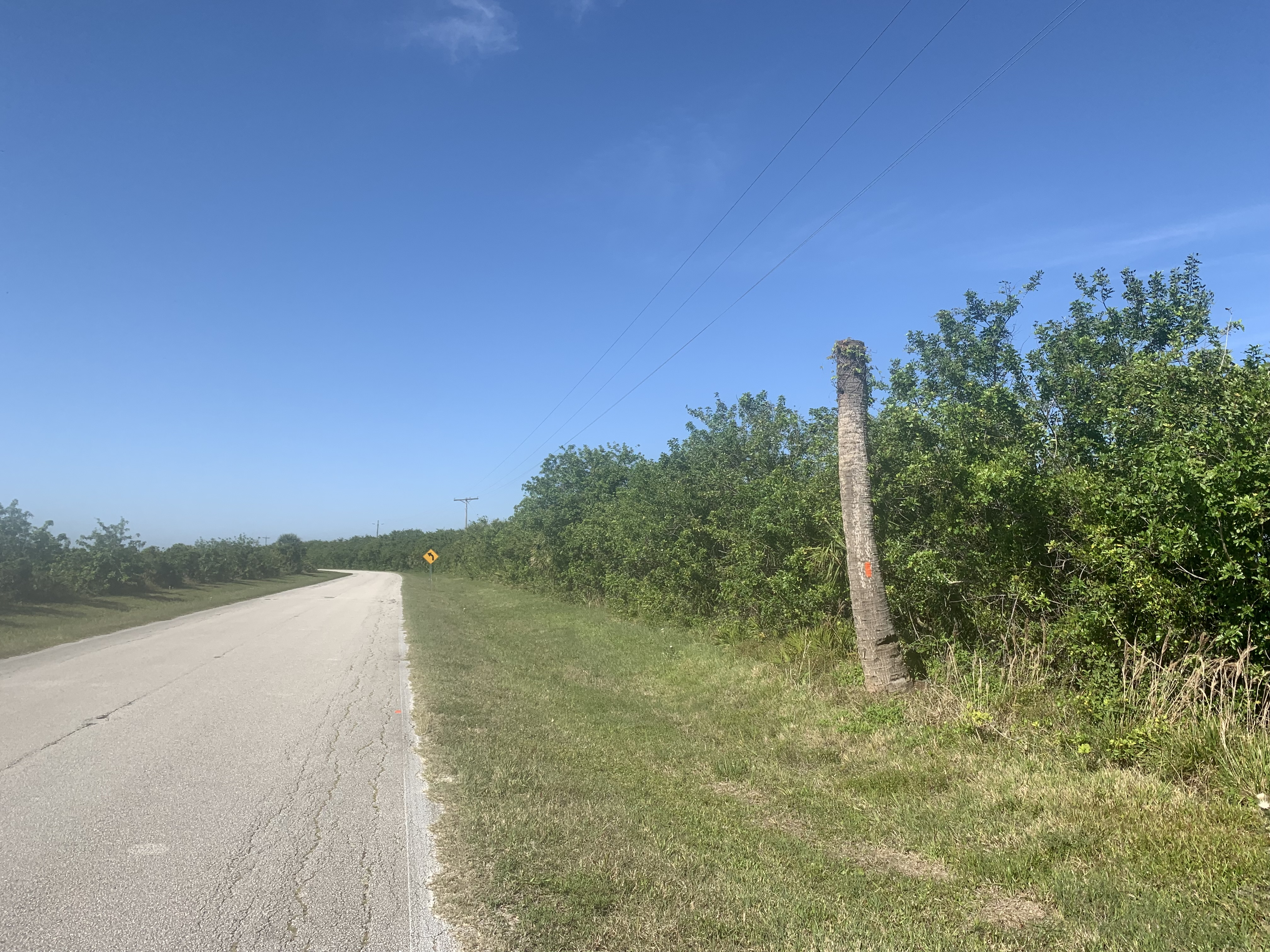
There was no shade anywhere. Road, field, and eventually the canal levees were all fully exposed with few places to duck out of the heat along the way. It was a barrage, a state of constant sunshine I could not outwalk.

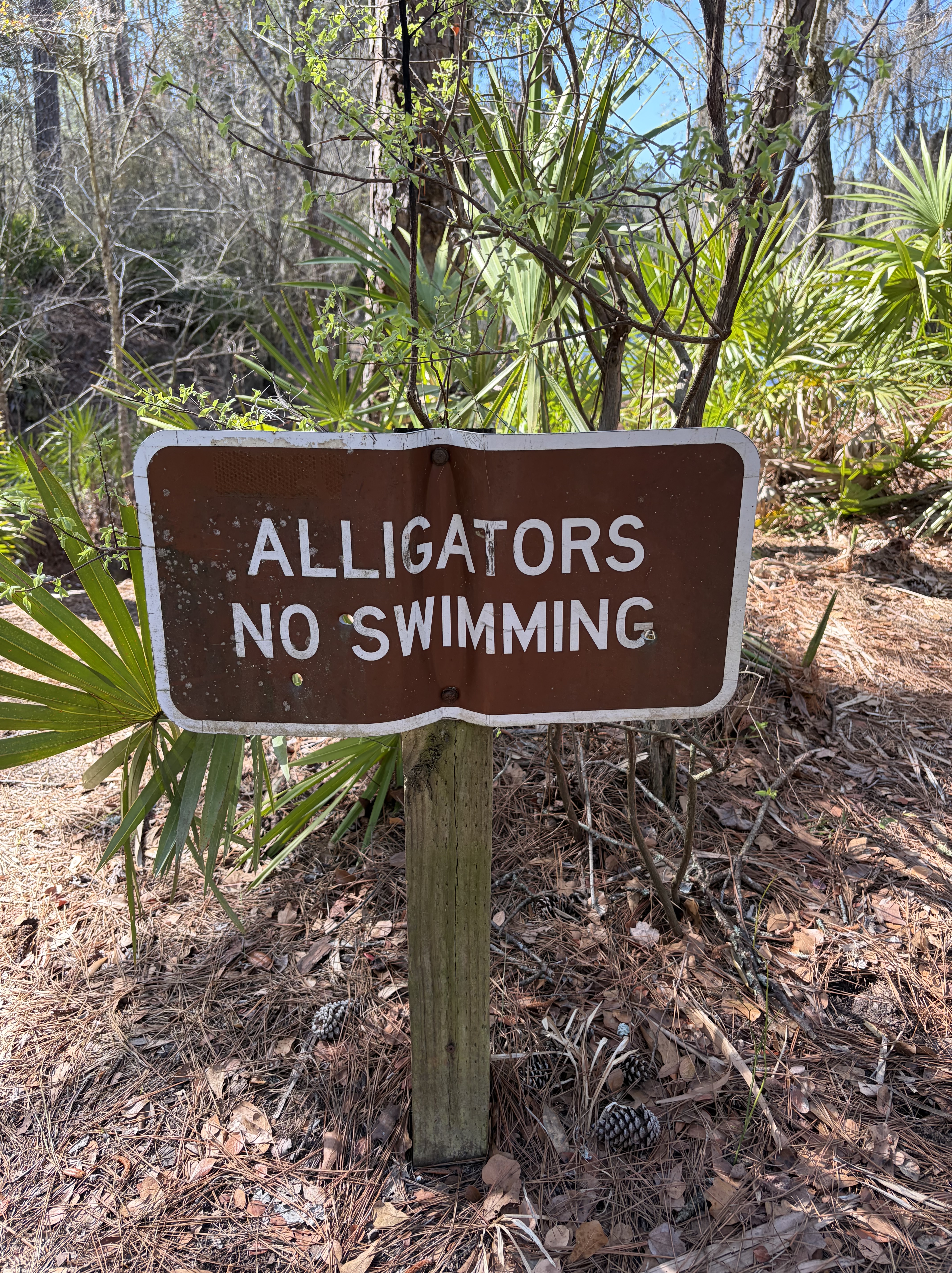
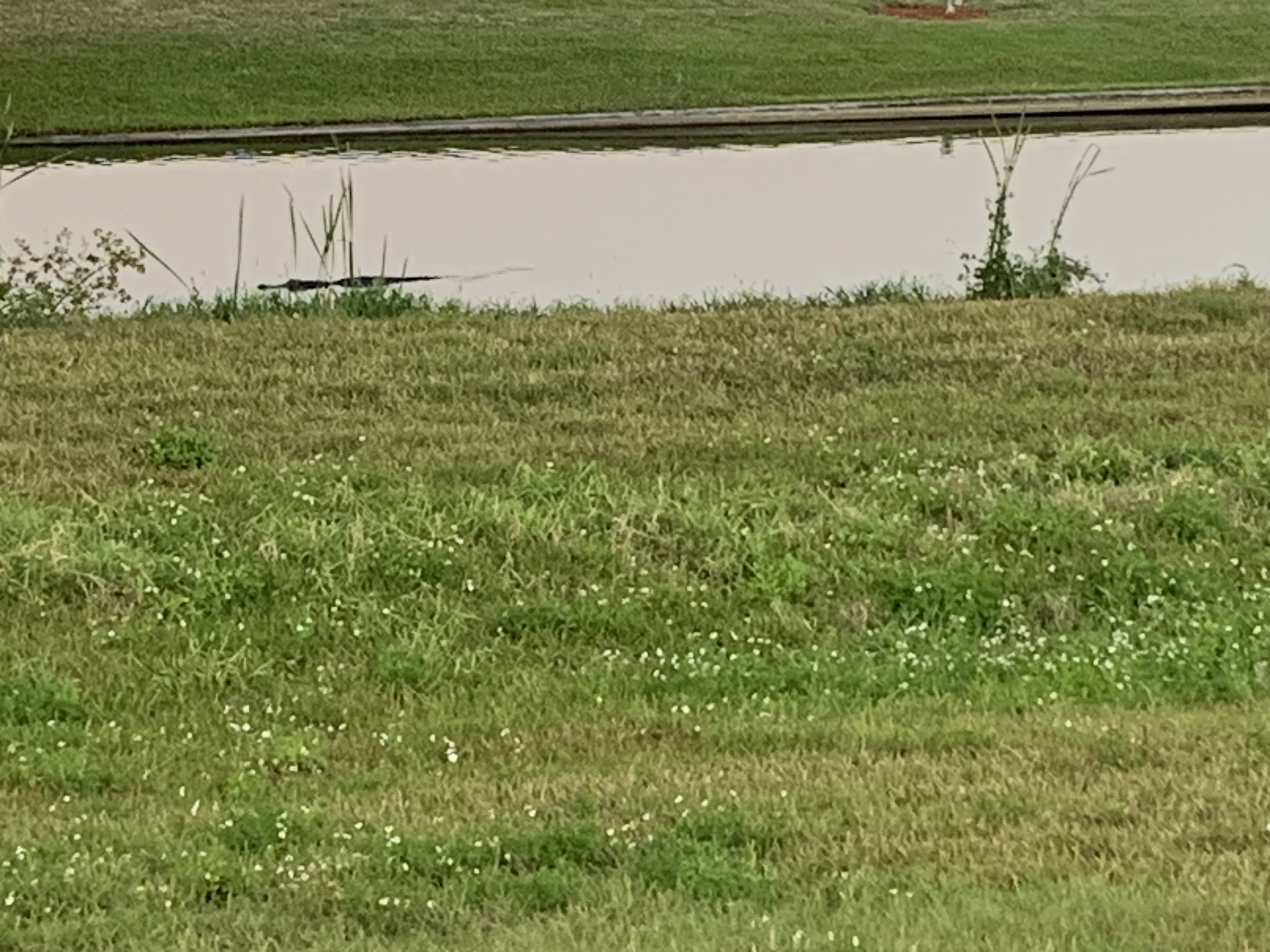
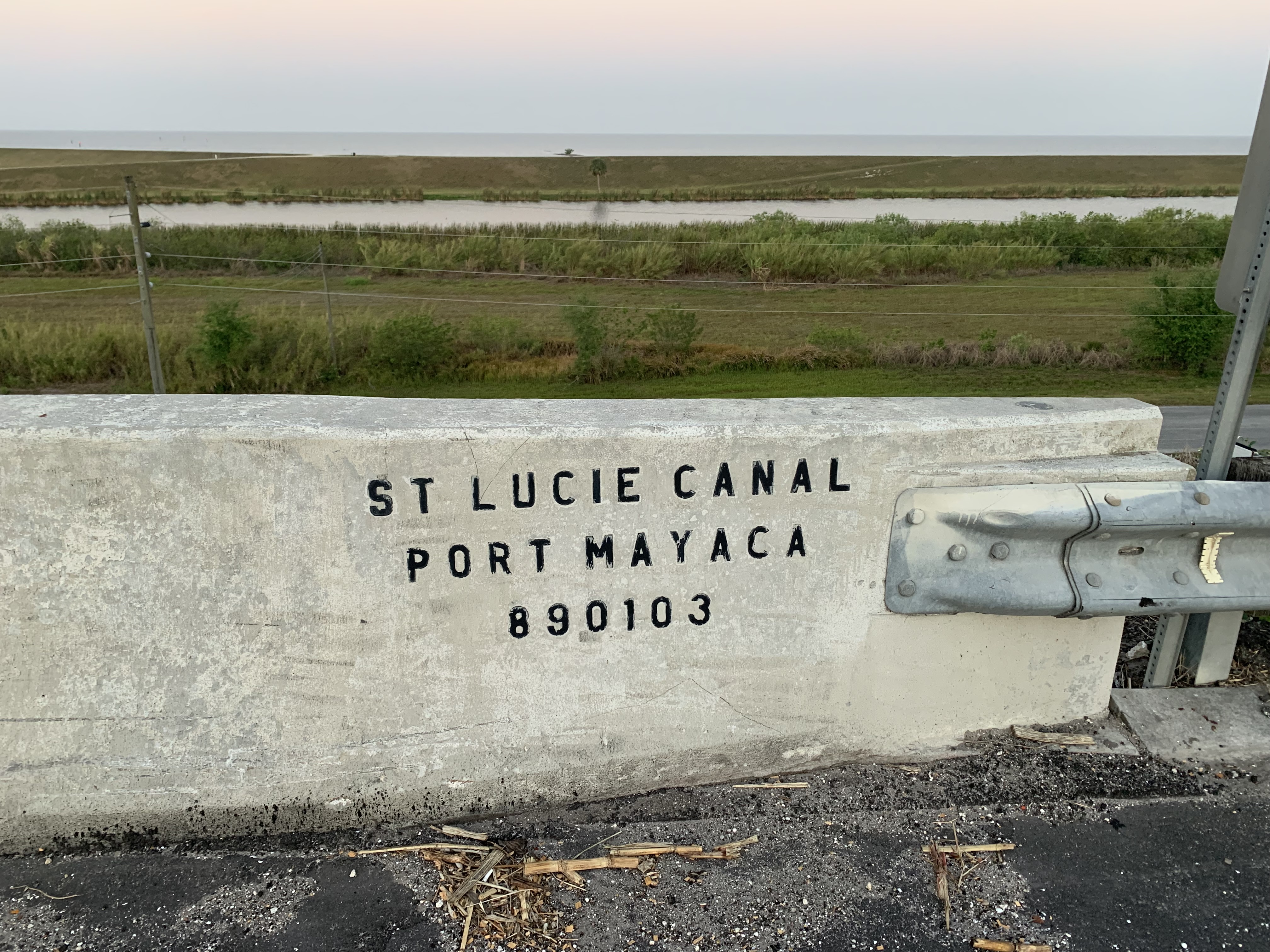
Water was scarce. I rationed as best I could and carried multiple liters. Although I hiked for miles along a bike path with canal on one side and Lake Okeechobee on the other, both were full of both potential agricultural run-off and alligators. So no, not great sources for hydration.

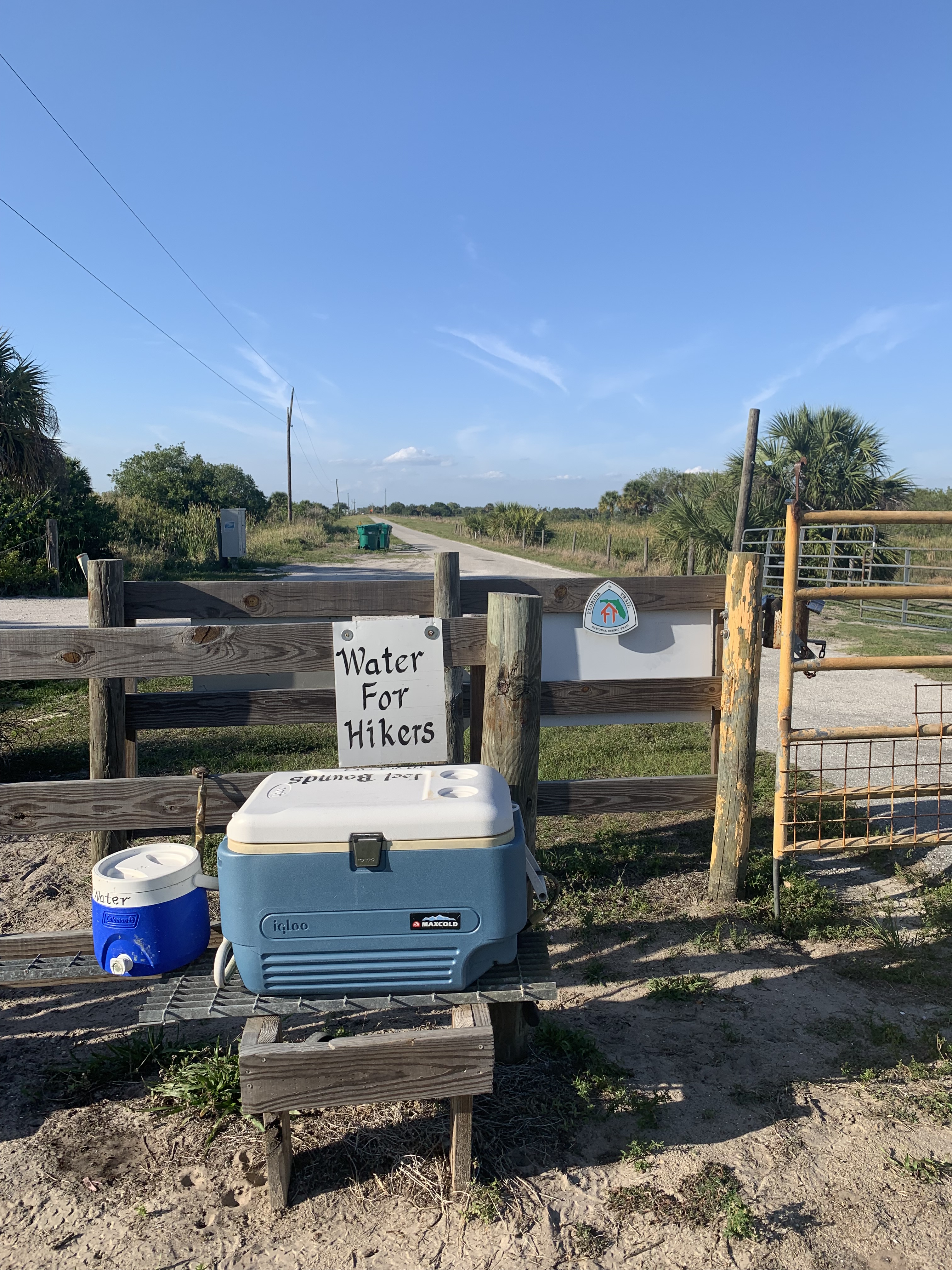
Luckily, people along the way were incredibly generous. The first day, I passed an older gentleman in a golf cart who filled all my bottles with cold water from a jug. Trail angels left stations along the dryer sections, though many of these were not kept up due to the lateness of the hiking season.

The barkeep at a fish camp a half mile off the canal told me no one along Lake Okeechobee drinks water from the faucet; she, too, filled me up from a fridge of bottled water behind the bar.

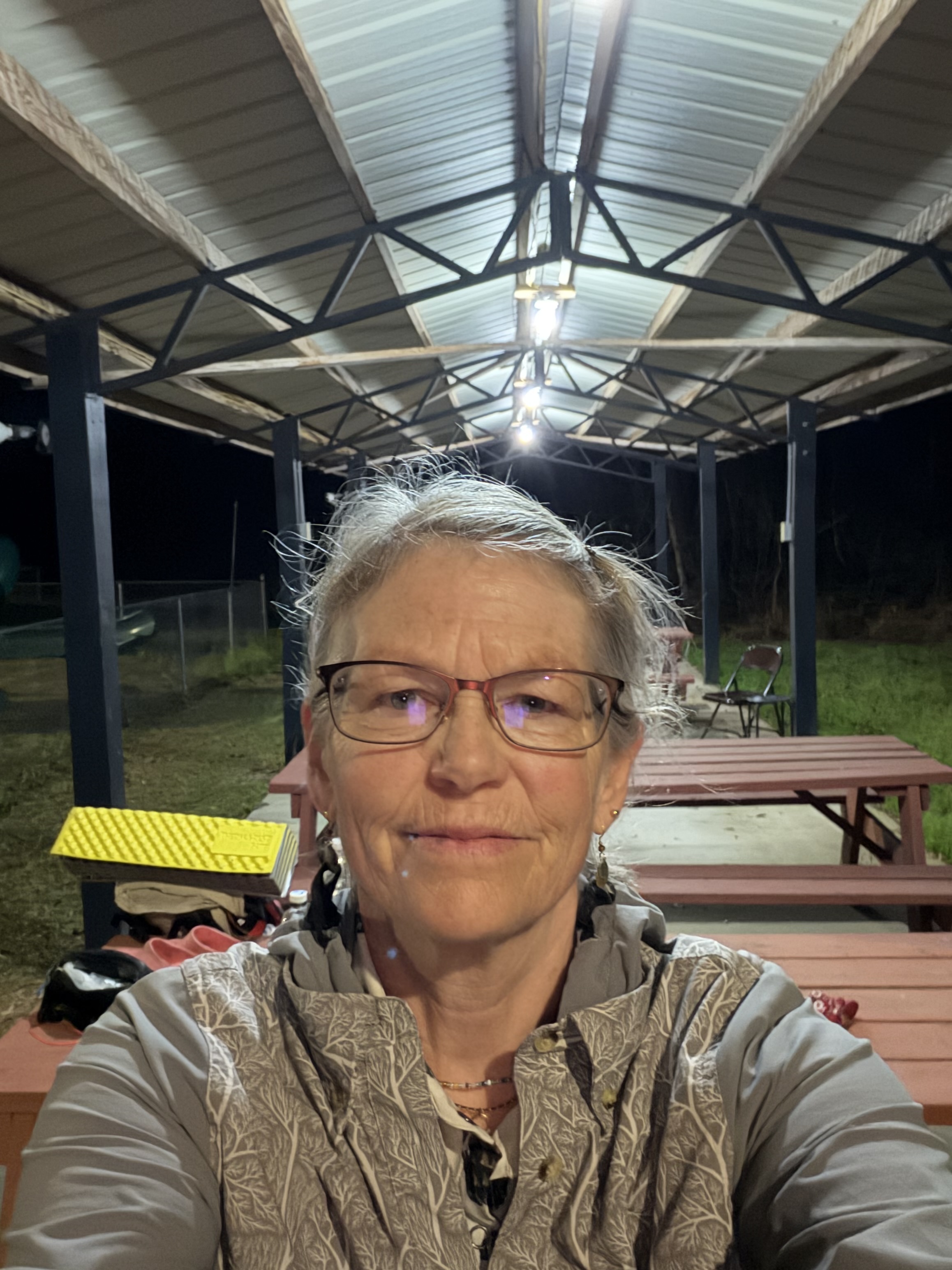
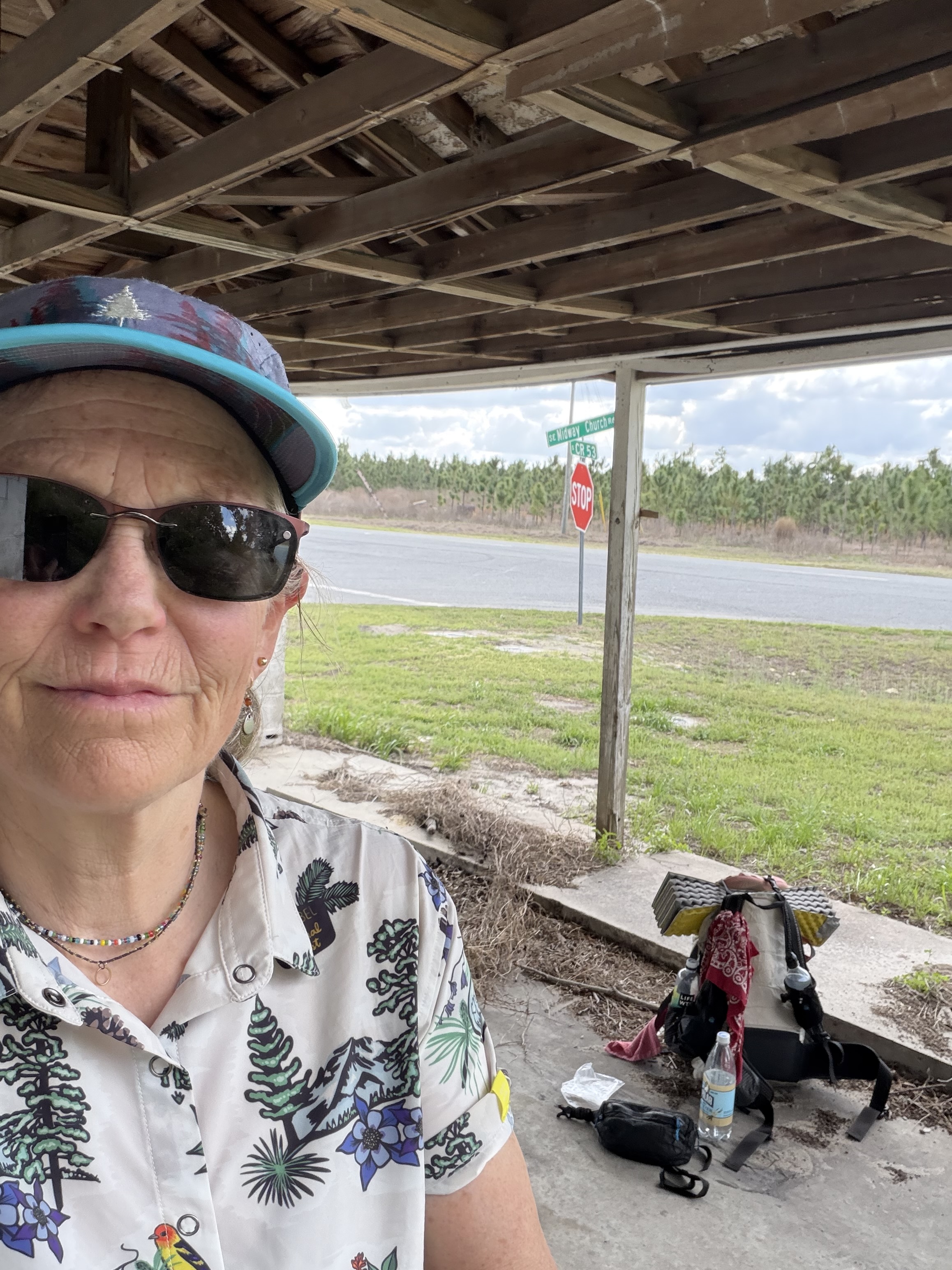
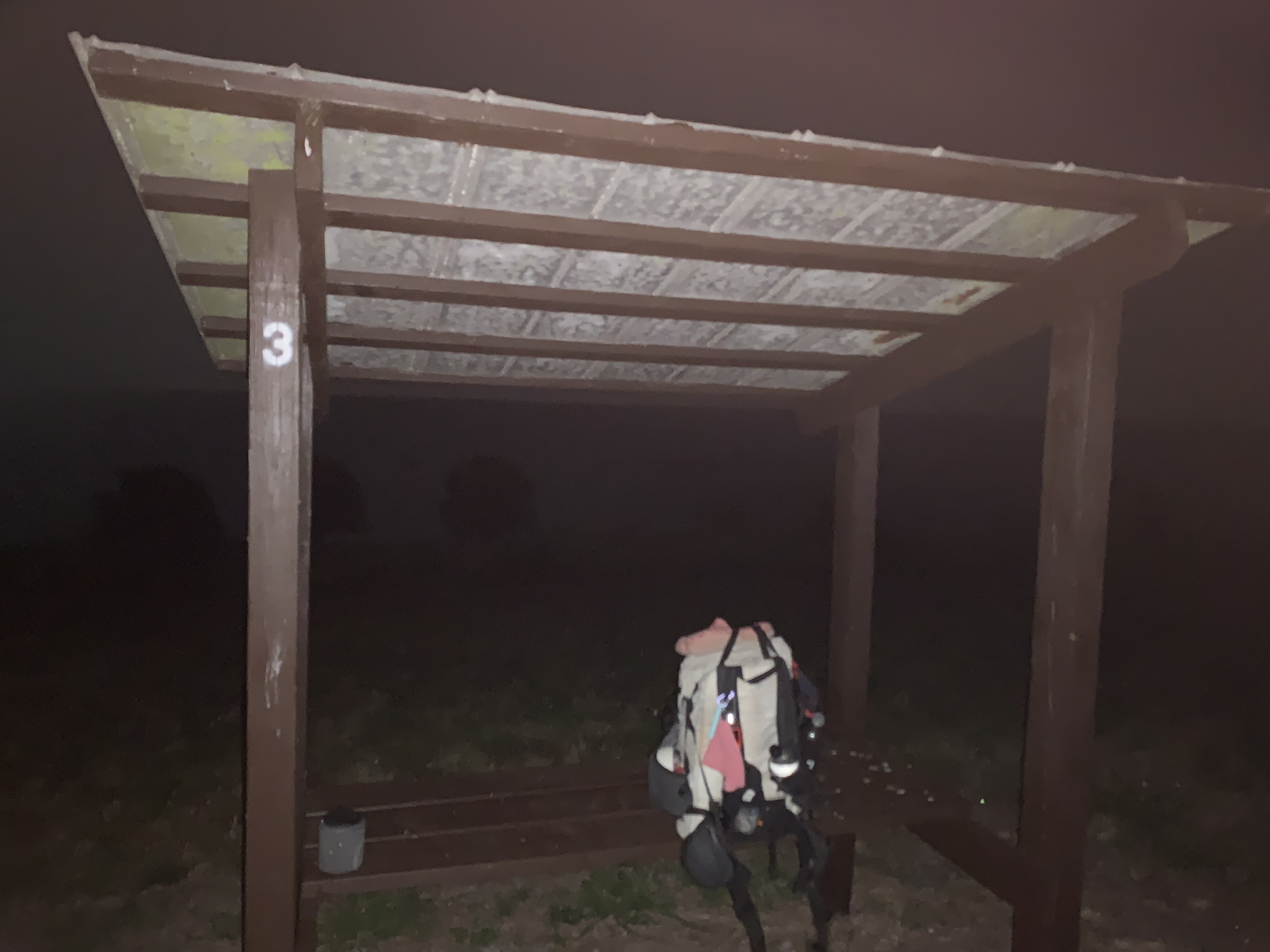
Tenting along the dike was tricky, as well. The bike path sloped down in both directions and the designated campsites were too close to civilization for me, as a lone female hiker, to trust. One night I slept next to a water control station, the next under a covered bench.

I woke up early to get in a few hours of sunless hiking.

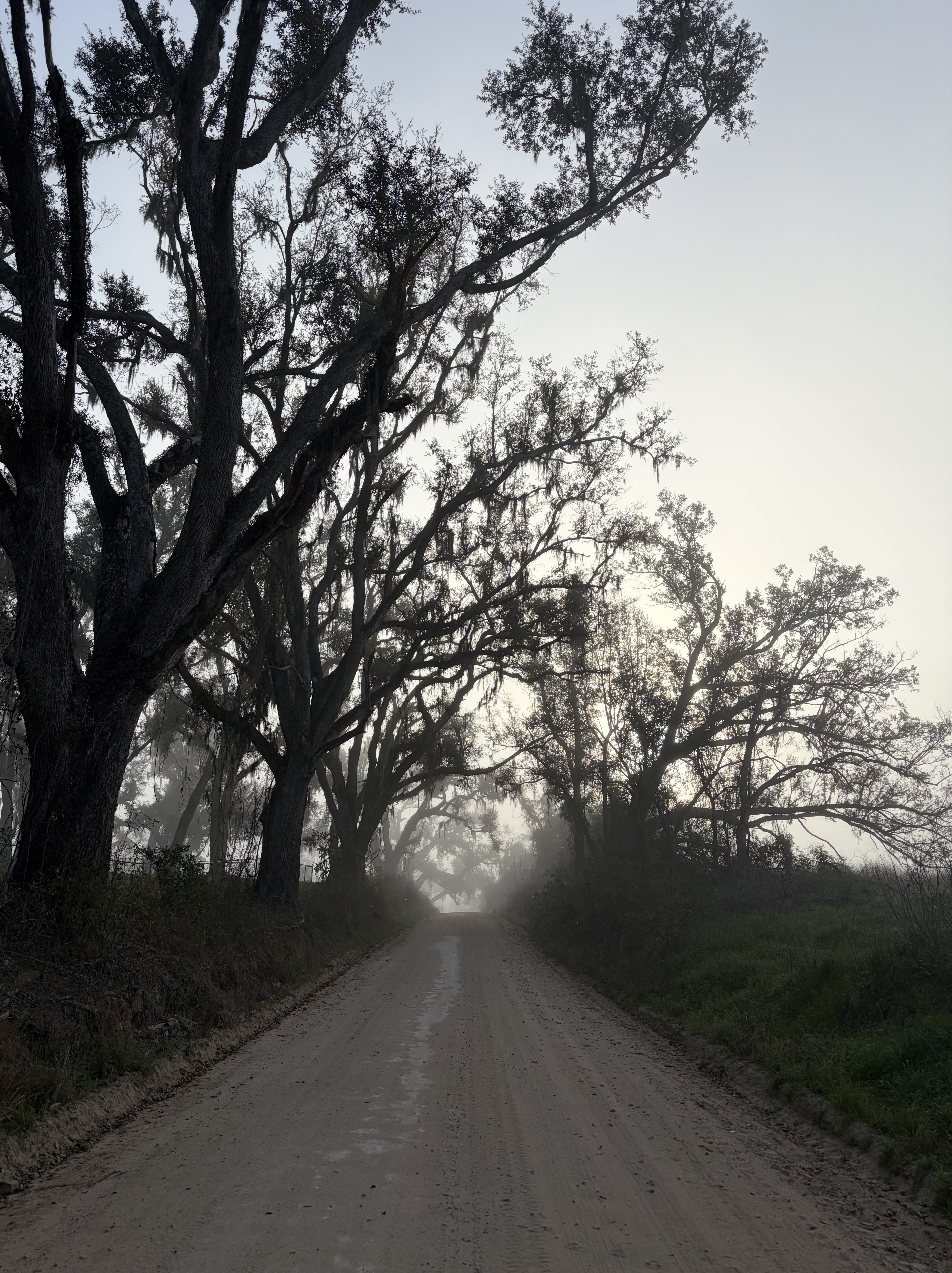
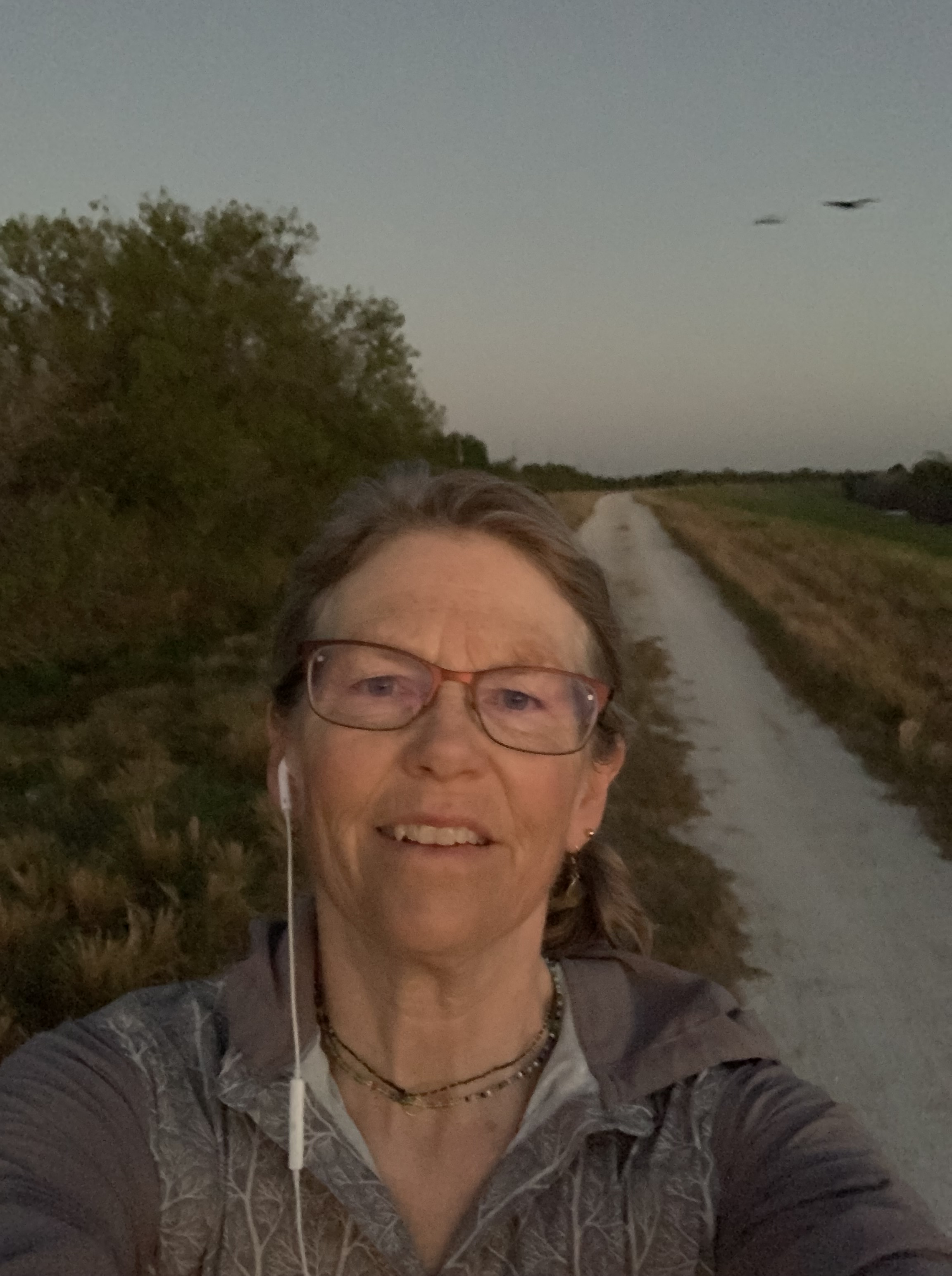
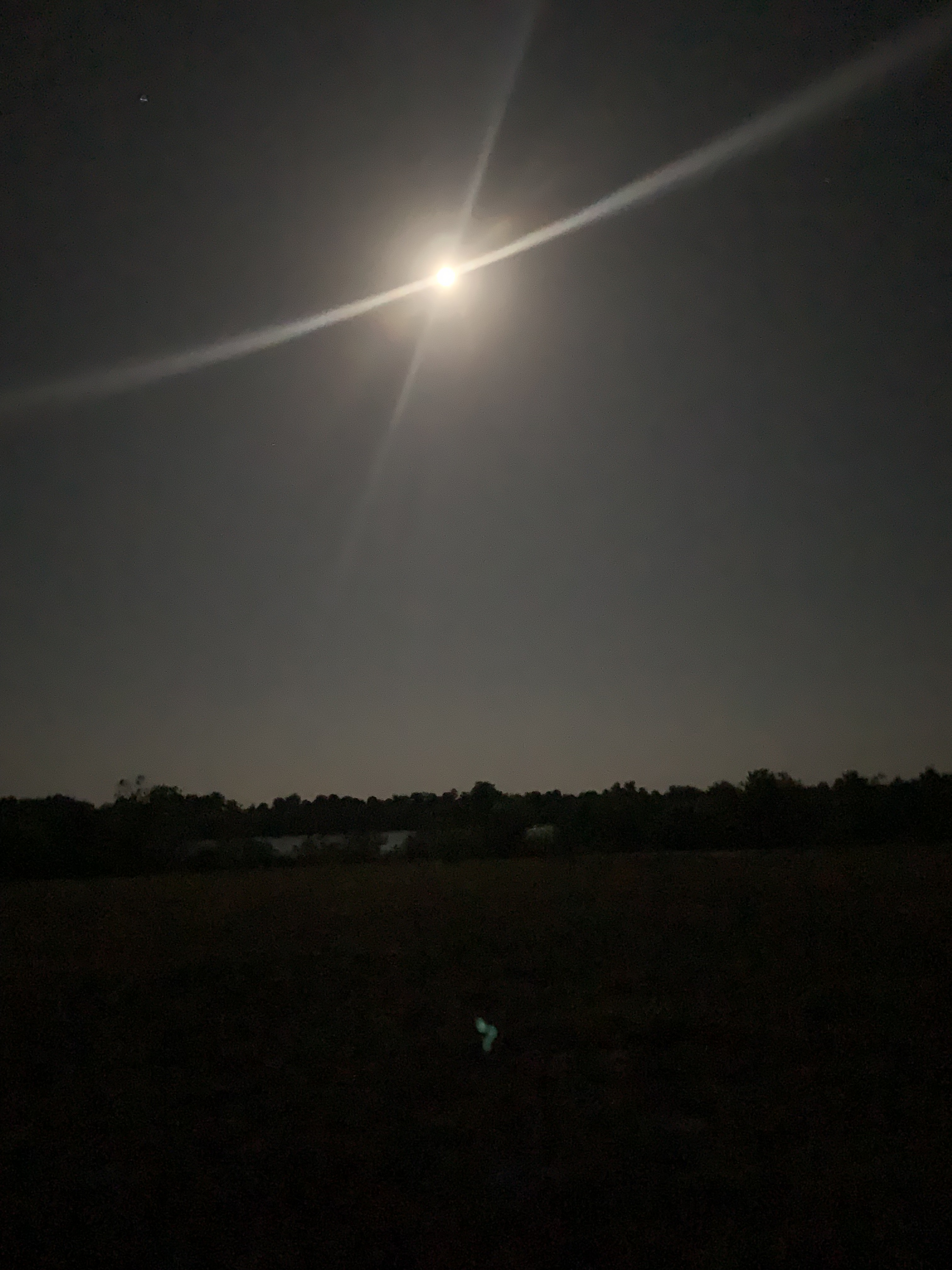
The moon was bright and full, and I walked without a headlamp while the dawn crept slowly up from behind the distant trees.

Late on the morning of the third day, I finally reached the terminus of the Ocean to Lake Trail, wondering how I ever could have thought that walking on sun beaten levees would be fun.

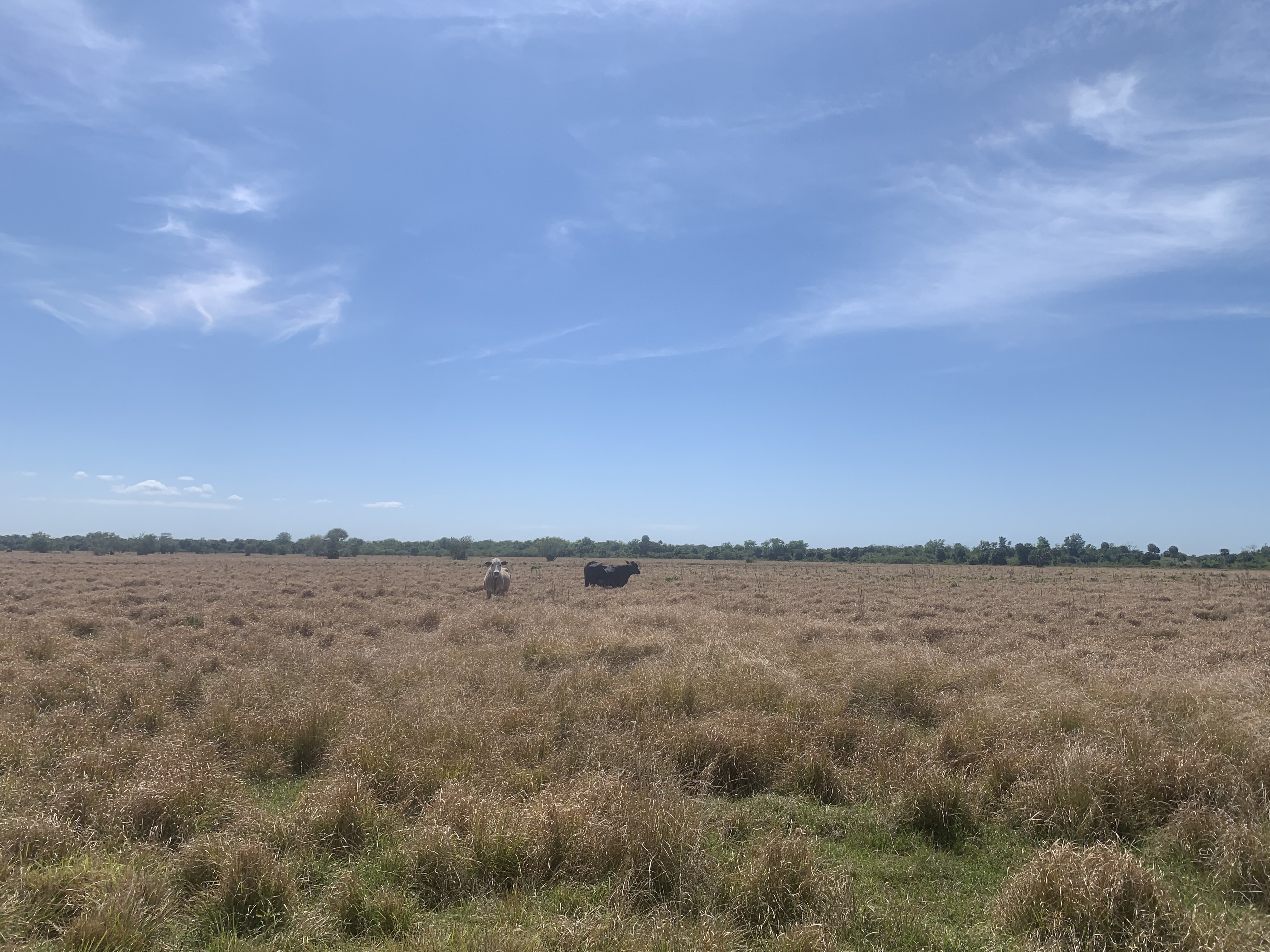
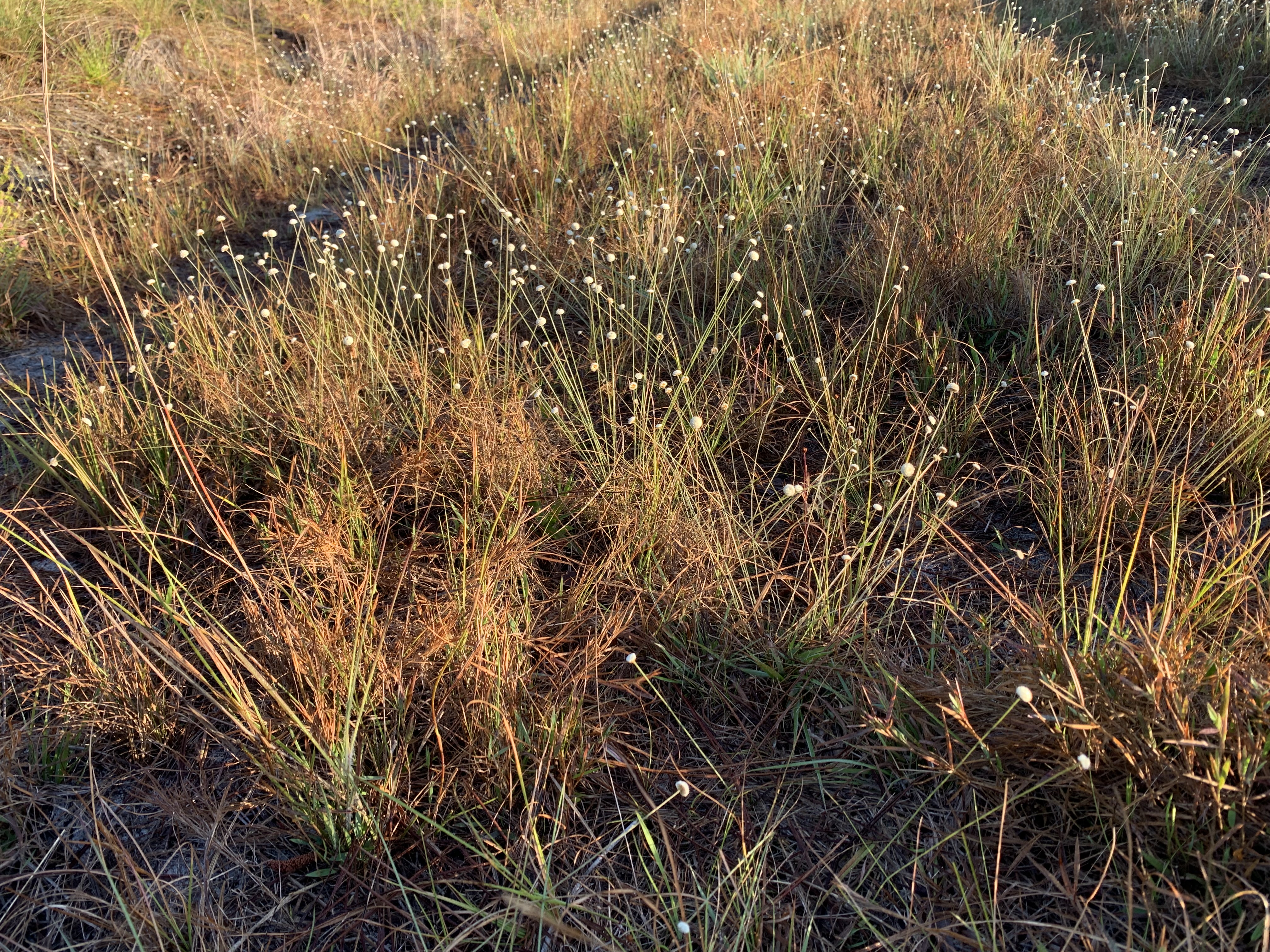
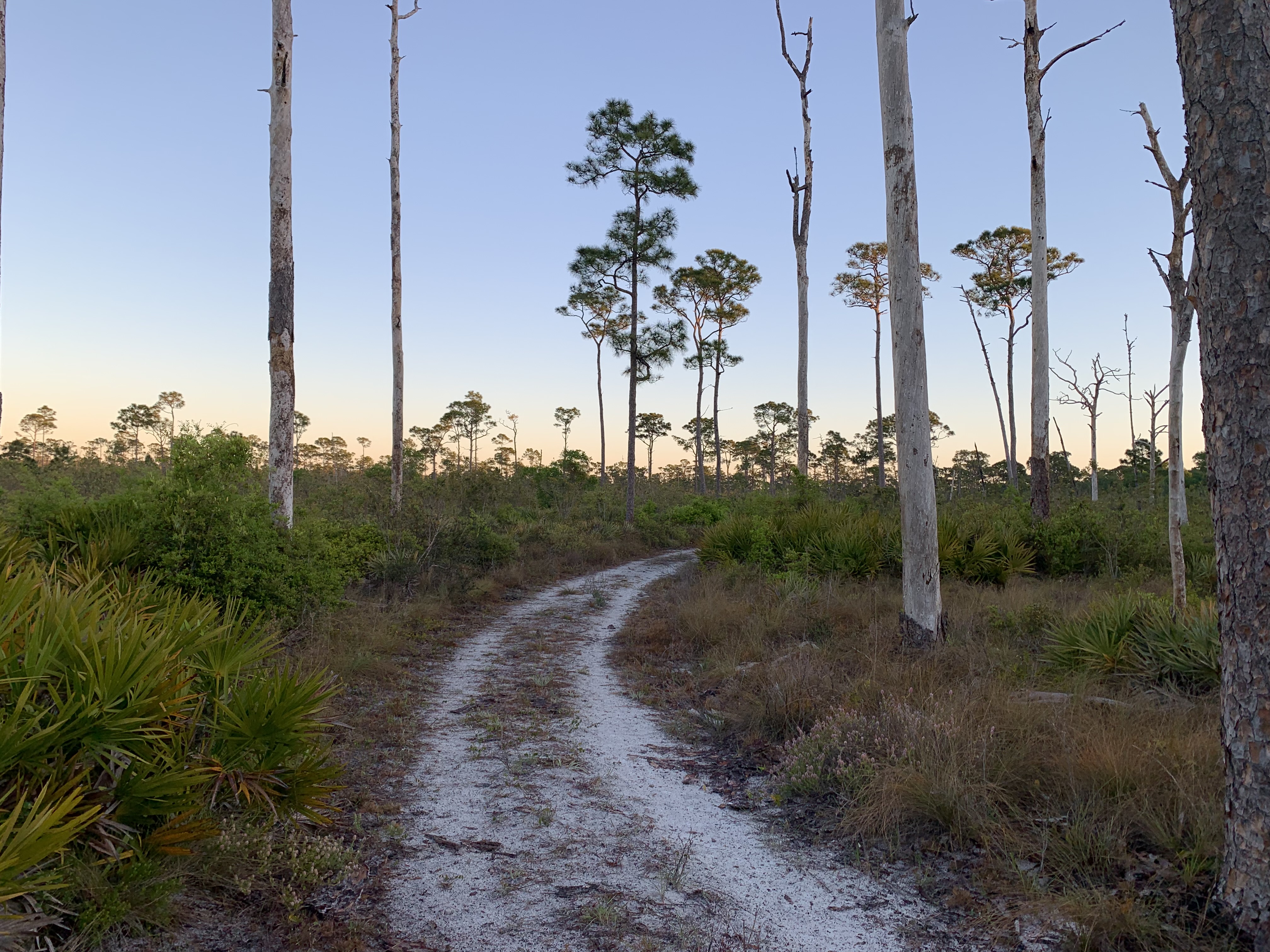
I was never happier to be back in the woods. This was the Florida I had come to know and love: saw palmettos, grassy prairies, soft, sandy paths.

Shade.

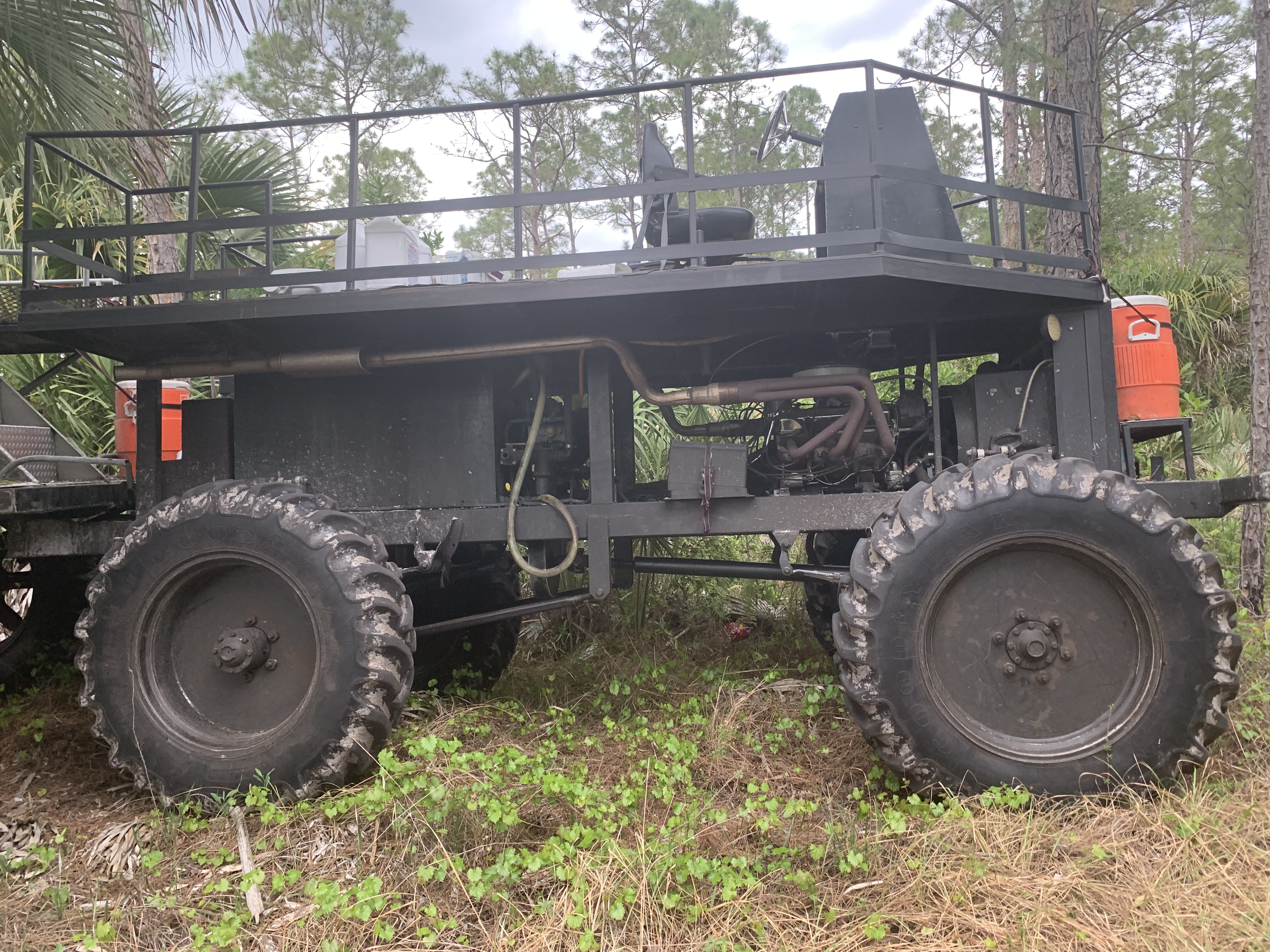
The FarOut app kept mentioning swamp buggy trails along the initial stretch of the OTL, and I started to pass evidence of their assault.

These massive vehicles crash through the forest, tearing up ground and leaving scarred swaths behind. I passed a fleet of the offending machines during a late afternoon sprinkle and thought what a shame it was that the drivers couldn’t appreciate the surrounding beauty in a less offensive way.

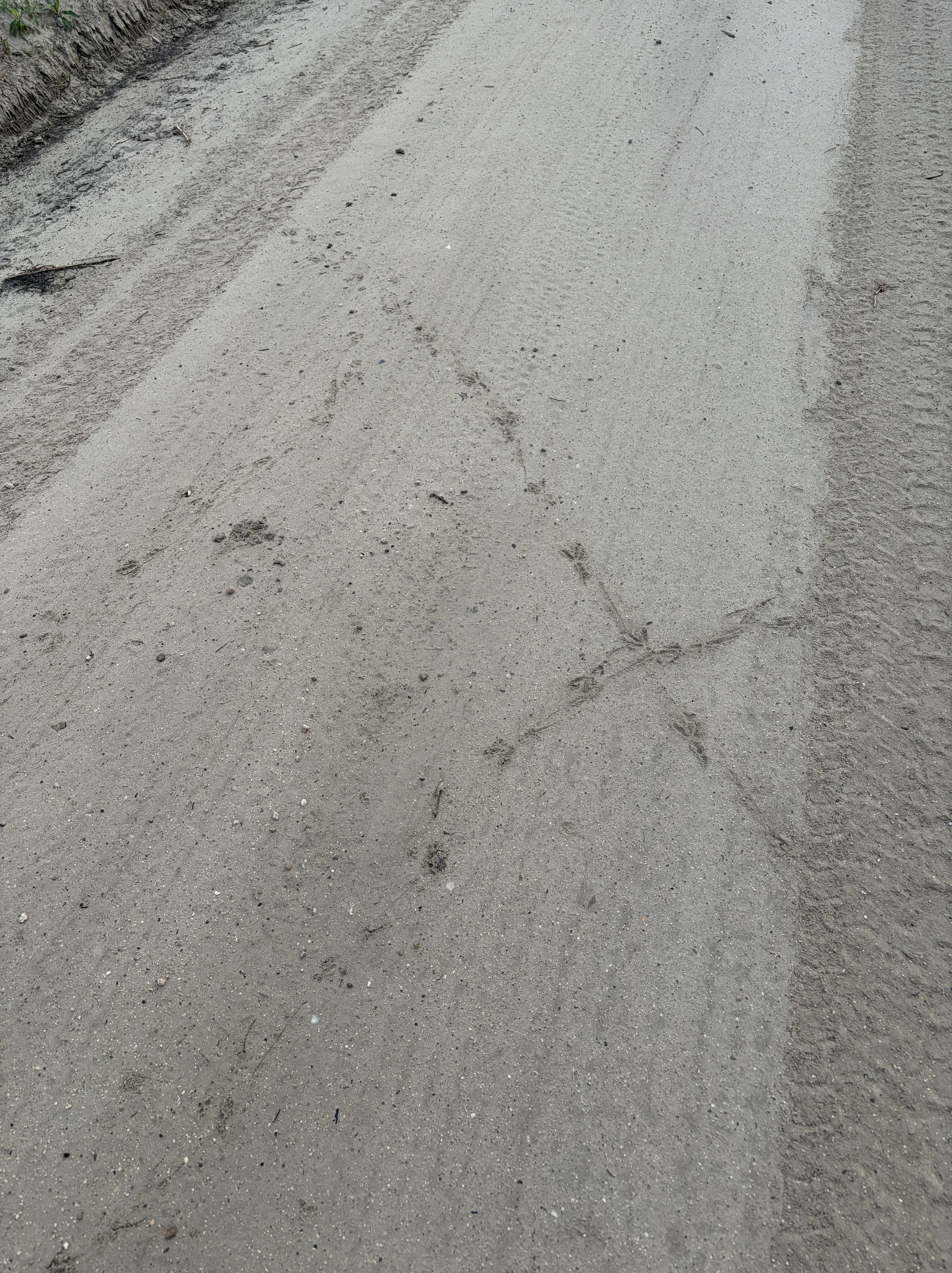
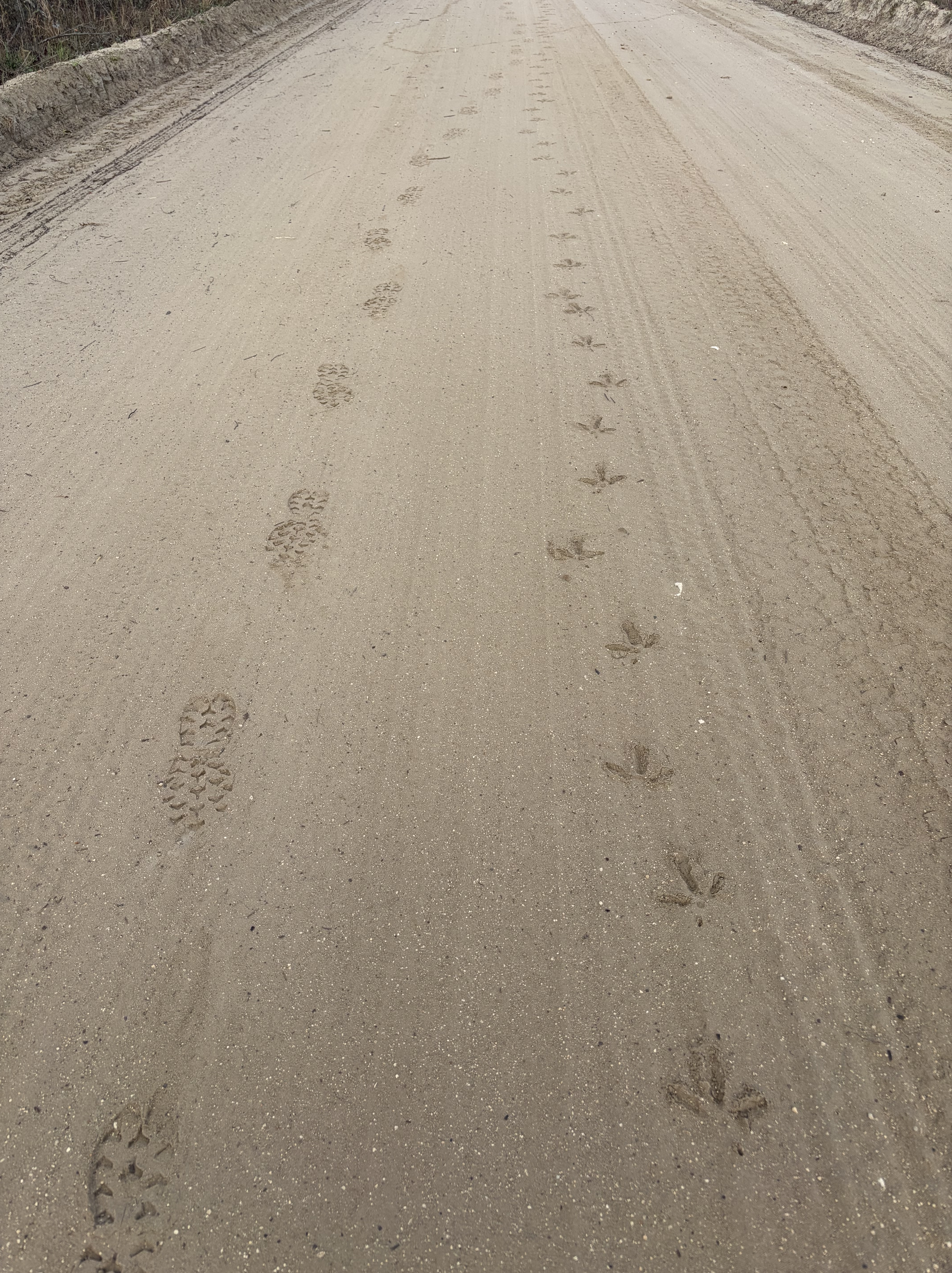
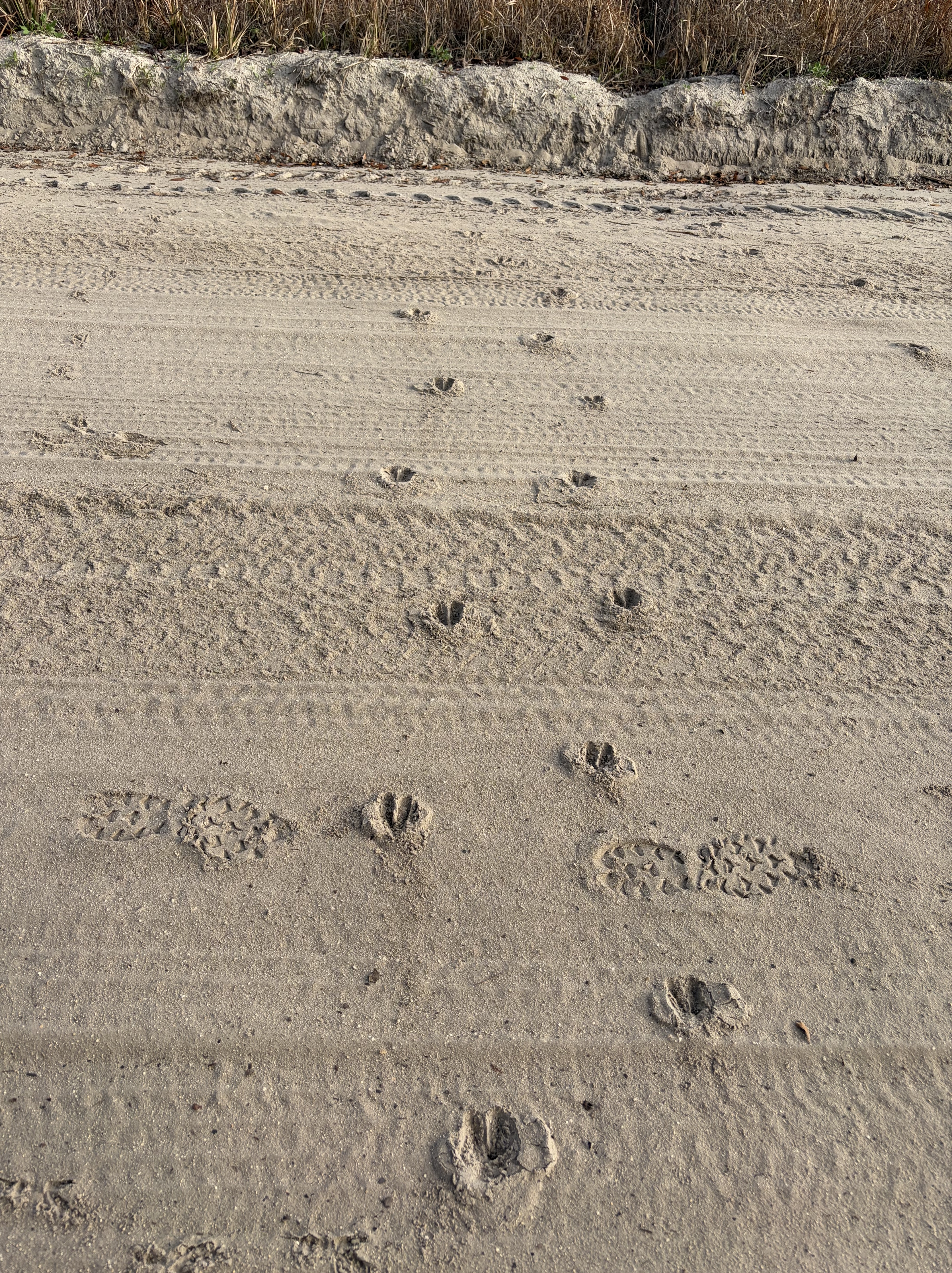
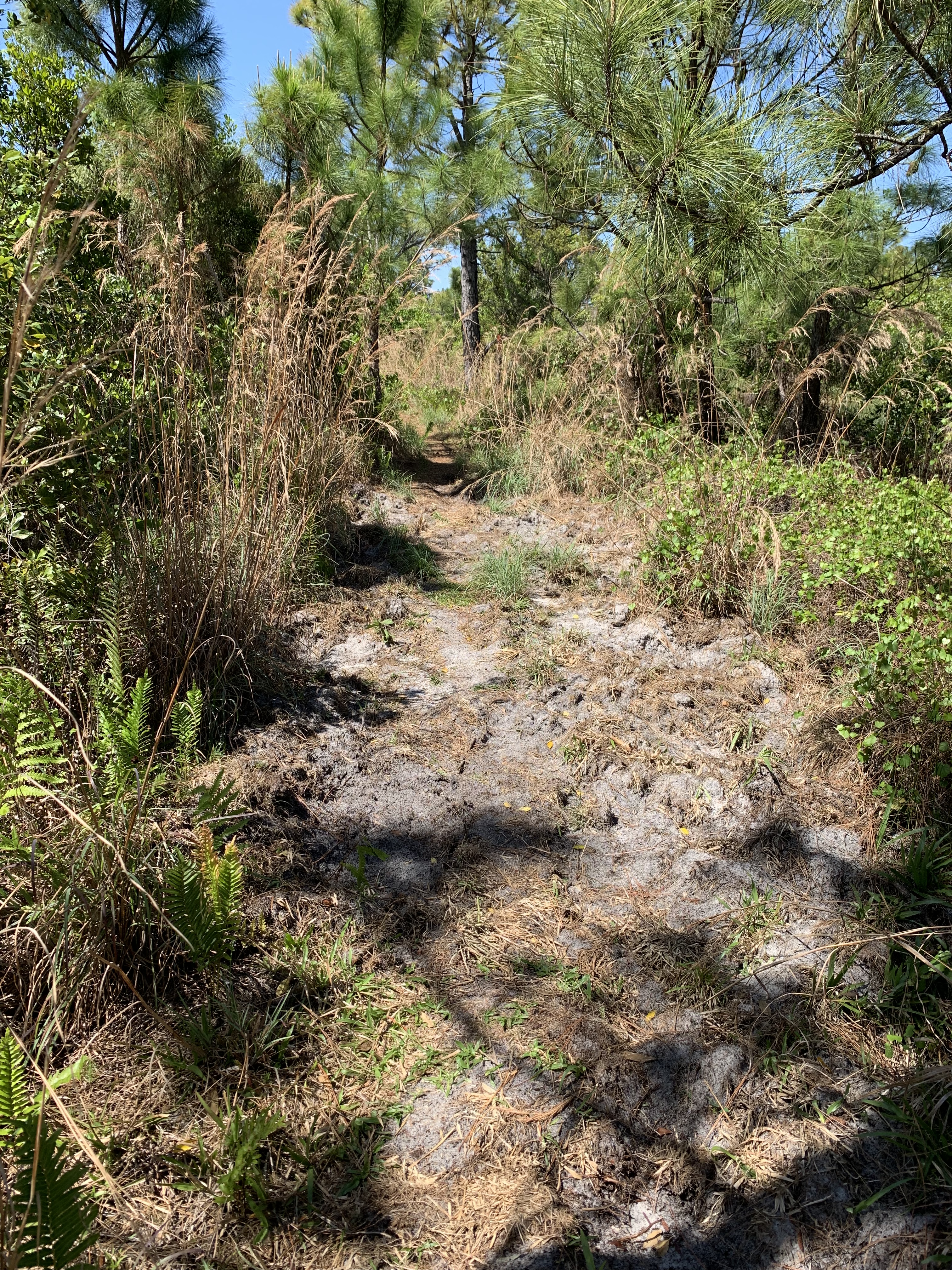
Other creatures tore up the trail. Feral pigs roamed the woods, rooting up lengths of the path with their powerful tusks.

What they left behind was a minefield of furrows and holes that could roll any inattentive ankle. The morning of the fourth day, all fury rained down from the sky. Marching along, hunched over against the storm, I surprised a herd of these bellicose brutes grunting on either side of me. Perhaps they were as startled as I, for we both scattered, squealing, in opposite directions.

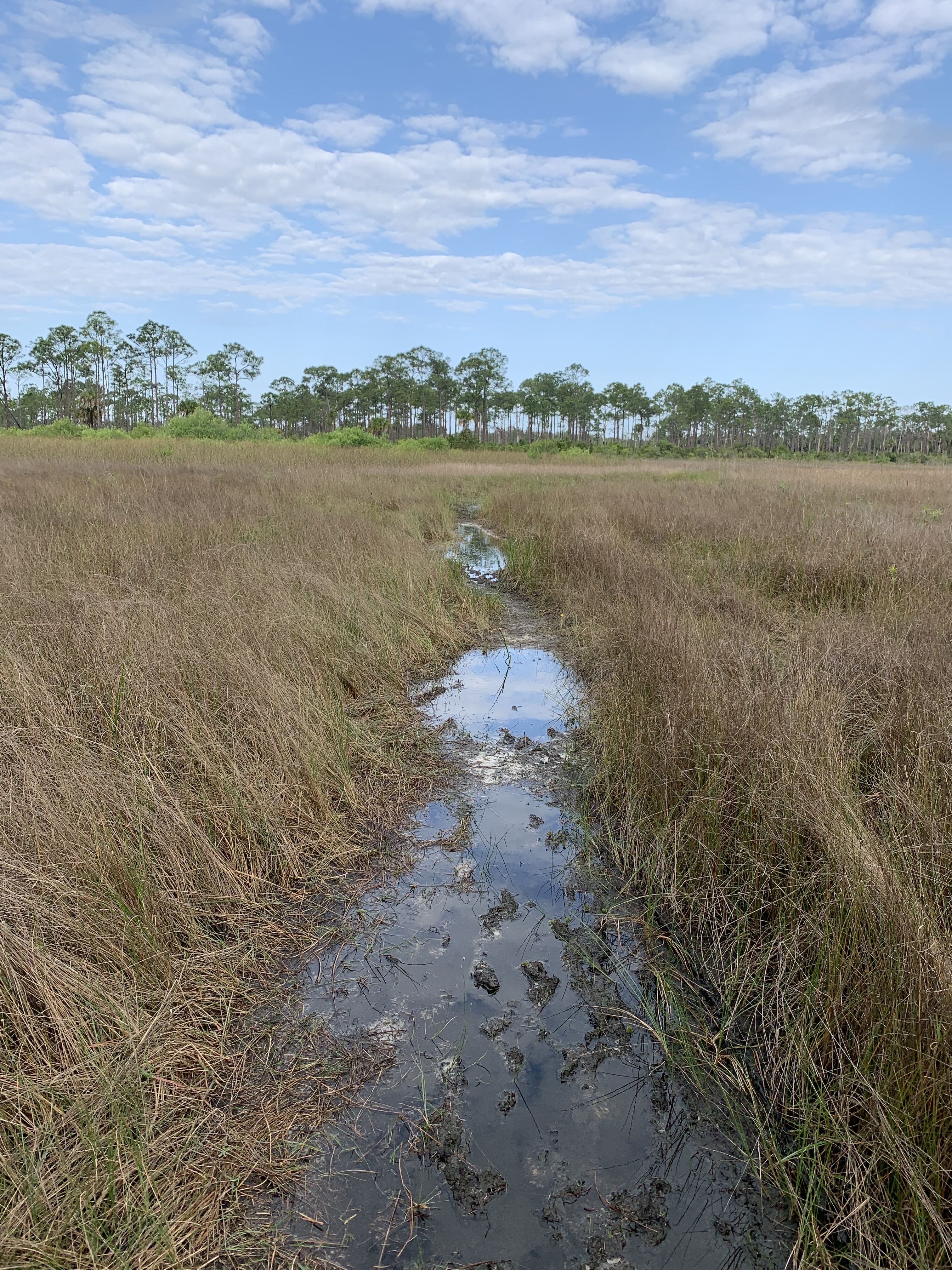
Despite the storm, my feet were the driest they had ever been in any previous year. I even opted to skip a high water bypass, taking instead the direct route through an actual pond. I was so happy I did. Flocks of white birds circled overhead as I slushed along in the cool, clear water.

Later, I turn a corner and a small fawn wobbles toward me, ears alert and curious. It’s the sweetest moment, a reward for the agony of the dikes.

The last day comes all too soon. I weave in and out between forest road and trail in Jonathan Dickinson State Park.

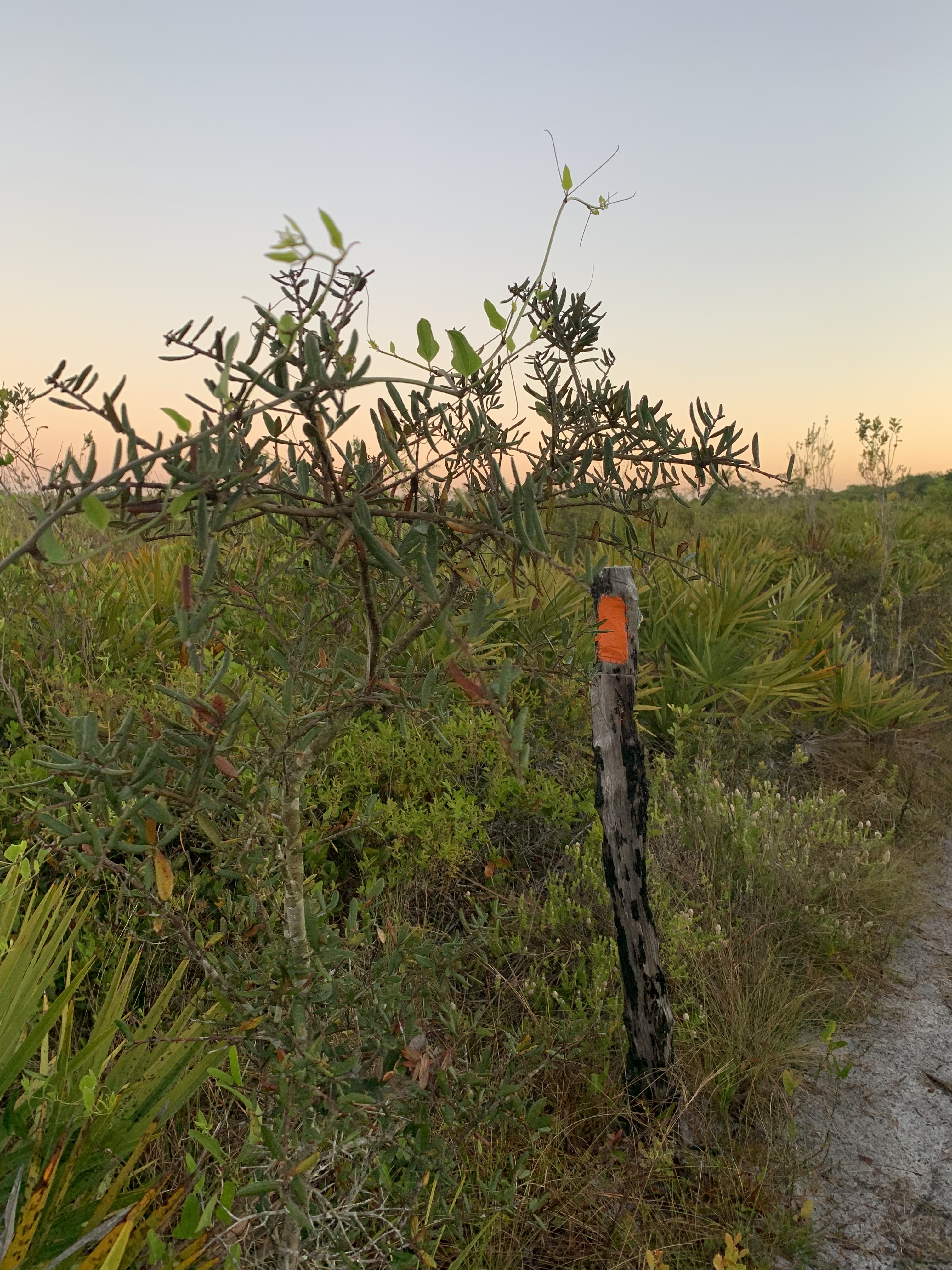
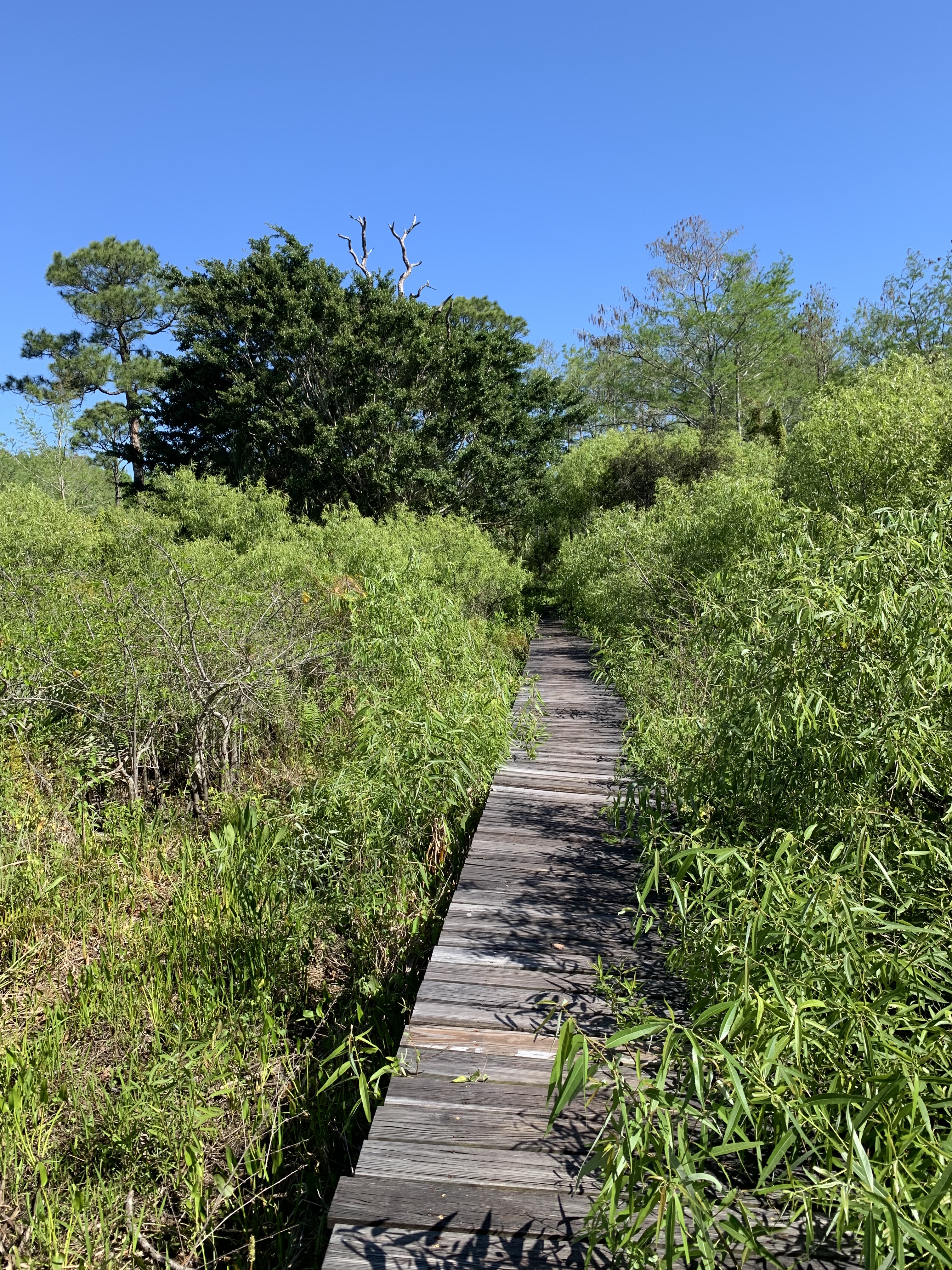
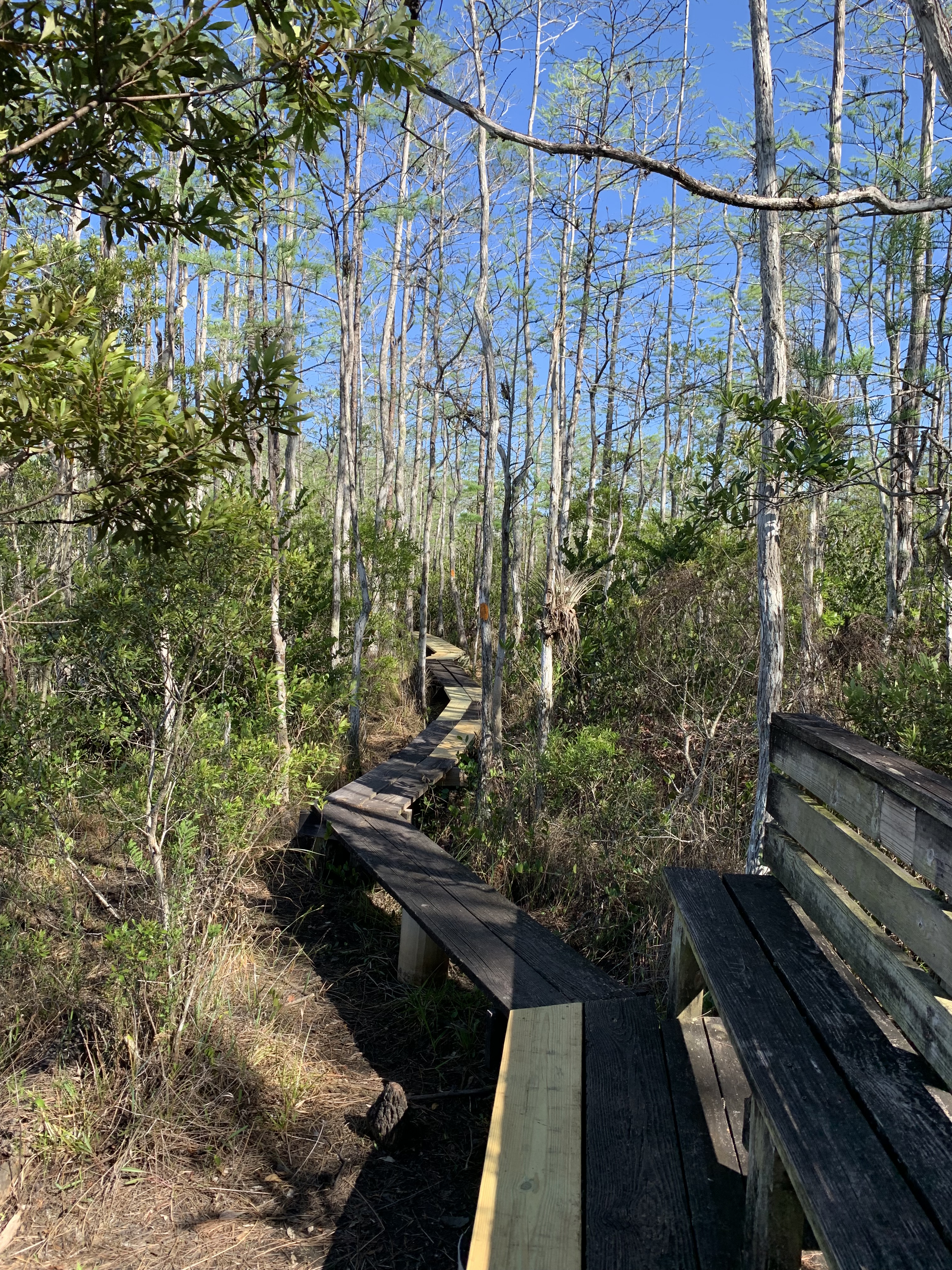
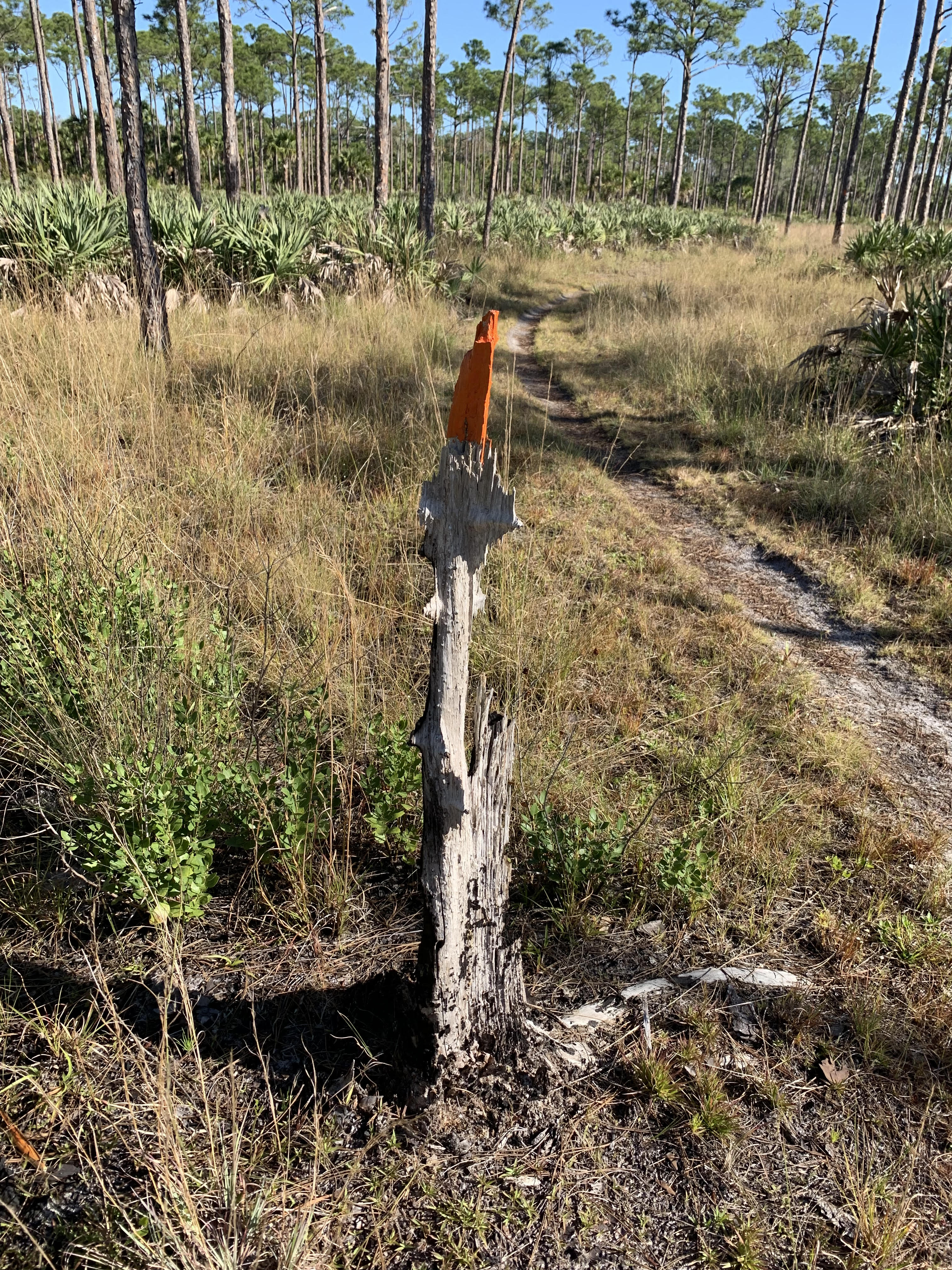
There are boardwalks and bridges, cacti and creative blazing, as I approach the end of the wilderness and cross the threshold back into the world on one last sandy push.
Time to swim.

I dump the pack in my car and race toward the beach. Huge waves smash against the sand, and no one is swimming. Cautiously, I wade out, hoping I’m not breaking some rule.
The water is wild and I time a crest, ducking under at the last minute. The force pulls me under froth and foam. I almost lose my shorts and hope the nice families of Hobe Sound are looking elsewhere. For a brief second, I wonder if I’ll be pulled out to sea, but I stagger to my feet, laughing, baptized, fully alive.

Driving home is uneventful. I’m tired, of course, and footsore.

But infinitely grateful that there is a trail I can retreat to when winter overwhelms, grateful for the wild, grateful there is Someone watching over me through the good and the hard.

Only Scaries Left

I’ve been waiting months for this month.

Stalled since last March in trying to finish off a New Hampshire Grid – all 48 4,000′ peaks in every calendar month – I couldn’t wait for December to come, to start checking off the last 22 of 576 summits.

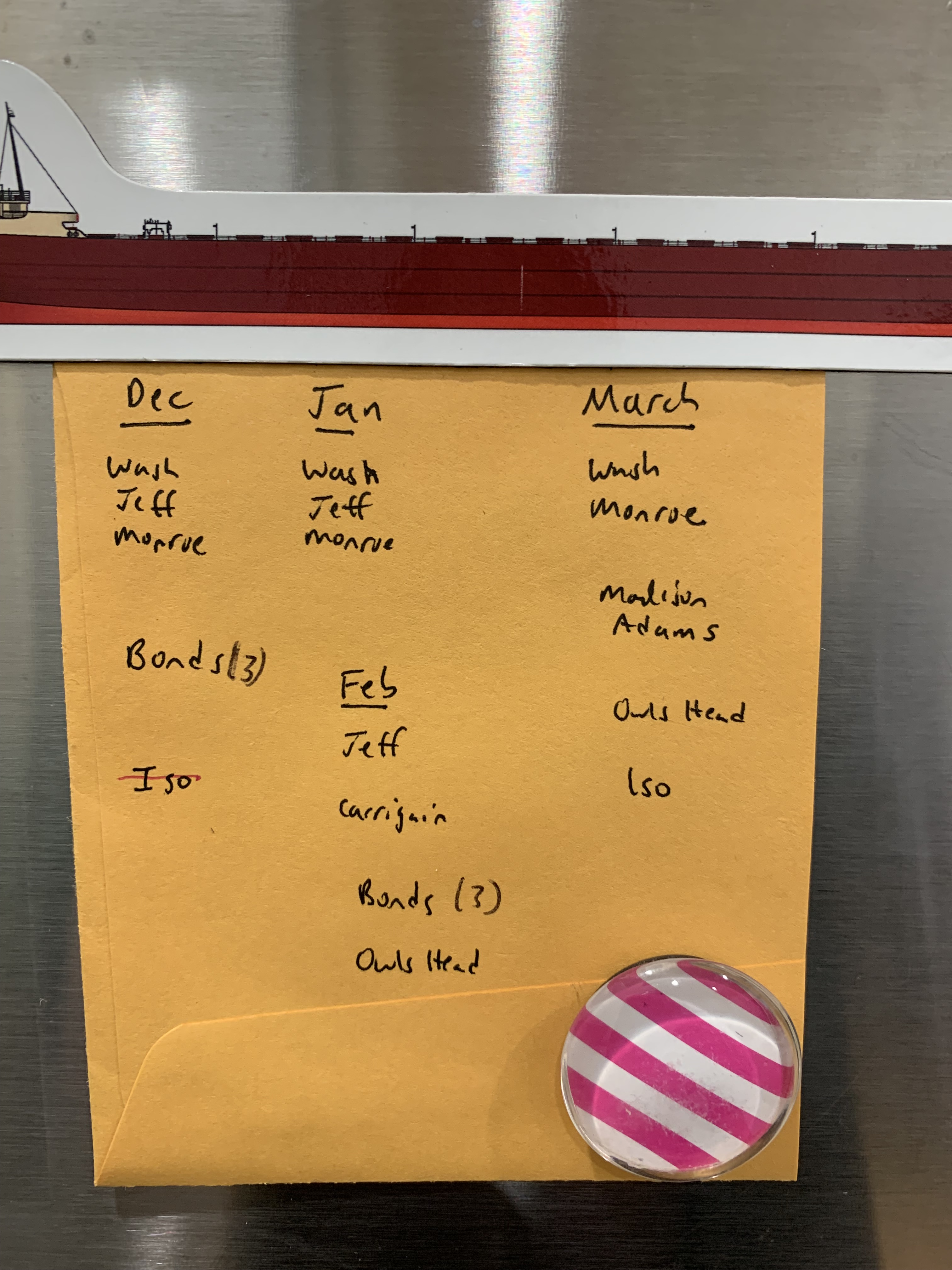
The list has hung on my fridge for the last nine months, alternately inspiring and scaring me right down to my core. Having finished April, May, June, July, August, September, October, and November – months when weather is fairer and hikes are more agreeable than not – I was eager to be out the door on December 1 to tackle Isolation.

A query I posted on a hiking forum looking for company elicited only laughing emojis – recent snowfall and single digit predicted windchill on a Sunday was not as alluring as I had hoped, even for fellow “Gridiots.”

Isolation is one of those peaks people either love or hate: remote (as its name suggests) with either multiple water crossings or off-trail bushwhacks, depending on how you approach it. Long stretches of the established trail run over active water flow, making for soggy feet no matter how you slice it.

The problem with the mountains I have left is that they are ALL, in some way, as tricky as Iso. The Bond traverse is a 22-mile out-back. Due to winter forest road closures, Carrigain requires a 3-mile road walk just to get to the trail head. Even following herd paths, one can’t avoid three major water crossings on Owls Head, and the Madison/Adams combo is steep and often ridiculously icy. As for Monroe, Jefferson, and Washington – who in New England doesn’t know about the “worst weather in the world,” which pummels these three presidents with triple-digit wind gusts and frequent avalanche warnings?

As much as I want to finish, I also don’t want to die. Or worse, call SAR.

So I suppose I shouldn’t have been surprised that my Iso bid the first day back Gridding took me 10.5 hours to cover 11.5 miles. Six inches of new powder covered the established trail, every other tree was a blow-down (okay, I’m exaggerating – let’s just agree there were a lot), and it was COLD. So cold.

Other things happened.

Two water bottles were lost navigating downed trees in-over-and-through, and when I finished the dregs of #3, I was forced to choose between dry hours of hiking or taking a chance on a swift-running stream. The stream won, but so did giardia, which hit like a vengeance some days later. Let’s just say this parasite is not user friendly.

Help. Me.

There was bruising. My phone drops in the snow as I lose the trail and try to find my way back. I go through two sets of mittens, hats, and down hoodies. I don’t want to expose my hands for too long, so I barely eat, which makes me, fuel-less, even slower to finish the last miles in the dark.

All to check off one peak.

Where was the wonder, the joy I felt, in the months previous, walking where and when I wanted? Turning around before a summit if the conditions were not to my liking?

The problem with lists is that, well, they’re a list. Restrictive. Confining. Vexatious.

December has me spooked, and it’s not even officially “winter” yet.

I am writing this now having decided not to hike today.

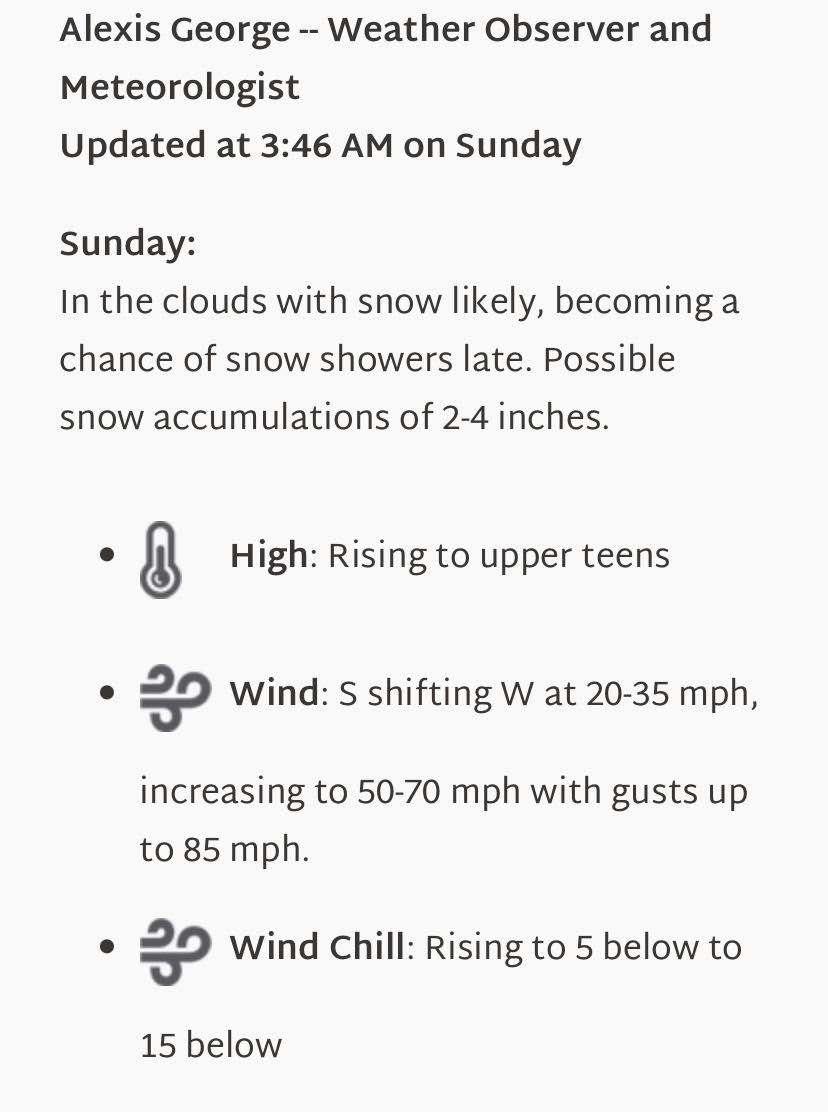
I had packed for the Bonds and was watching the weather, but new snow and 70 mph winds had me cancelling the early alarm. I want to be prepared, to minimize the risk, to always carry more than I need, but even all that was not enough. And it seems the more I sit, the more fitness I lose, and the less I want to go out there again.

Two good days. That’s all I need to Grid out December.

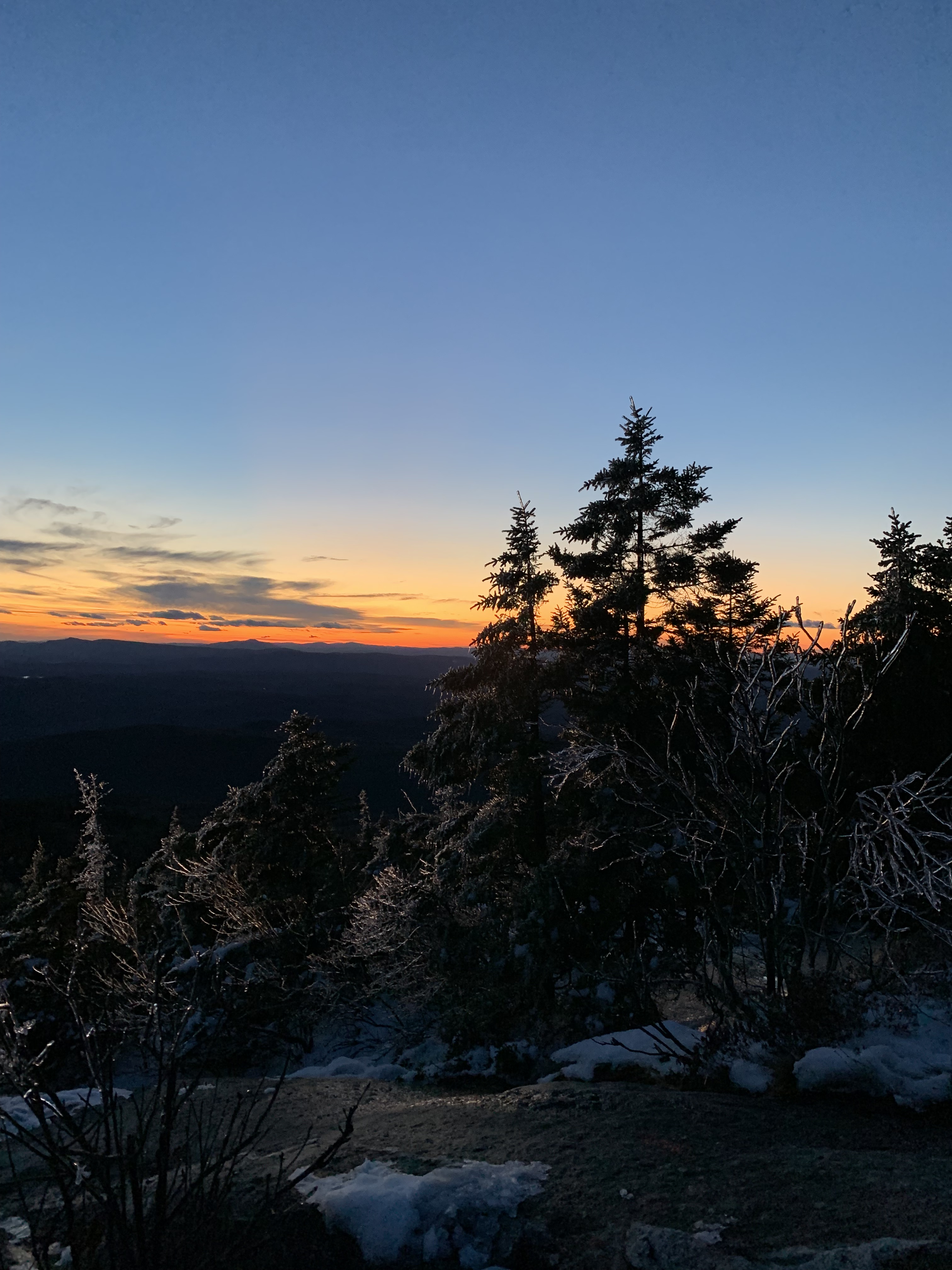
One word. It’s been everywhere, every morning, as I sit at my desk and watch the clouds pink over the school that I love, reading and journaling and praying needs.

Trust.

I cannot control the weather or my schedule or even how I will feel on any given day. This week, I will turn 62, and that is a long time for legs to live. I’m grateful for every single one (years, not legs, though I am grateful for those, as well).

At his last meal, Jesus told His disciples that in this world they would have trouble, but to be of good cheer (John 16:33).

Be of good cheer, child.

You may finish Gridding December – and January, February, March – you may not.

Sort out the scaries one by one.

You trust Him, don’t you?

A White Mountain Direttissima: Part One

The Route

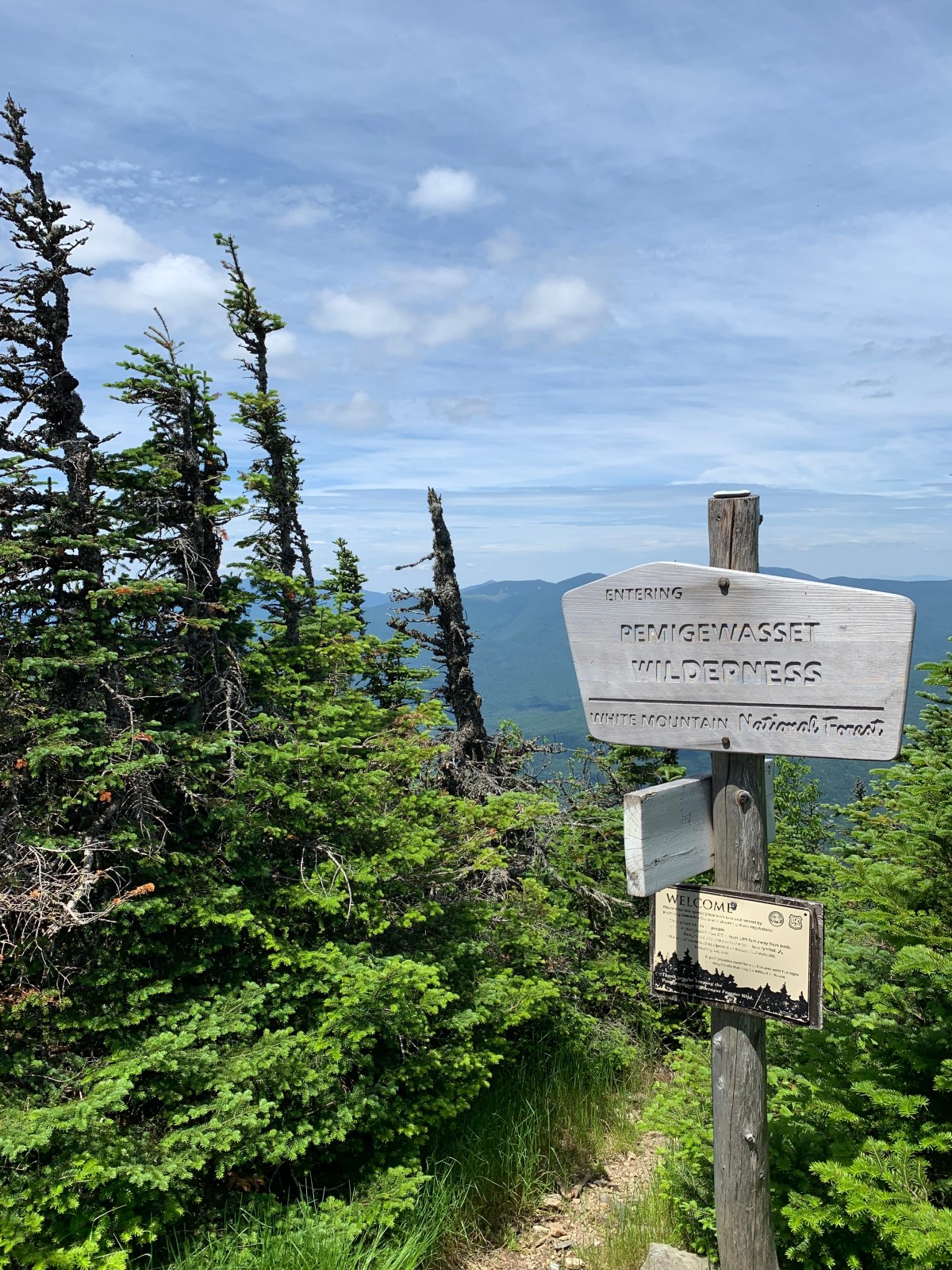
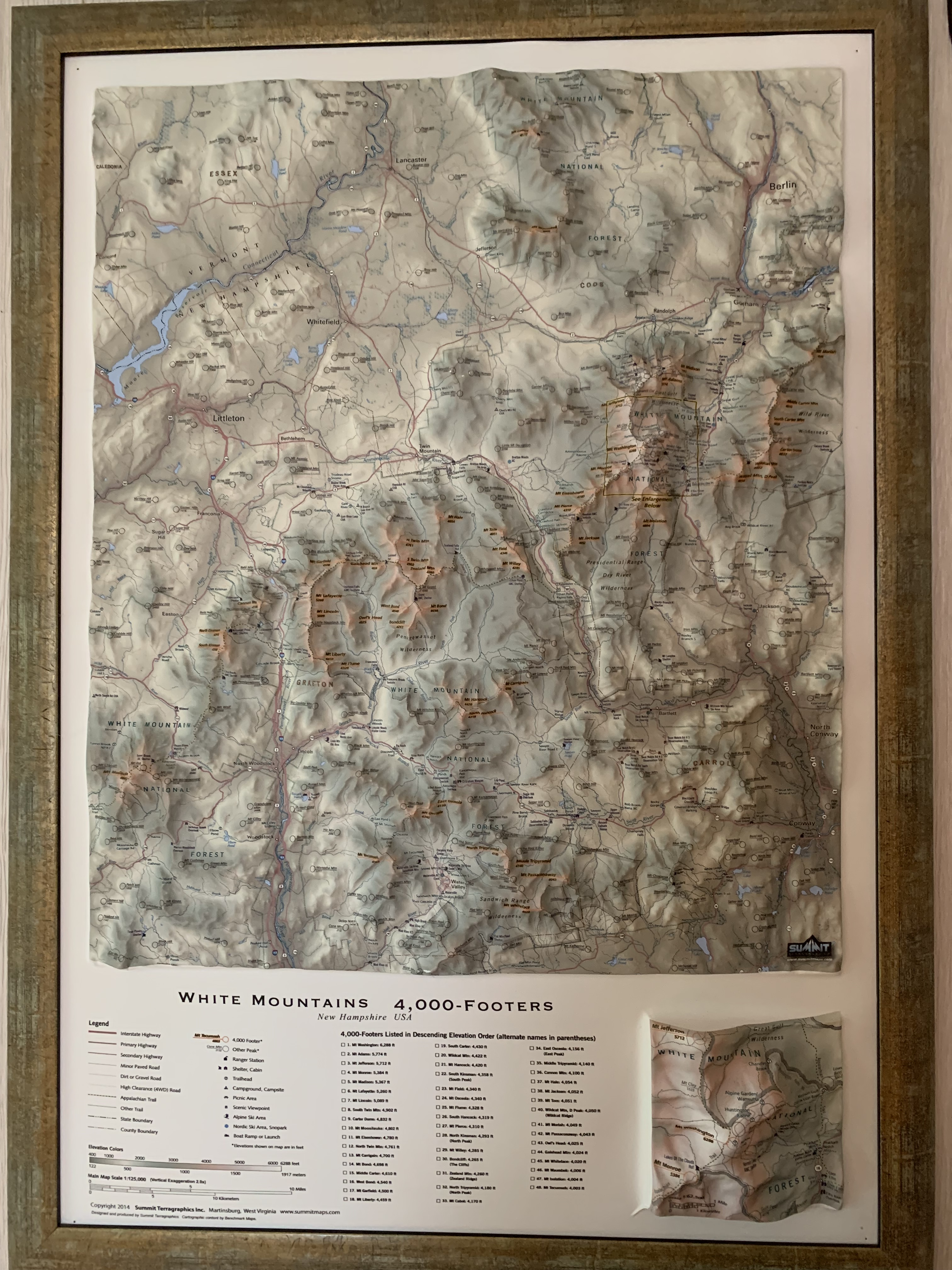
The White Mountain Direttissima is an ambitious route that seeks to connect the 48 New Hampshire 4,000′ peaks in one continuous thru-hike. Although the exact number of hikers who have completed this route is unknown, it is estimated to be few, particularly for women.

I had been toying with the idea of attempting a Direttissima for a while, and decided that this summer would be a good time to stick close to home and replace some of the older peaks I have listed on my Grid with some more recent ones for June and July.

The length of the Direttissima varies depending on how one decides to connect trailheads, ridges, and peaks; bushwhacks might shave off mileage but add difficulty, and other shortcuts – like walking under power lines, for example – could be overgrown and tangled mid-summer.

I decide to stick to established trails and roads using a route shared with me by Philip Carcia, who has completed the Direttissima five times. Philip is an all-around kind and generous human who continues to set records and establish precedents in the Whites, inspiring many to test their own limits.

As an added challenge, I decide to do the route north-to-south, finishing at the Mt. Moosilauke trailhead, then walk an additional 30 miles or so, on trail and back roads, to my front door. Over the course of the next two weeks, I would gain 80,000 feet of elevation over 285 miles. Let the fun begin.

The Meaning of Dire

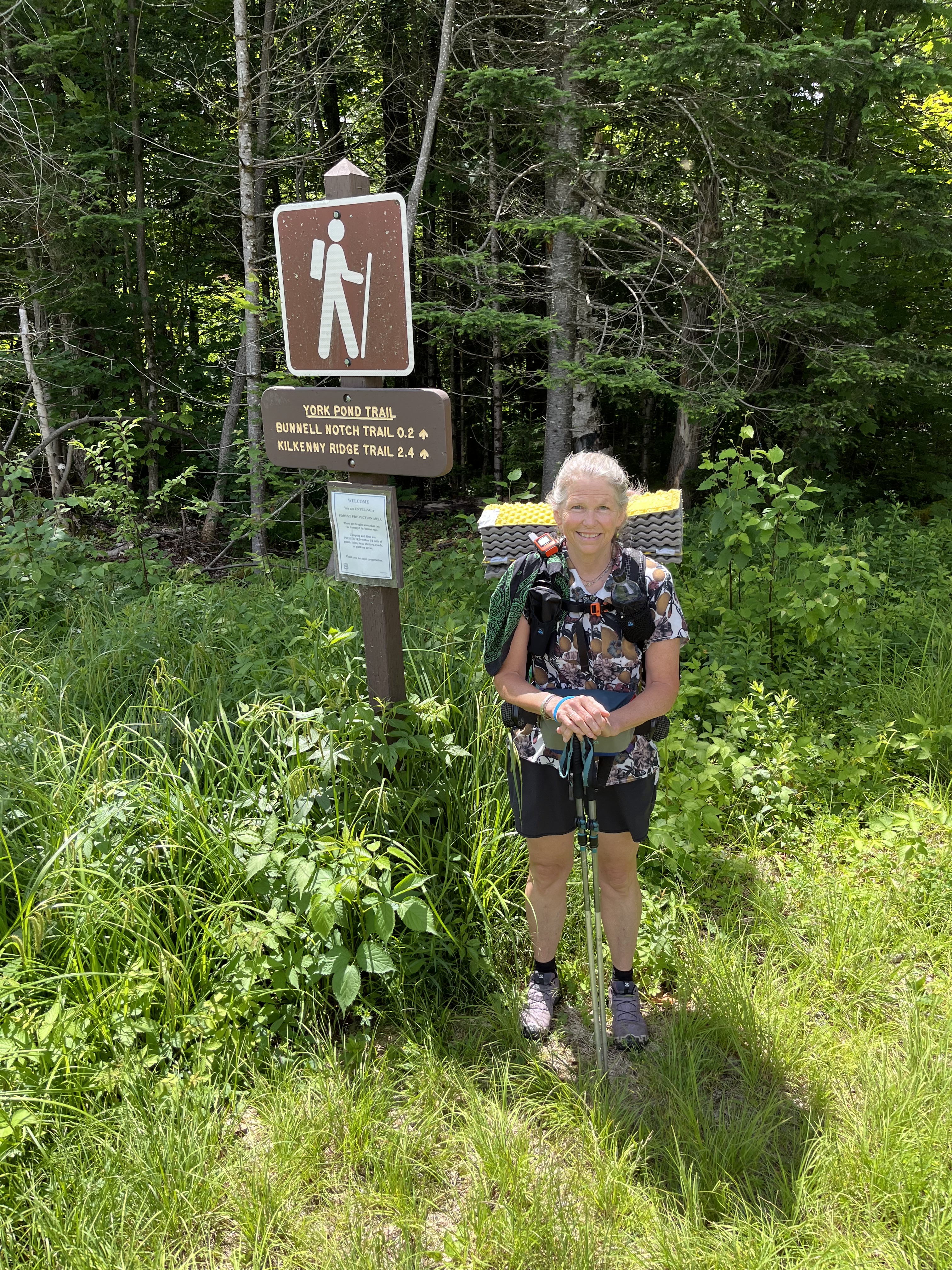
On Thursday, June 27, the youngest and I drive north to Milan, New Hampshire, where he drops me off at the York Pond Trail parking lot. It’s a few minutes before noon, already steamy, but optimism carries me away from the air-conditioned comfort of his truck and up the familiar path toward my first 4,000 footer, Mt. Cabot.

Cabot will be an out-back; that is, at the junction of Bunnell Notch and Kilkenny Ridge Trails, I need to climb 1.7 miles to the summit of Cabot, then retrace my steps back to the junction. This will be the first of many of these out-backs, and I’m grateful for Philip’s advice to drop my full pack and carry only water and a few essentials to the top.

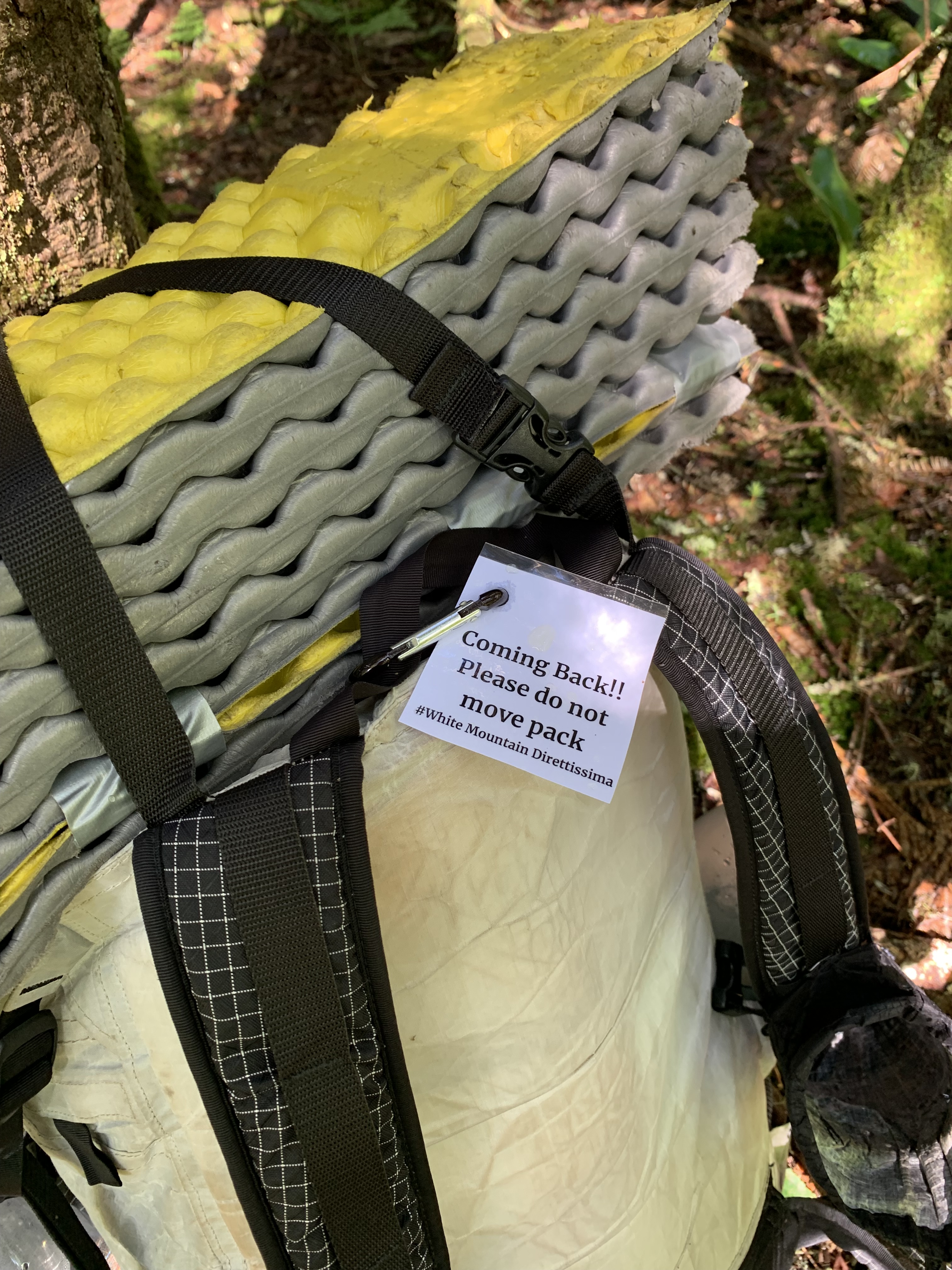
I had a little too much time on my hands in the days leading up to this endeavor and have crafted a small tag to display on my pack when I must leave it behind. The last thing I want is for someone to think a hiker is in distress when encountering my unaccompanied stuff in the woods. Plus laminators are cool.

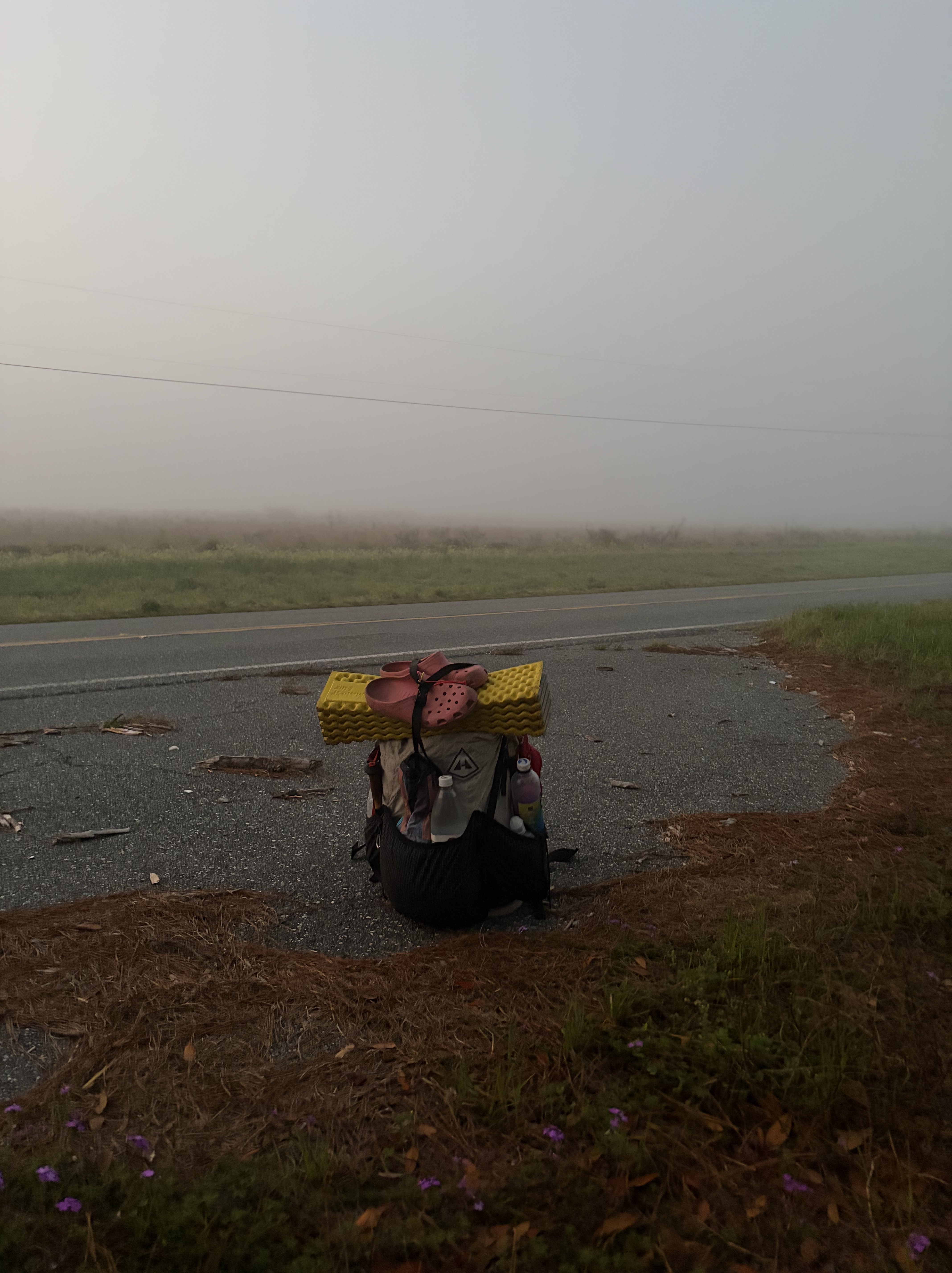
Small tag aside, my pack is ridiculously heavy. Four days of food and two and a half liters of water is a lot, but much of this route is in remote wilderness areas with few options to resupply; additionally, water sources are not always conveniently located. They say you carry your fears.

I soon touch toes to the first of many summit cairns, hustle back to the ball and chain, and head out across Kilkenny Ridge.

It soon becomes clear that I will not be making the kind of time I am accustomed to making in these mountains. The ridge is rocky, overgrown with Jurassic ferns: brutal but beautiful. It’s only the first day and the itinerary I set for myself must be scrapped. Although the translation of Direttissima is something like “most direct route,” I list the synonyms for dire in my head as I crawl along.

Dreadful. Appalling. Woeful. Grievous.

Soon it’s time for me to play the game of how-long-can-I-get-by-without-a-headlamp, discovering when I finally pull it out that the batteries are dead.

Idiot!

Didn’t check before I left, but luckily I have spares. It’s close to 9 PM when I finally find a spot to set up camp, a bare patch pitched at a crazy angle and exposed to the full brunt of the wind. But I’m too tired, too sore to complain.

Day 1 – York Pond Trailhead to .1 north of Waumbek (noonish start): 15.5 miles

Peak: Cabot

Not Quitting

I awake to frost on my tent. Wrapping myself in every stitch of clothing I have with me, I walk the .1 to Mt. Waumbek. My brain must not have been working the night before. I had the FarOut app, which would have told me the summit was just ahead, and I knew there was a larger, flatter, more protected space to camp there. Sigh.

But down below in Jefferson is a country store with a grill and hot coffee. I float along, dreaming of bacon. Unfortunately, the grill is closed for some reason, so I grab a muffin and the coffee, charge my devices, and head out on the longest road walk of the trip.

It is twelve miles to the Caps Ridge trailhead, and I shed layers as the sun rises and the pavement warms. Caps Ridge, leading up to the summit of Mt. Jefferson, is one of my favorite trails in the Whites. Both hands are feet are needed to scramble the 2.5 miles, so when I arrive at the parking lot sweating sunscreen, a nap seems like a good idea. I burrito myself in my tent to keep away the bugs.

Caps with a full pack is tricky, but up and over I go without incident and head across to Adams with the goal of eating dinner at Madison Spring Hut. After choking down a full package of instant mashed potatoes (why didn’t I split it up into more manageable portions?!), the last peak of the day is Madison, where the torture begins in earnest.

Many of the trails linking ridgelines on the Direttissima are lightly used, unpopular for a reason. The Daniel Webster Scout Trail is rocky, steep and overgrown; I cut my knee and hand, whimper, stagger, and pray in the waning light. My topo map suggests a flat that never materializes, so at 10 PM – and I’m not proud to admit this – I tent right on that rarely used trail on the only level spot I have seen in miles. Doubt creeps in: can I keep this up for another 200+ miles?

Of course, everything appears better in the morning, with coffee and perspective.

At the bottom of the trail, the next road walk takes me across to the Carter-Moriah ridgeline, another of my favorites. What I haven’t remembered is the cliff that must be scaled to ascend North Carter, every turn in the trail revealing another pitch. It starts to rain, then pour, then lightning and thunder.

My hands are so cold that I worry if I keep going to my goal for the day – somewhere close to Wildcat – I won’t have the dexterity to pitch my tent. Like a miracle, a tent site appears just north of South Carter, and I bail out at 5:00 like a beaten dog.

My weather app predicts “tornadic activity” and triple digit winds across the way on Washington; even in my protected col, the fabric above my head whips and snaps all night. I’m soaked, miserable, deep in despair.

Do I call the youngest? Hike out, have him come pick me up tomorrow? Is quitting even an option?

Morning optimism again wins the day. Everything wet gets stuffed willy-nilly into my pack, and I set a goal to reach the AMC Pinkham Notch Lodge, where drying out and perhaps even a room are an option.

When I arrive, after cruising down the Wildcat D ski slope, I decide to be kind to myself. The room is overpriced, the included dinner barely edible, but dry gear and a night in a bed have set me up to tackle remote Isolation and behemoth Washington the next day.

In 24 hours, I have gone from thinking I’ll die of exposure to sleeping safe in crisp sheets. Such is the unpredictability of this route.

Day 2 – .1 north of Waumbek to 2.7 north of Dolly Copp Campground: 23.5 miles

Peaks: Waumbek, Jefferson, Adams, Madison

Day 3 – 2.7 north of Dolly Copp to .3 north of South Carter: 15.3 miles

Peaks: Moriah, Middle Carter

Day 4 – .3 north of S. Carter to Joe Dodge Lodge: 10.5 miles

Peaks: South Carter, Carter Dome, Wildcat, Wildcat D

It Doesn’t Get Easier

I have seriously underestimated the difficulty of this pursuit.

However, having decided to sally on, I simply need to find ways to overcome the hard. Sunrise. Most of the next two days will be on familiar, well-trodden trails. The presidentials boast epic views. There’s a snack bar on top of Mt. Washington.

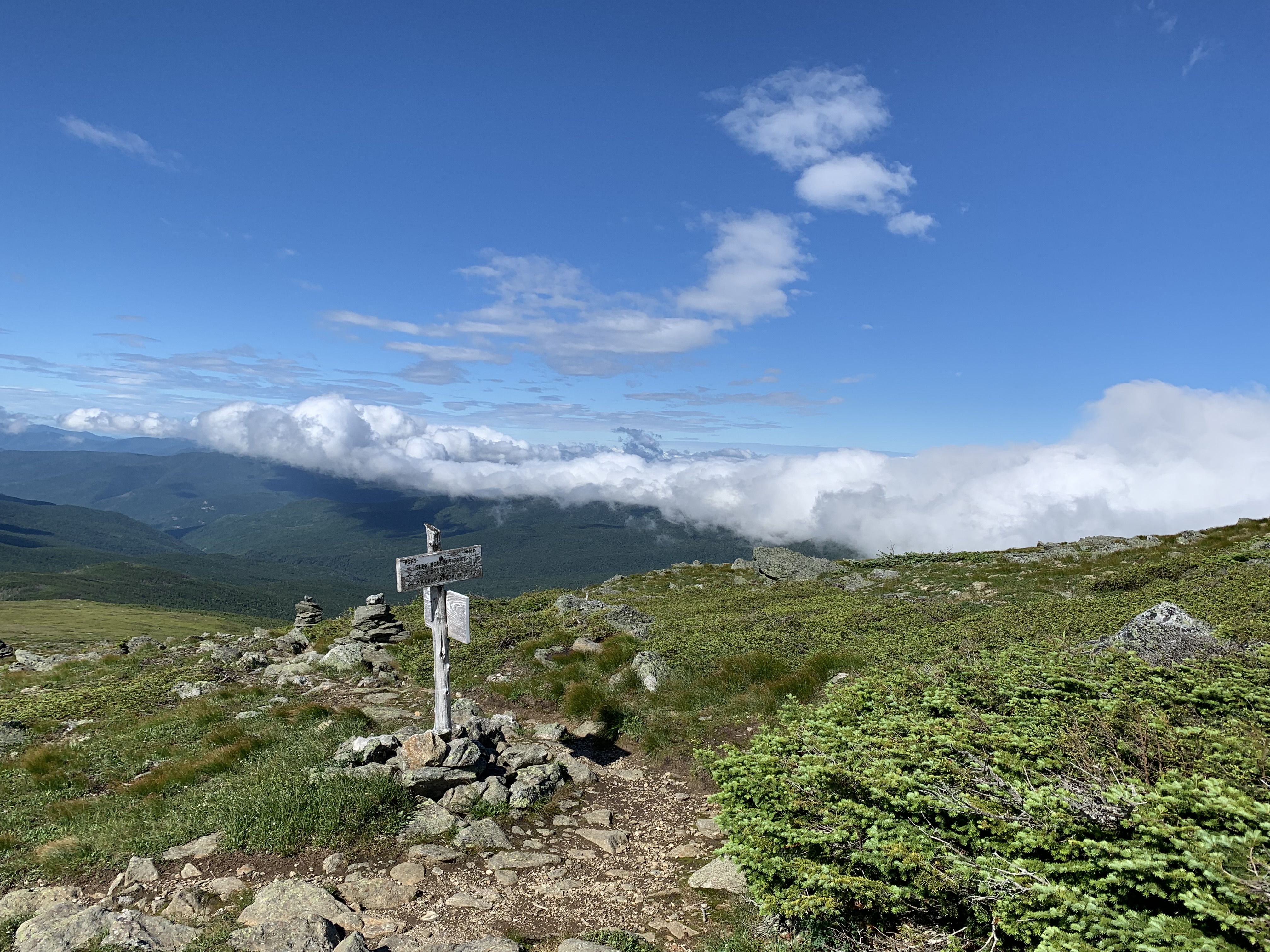
Aptly-named Isolation via the beautiful Glen Boulder Trail (yes, there are rocks so noteworthy in these mountains that they have been given names) is the first peak of the day, another glorious out-back.

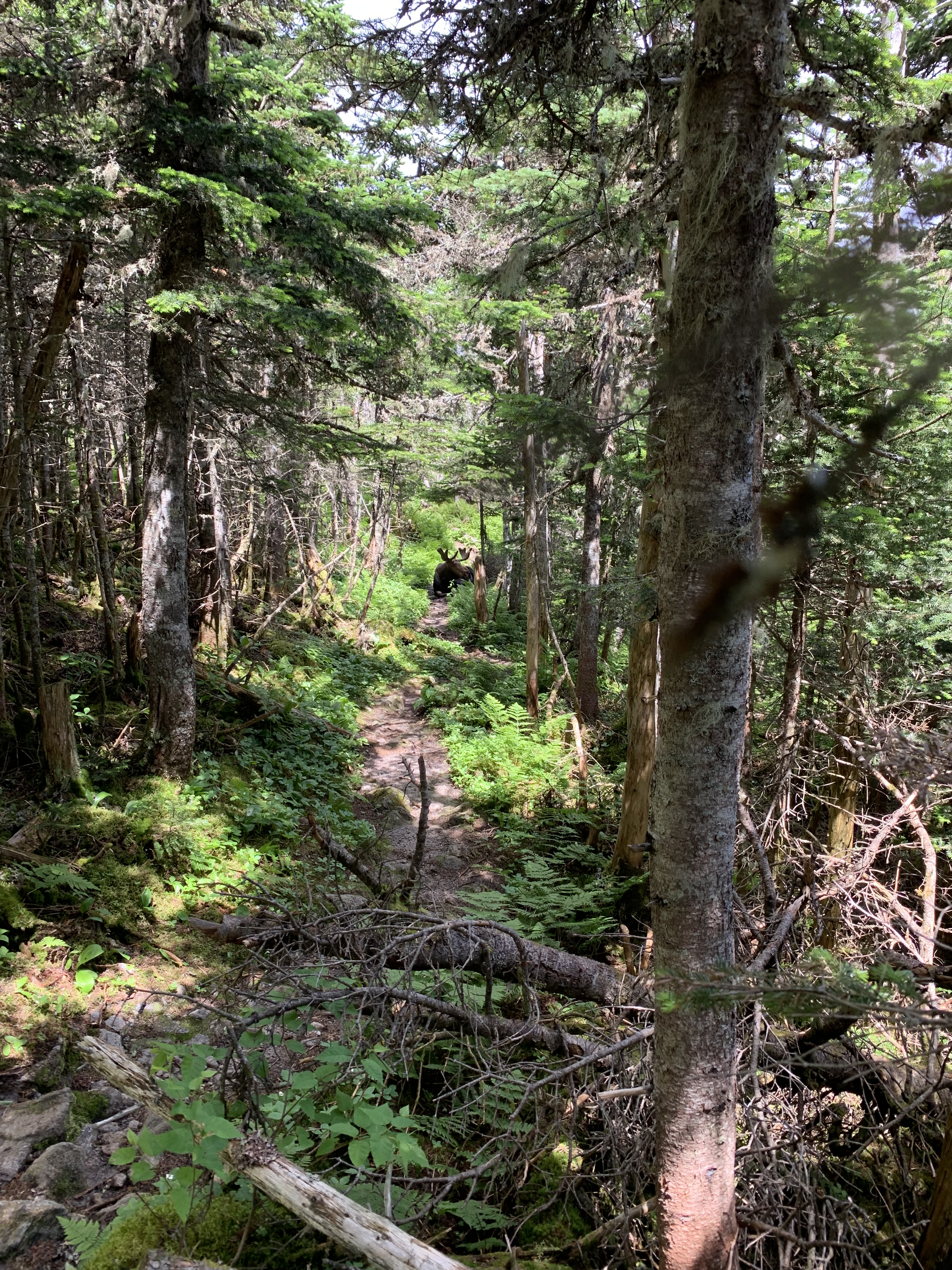
On the “back,” I turn a corner to a moose galumphing up the trail. He plops down yards ahead of me for what appears to be his afternoon siesta.

Yikes.

In all my years of hiking, I’ve never seen a moose on trail; I take it as a good omen as I bushwhack around him and head up to Washington.

It takes me an hour to ascend the final .6 up Tuckerman Ravine Trail, others suffering all around. The novelty of chili and chips, writing and mailing a postcard, and the crowds fortify me for the miles ahead, across Monroe, Eisenhower, and Pierce.

A flat rocky space appears north of Mizpah Hut, just the right size for my cozy tent, and I’m rewarded with some big sky as night falls.

Day 5 – Joe Dodge Lodge to .3 north of Mizpah Spring Hut: 18.6 miles

Peaks: Isolation, Washington, Monroe, Eisenhower, Pierce

Eat the Heavy Things First

My first resupply is a box I mailed to myself care of the AMC Highland Center. After hitting Jackson early, I head down across the road.

When the package is handed to me, I can’t believe its weight. Tearing it open, I discover I had vastly overestimated the types of food I would want to be carrying at this point. There’s packets of coconut daal, peanut Thai sauce, and even a full jar of almond butter. I spend the bulk of the day – over Tom, Willey and Field – eating all the heavy things.

Another rustic connector leads me over to Zealand Falls Hut, where I drop my pack at 5:15 and set out to check off Hale. It’s beginning to cool, and it feels like flying not to be saddled with that full food bag. When I return, I ask the Croo at the hut if they have any leftovers and am rewarded with turkey, rice, and fresh tomato soup. AT hikers glide by my tent later that night, and I’m bolstered by their enthusiasm.

Carrigain is on my radar for the next day.

The ridiculously flat Ethan Pond Trail gives way to more wilderness as I head over to the back side of Carrigain.

I’ve climbed this way once before, and the memories come flooding back of steep after steep after steep. When the fire tower finally appears, I’m toast.

Faced with the choice of bugs in the shade or wind in the sun, I choose wind, eat almond butter by the spoonful, rest up before the final push down, down, down to the Kancamagus on dirt roads and isolated paths.

The last challenge of the day is a thigh-deep ford of the Swift River. The cold water soothes my sore muscles and feet, cleans my muddy arms and legs. I go to bed feeling renewed, despite only having ticked off one peak the entire day.

It’s taken me much longer than I had hoped to get to my soft place in the pines, but the next day is the Fourth of July, and if I walk fast enough, I could be in Waterville Valley by dinner.

Day 6 – .3 north of Mizpah Spring Hut to .4 north of Zealand Falls Hut: 21.6 miles

Peaks: Jackson, Tom, Field, Willey, Hale

Day 7 – .4 north of Zealand Falls Hut to .2 south of Oliverian Brook trailhead: 22.9 miles

Peak: Carrigain